
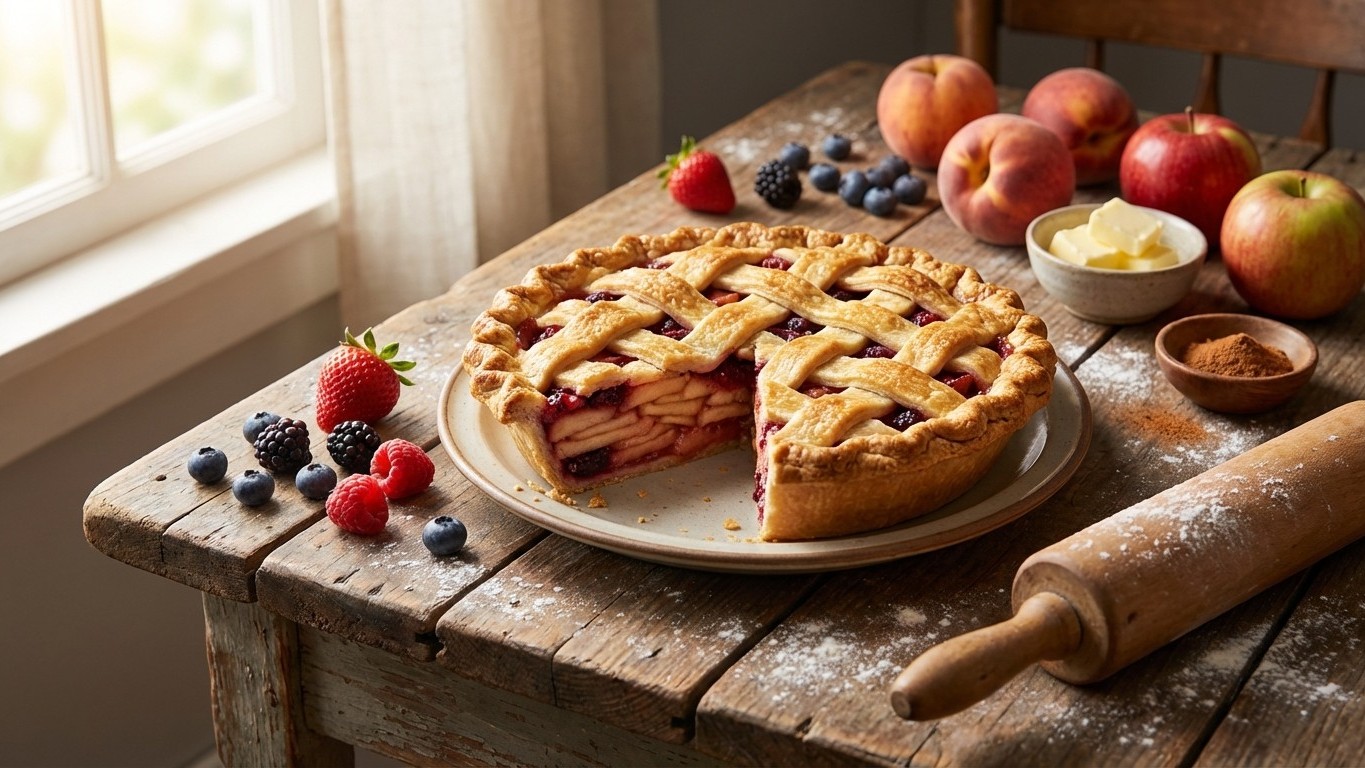
For years, I dutifully followed every pie recipe to the letter, meticulously blind baking crusts with ceramic weights, pricking holes with surgical precision, and crossing my fingers that I wouldn’t end up with a soggy, disappointing bottom. The process felt like an elaborate ritual with no guarantee of success, and frankly, I was getting tired of the extra steps that didn’t always deliver the promised results.
Then everything changed when a seasoned pastry chef shared a technique that completely revolutionized my approach to pie making. Instead of blind baking, she taught me to create what’s essentially a moisture barrier using a simple ingredient I already had in my pantry: cornstarch. This method not only eliminates the need for pre-baking but actually creates a more flavorful, perfectly textured crust every single time.
The Science Behind the Magic
The secret lies in understanding why pie crusts become soggy in the first place. When fruit fillings release their juices during baking, that moisture seeps into the unbaked dough, creating the dreaded soggy bottom that haunts home bakers everywhere. Traditional blind baking attempts to solve this by creating a pre-cooked barrier, but it often results in over-baked edges and a disconnected texture between the crust and filling.
The cornstarch technique works differently. By mixing a small amount of cornstarch directly into your pie dough during the initial preparation, you’re essentially building tiny moisture absorbers throughout the entire crust structure. As the pie bakes, these cornstarch particles activate and absorb excess liquid while simultaneously helping the dough maintain its structural integrity. The result is a crust that bakes evenly with the filling, creating perfect harmony between all elements of your pie.
What makes this method particularly brilliant is its simplicity. You’re not adding a separate step or complicated timing considerations. Instead, you’re enhancing the dough itself to be naturally resistant to moisture while maintaining all the flaky, buttery characteristics you want in a perfect pie crust.
Transforming Your Technique
Implementing this game-changing approach requires only a minor adjustment to your existing pie-making routine. When preparing your dough, simply incorporate one to two tablespoons of cornstarch per cup of flour directly into your dry ingredients before adding any fat or liquid. The cornstarch blends seamlessly with the flour, creating an enhanced base that performs beautifully under pressure.
The beauty of this method extends beyond just preventing soggy bottoms. The cornstarch Actually-works”>actually helps create a more tender, delicate crumb while maintaining structural strength. Your crust will have that perfect balance of flakiness and stability that makes each bite a pleasure rather than a structural challenge. Additionally, the technique works equally well with fruit pies, custard pies, and even savory quiches.
Temperature control becomes much more forgiving with this approach. Since you’re not worrying about pre-baking timing or whether your crust is sufficiently cooked before adding filling, you can focus on achieving that golden perfection that comes from baking everything together as intended. The cornstarch ensures that even if your filling releases more liquid than expected, your crust remains perfectly crisp and flavorful.
Beyond Traditional Expectations
This technique opens up exciting possibilities that extend far beyond basic soggy-bottom prevention. Because your crust is naturally equipped to handle moisture, you can experiment with juicier fruits, add extra layers of flavor to your fillings, and even try techniques like adding Fresh Herbs or citrus zest directly to wet fillings without fear of compromising your crust integrity.
The method also proves invaluable for seasonal baking when fruit moisture content varies significantly. Summer stone fruits and berries, which can be particularly juicy, become manageable ingredients rather than potential crust destroyers. You’ll find yourself reaching for those perfectly ripe, incredibly flavorful fruits that might have seemed too risky before.
Perhaps most importantly, this approach restores confidence and joy to pie making. Without the anxiety of blind baking timing and the disappointment of occasional failures, you’ll find yourself making pies more frequently and with greater creativity. The process becomes intuitive rather than technical, allowing you to focus on flavor combinations and presentation rather than worrying about structural engineering.
A New Chapter in Baking
Since adopting this technique, my relationship with pie making has completely transformed. What once felt like a high-stakes endeavor requiring perfect timing and technique now feels natural and enjoyable. Friends and family consistently comment on the superior texture and flavor of my pies, never suspecting that the secret lies in such a simple modification.
The confidence this method provides extends to other baking adventures as well. Understanding how moisture behaves in baked goods and having reliable techniques to manage it opens doors to experimentation and creativity that were previously intimidating. Your kitchen adventures become more intuitive, and your results become more consistently excellent.
Next time you’re planning a pie, skip the blind baking stress and try this cornstarch technique instead. Your future self will thank you for discovering a method that delivers superior results with significantly less effort, proving that sometimes the best solutions are hiding in the simplest approaches.