
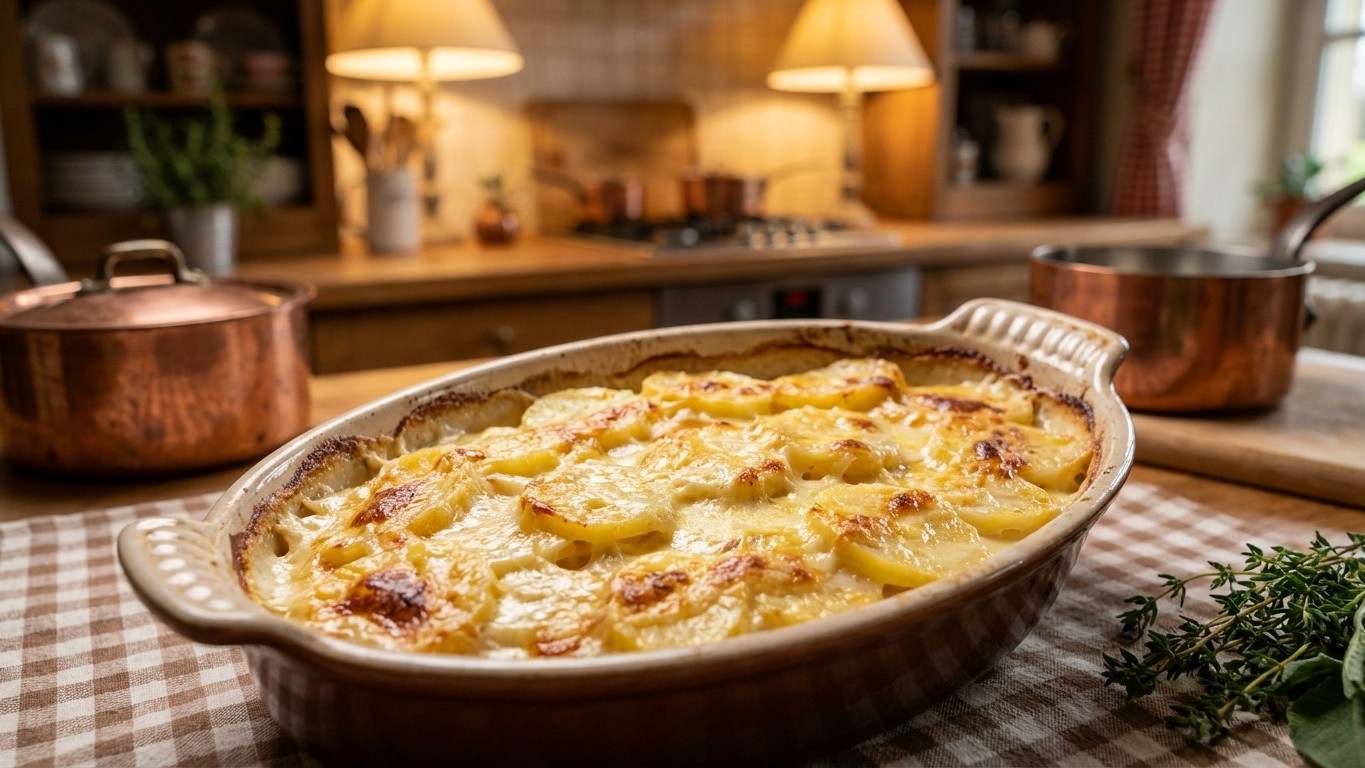
The disappointment is almost universal: you’ve spent an hour lovingly layering thinly sliced potatoes, poured what you Thought-it-was-so-outdated-these-three-90s-accessories-are-making-a-major-comeback-in-every-outfit”>Thought-i-was-drinking-enough-water-hidden-body-signs-almost-no-one-links-to-dehydration”>Thought was Enough cream, and waited patiently for that golden top to emerge From the oven. Yet when you dig in, instead of those silky, melting layers you dreamed of, you’re met with dry, chalky potatoes swimming in a puddle of separated cream. The culprit? A fundamental misunderstanding of the sacred cream-to-potato ratio that transforms ordinary spuds into the most luxurious side dish in French cuisine.
The Secret lies in understanding that gratin dauphinois isn’t just about dumping cream over potatoes and hoping for the best. It’s a delicate dance of starch, fat, and heat that requires precision. Professional chefs have long sworn by a specific ratio that ensures every forkful delivers that signature creamy texture: for Every two pounds of potatoes, you need exactly one and three-quarter cups of heavy cream mixed with one-quarter cup of whole milk. This seemingly arbitrary combination creates the perfect balance Between richness and fluidity, allowing the cream to penetrate every layer while the potato starch gradually thickens the mixture into silky perfection.
The Science Behind Creamy Perfection
Understanding why this ratio works transforms you from a hopeful cook into a confident gratin master. When potatoes are sliced thin and layered with cream, they release starch as they cook. This starch acts as a natural thickener, but only when there’s enough liquid to activate it properly. Too little cream, and you get dry patches; too much, and the starch can’t do its job, leaving you with a soupy mess. The addition of milk to heavy cream creates the ideal fat content – rich enough for indulgence, but not so heavy that it won’t integrate with the potato starch.
The temperature factor is equally crucial. Your oven Should-have-checked-before-buying-my-humidifier”>Should be set to exactly 375°F, hot enough to cook the potatoes through but gentle enough to prevent the cream from breaking or scorching. Many home cooks make the Mistake-has-been-ruining-your-french-onion-soup-forever”>Mistake of cranking up the heat to speed the process, but patience is your greatest ally here. The slow, steady heat allows the cream to gradually warm and meld with the potatoes, creating those coveted tender layers that practically dissolve on your tongue.
Mastering the Technique for Consistent Results
Beyond the magical ratio, technique separates good gratins from transcendent ones. Start with the right potatoes – waxy varieties like Yukon Gold or fingerlings hold their shape better than russets, which can become gluey. Slice them uniformly, about one-eighth inch thick, using a mandoline if you have one. Consistency in thickness ensures even cooking and that perfect fork-tender texture throughout.
The layering process deserves reverence. Arrange your potato slices in overlapping shingles, seasoning every few layers with salt, white pepper, and just a whisper of nutmeg. Don’t be tempted to add garlic directly to the cream – instead, rub your baking dish with a cut clove before adding the potatoes. This imparts a subtle aromatic backdrop without overwhelming the delicate potato-cream harmony.
When you pour the cream mixture, it should just barely cover the top layer of potatoes. If you can see cream pooling around the edges, you’ve been too generous. Remember, the potatoes will settle slightly as they cook, and the cream will redistribute. Trust the ratio, even when your instincts scream to add more liquid.
Troubleshooting Common Gratin Disasters
Even with the perfect ratio, things can go awry. If your cream seems to be separating or curdling, it’s likely too hot too fast. Lower your oven temperature by 25 degrees and extend the cooking time. The gentle approach almost Always wins with dairy-based dishes.
For those dealing with a watery gratin, the problem usually stems from not allowing enough resting time after cooking. A proper gratin needs at least fifteen Minutes-daily-since-age-50-what-her-cardiologist-discovered-after-one-year”>Minutes to set after leaving the oven. During this time, the residual heat continues cooking while the starches finish their thickening magic. It’s tempting to dig in immediately, but patience rewards you with clean, defined layers instead of a molten mess.
If your top isn’t achieving that gorgeous golden color, a brief stint Under the broiler works wonders. Just watch carefully – the line between perfect and burnt happens in Seconds. For extra insurance against a pale top, some chefs add a light dusting of grated Gruyère in the final ten minutes of baking, though purists argue this technically makes it a gratin Savoyard rather than a true dauphinois.
Elevating Your Gratin Game
Once you’ve mastered the basic ratio and technique, subtle variations can Elevate your gratin from impressive to unforgettable. Infusing your cream with fresh thyme or bay leaves adds aromatic complexity without competing with the potato’s earthiness. Some chefs swear by adding a tablespoon of crème fraîche to the cream mixture for extra tang and richness.
The beauty of perfecting this ratio lies in its reliability. Whether you’re cooking for a quiet dinner at home or preparing the centerpiece for a holiday feast, you’ll approach the oven with confidence, knowing that inside, layers of potato and cream are transforming into something greater than the sum of their parts. That first bite – silky, rich, and impossibly comforting – will remind you why mastering this classic is worth every minute spent perfecting the technique.