
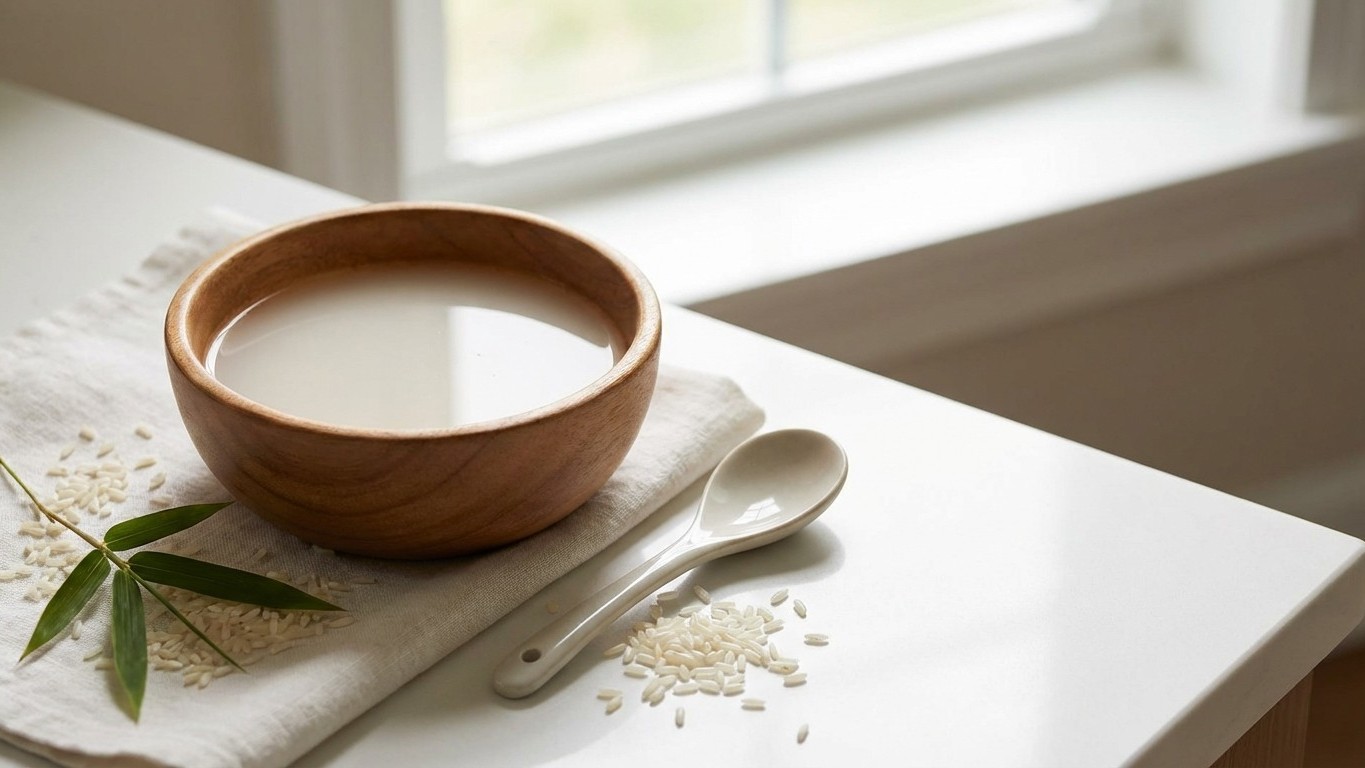
While Western beauty enthusiasts shell out hundreds on Winter-coats-wrong-for-years-this-Japanese-method-doubles-your-storage-in-a-narrow-hallway”>Japanese-folding-method-frees-up-closet-space-a”>Winter skincare serums and treatments, Korean women have quietly been achieving that coveted glass skin effect with something That’s probably sitting in your pantry right now: rice water. This humble kitchen staple has become the cornerstone of Korean skincare routines, particularly during harsh winter months when skin needs extra nourishment and protection.
The secret lies in rice water’s unique composition of amino acids, vitamins, and minerals that work synergistically to restore skin’s natural barrier function. When temperatures drop and indoor heating systems strip moisture From the air, Korean women turn to this time-tested remedy that their grandmothers have been using for generations. The practice isn’t just folklore – it’s rooted in genuine biochemical benefits that modern dermatology is only now beginning to fully understand.
The Science Behind Rice Water’s Winter Skin Benefits
Rice water contains a powerhouse of skin-loving compounds that make it particularly effective during winter months. The starch content acts as a natural emollient, creating a protective film on the skin’s surface that prevents moisture loss – Crucial when cold winds and dry indoor air are constantly working against Your Skin’s hydration levels. Meanwhile, the B vitamins present in rice water help accelerate cell turnover, ensuring that dead skin cells don’t accumulate and create that dull, flaky appearance so common in winter.
What sets rice water apart from commercial winter skincare products is its gentle pH level, which closely matches that of Morning-mistake”>Healthy skin. This means it won’t disrupt your skin’s natural acid mantle, unlike many harsh winter cleansers and treatments that can leave skin vulnerable to environmental damage. Korean dermatologists have noted that regular rice water users tend to maintain more stable skin barrier function throughout the winter months, experiencing less irritation and fewer breakouts despite the seasonal challenges.
The amino acids in rice water – particularly allantoin – possess remarkable healing properties that help repair winter skin damage before it becomes visible. These compounds work at the cellular level to promote healthy skin regeneration, which is why Korean women who use rice water consistently report fewer fine lines and a more even skin tone, even after harsh winter weather exposure.
Traditional Korean Methods Meet Modern Winter Needs
Korean women have refined rice water application techniques over centuries, creating methods that address specific winter skin concerns. The most popular approach involves creating a concentrated rice water essence by soaking uncooked rice in distilled water for several hours, then straining and refrigerating the liquid. This creates a potent treatment that can be applied as a toner, used in sheet mask preparations, or incorporated into gentle cleansing routines.
During winter months, many Korean women modify their rice water preparation to include additional nourishing elements. Some add a small amount of honey to enhance the moisturizing properties, while others incorporate green tea for its antioxidant benefits. The key is maintaining the rice water as the primary ingredient while customizing the blend to address individual winter skin challenges, whether that’s excessive dryness, sensitivity, or dullness.
The application timing is equally important in Korean skincare philosophy. Rice water treatments are typically applied to slightly damp skin, which helps lock in moisture more effectively. Many Korean women use rice water as both their morning and evening toner during winter, following up with lightweight moisturizers that won’t interfere with the rice water’s natural protective barrier formation.
Integrating Rice Water into Your Winter Skincare Routine
Incorporating rice water into a Western winter skincare routine requires understanding how it interacts with other products. Korean skincare experts recommend introducing rice water gradually, starting with once-daily use and observing how your skin responds. The beauty of this approach is its simplicity – rice water works well with most existing skincare products and doesn’t require expensive equipment or complicated preparation methods.
The most effective winter application involves using rice water immediately after cleansing, when skin is clean but still slightly damp. This timing allows the amino acids and vitamins to penetrate more deeply while the moisture-retaining properties begin working immediately. Follow with your regular serum and moisturizer routine, but many users find they need less heavy cream when rice water is properly maintaining their skin’s hydration levels.
For those dealing with particularly harsh winter conditions, Korean women often create rice water ice cubes, using them as a gentle morning treatment that reduces puffiness while delivering concentrated nutrients. This method is especially popular among working women in Seoul, who appreciate the efficiency and effectiveness of this multi-benefit approach.
Beyond the Hype: Realistic Expectations and Long-term Benefits
While rice water isn’t a miracle cure, its consistent use throughout winter months can create remarkable improvements in skin texture, hydration, and overall resilience. Korean women emphasize patience and consistency over dramatic quick fixes – they view rice water as a foundational element that supports overall skin health rather than a treatment that produces overnight transformations.
The most significant benefits become apparent after several weeks of regular use, when the skin’s natural barrier function has had time to strengthen and repair itself. Users typically report improved skin texture first, followed by enhanced radiance and fewer winter-related skin issues like flaking, redness, and sensitivity. The cumulative effect is skin that appears healthier and more resilient, even in challenging winter conditions.
What makes rice water particularly appealing for winter skincare is its sustainability and accessibility. Unlike expensive treatments that require constant repurchasing, rice water can be prepared fresh as needed using ingredients that most households already have on hand. This approach aligns with the Korean beauty philosophy of consistent, gentle care rather than aggressive treatments that might compromise skin health during vulnerable winter months.