
The moment you realize you’ve been Making-my-bed-was-healthy-until-allergists-revealed-this-morning-mistake”>Making-a-major-comeback-in-every-outfit”>Making French onion soup wrong for years feels like a culinary betrayal. After countless bowls that tasted flat, watery, or simply disappointing, the Truth hits hard: that Golden, caramelized perfection you’ve been chasing has been within reach all along. The Mistake isn’t kitchen-powder-does-the-job-in-your-cabinets”>in Your recipe or your ingredients—it’s in your patience, or rather, your lack of it.
The Rush That Ruins Everything
Most home cooks sabotage their French onion soup Before they even add the first ladle of broth. The fatal error happens right at the beginning, during what Should-have-checked-before-buying-my-humidifier”>Should be the most meditative part of the process: caramelizing the onions. In our fast-paced world, we’ve been conditioned to hurry through cooking steps, but French onion soup demands something revolutionary in modern kitchens—time and gentle heat.
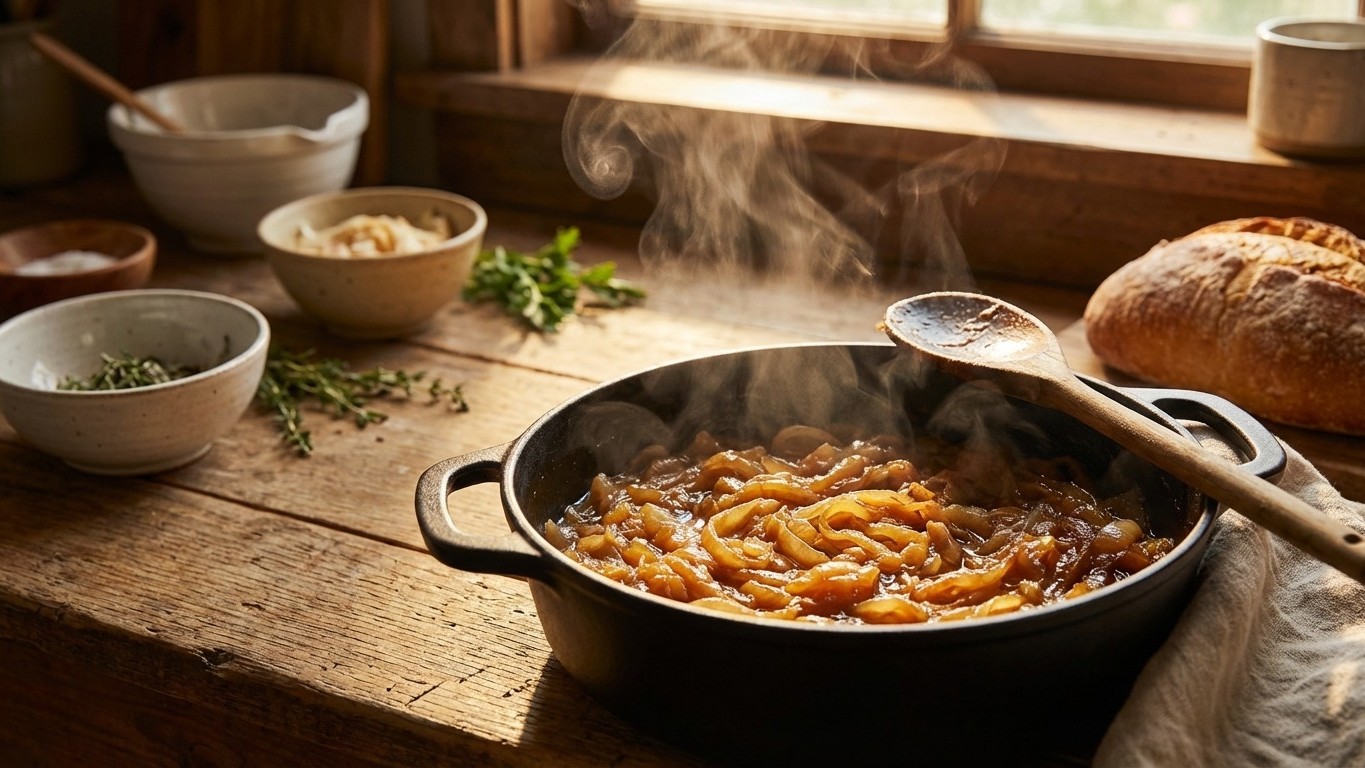
True caramelization isn’t the quick browning that Happens in ten or fifteen Minutes over medium-high heat. That’s merely cooking onions until they’re soft and slightly golden. Real caramelization is a slow dance that takes anywhere from 45 minutes to over an hour, depending on the quantity of onions and your patience level. During this extended cooking time, the natural sugars in the onions break down and transform, creating those deep amber notes and complex sweetness that make French onion soup legendary.
When you rush this process, you’re essentially creating onion water with a bread and cheese topping. The onions remain one-dimensional, lacking the rich, almost wine-like depth that proper caramelization provides. Every chef who has mastered this soup will tell you the Same thing: the onions are ready when they’ve darkened to a deep mahogany color and taste almost jammy in texture.
The Science Behind the Magic
Understanding what happens during proper caramelization changes how you approach this dish entirely. As onions cook slowly over low to medium-low heat, their cell walls break down gradually, releasing moisture and natural sugars. The Maillard reaction—the same process that gives seared steaks their complex flavor—begins to work its magic, creating hundreds of new flavor compounds that simply don’t develop with quick cooking methods.
This biochemical transformation explains why properly made French onion soup has layers of flavor that seem to unfold with each spoonful. The onions develop notes reminiscent of balsamic vinegar, roasted nuts, and even subtle coffee undertones. These complex flavors then meld with the beef broth to create that soul-warming depth that makes People close their eyes and sigh with satisfaction.
Temperature control becomes crucial during this process. If your heat is too high, the onions will brown on the outside while remaining raw on the inside, creating bitter spots that will haunt your finished soup. If the heat is too low, the onions will steam in their own juices without developing any color at all. The sweet spot is that gentle sizzle that allows moisture to evaporate while encouraging the sugars to slowly transform.
Mastering the Technique That Finally-understood-about-cleansing”>Finally-figured-out-why-my-eyebrows-never-looked-right-this-simple-rule-changes-everything”>changes everything
The revelation that transforms your French onion soup begins with slicing your onions uniformly—not paper thin, but in consistent half-moon slices about a quarter-inch thick. This ensures even cooking and prevents some pieces from burning while others remain undercooked. Start with a generous amount of butter and a splash of neutral oil to prevent burning, then add your onions with a good pinch of salt to help draw out moisture.
Here’s where patience becomes your greatest ingredient: resist every instinct to turn up the heat when progress seems slow. Instead, stir occasionally—every five to ten minutes—allowing the onions to develop color gradually. You’ll notice them going through distinct phases: first they’ll soften and become translucent, then they’ll start to take on a pale golden color, and Finally, after what feels like an eternity, they’ll deepen to that coveted dark amber shade.
During the final stages of caramelization, you can add a splash of dry white wine or a touch of balsamic vinegar to deglaze the pan and add another layer of complexity. This step also helps prevent any stuck bits from burning and incorporates those concentrated flavors back into your onions.
The Transformation That Makes It All Worth It
Once you’ve mastered proper caramelization, the rest of your French onion soup almost makes itself. Those perfectly caramelized onions become the foundation for a broth that tastes like it’s been simmering for hours, even when you’ve only added it moments before. The difference is so profound that you’ll wonder how you ever accepted those previous, hastily made versions.
The properly developed onions also hold their texture beautifully throughout the soup-making process, maintaining their jammy consistency while infusing every drop of broth with their concentrated flavor. When you finally ladle the soup into oven-safe bowls, top with crusty bread and cheese, and slide them Under the broiler, you’re not just melting cheese—you’re creating the crowning moment for a dish that has been built on patience and proper technique.
This revelation extends beyond just French onion soup. Once you understand the power of properly caramelized onions, you’ll find yourself applying this technique to everything from pasta sauces to pizza toppings. The investment in time pays dividends in flavor that simply cannot be rushed or faked. Your French onion soup will never be the same—and neither will your confidence in the Kitchen-gold”>Kitchen-staple-you-usually-throw-away-can-unclog-your-pipes-in-no-time”>kitchen.