
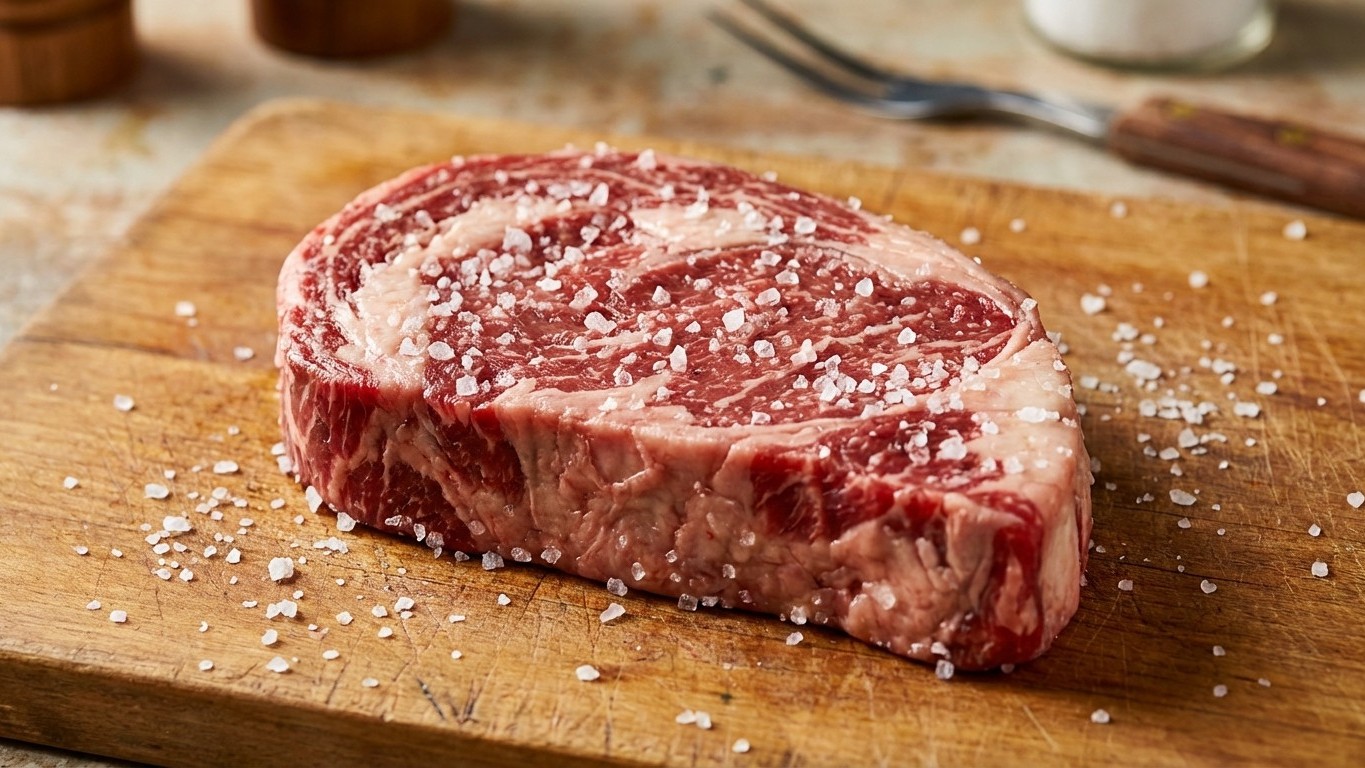
For years, I thought I had beef tenderizing figured out. Like most home cooks, I relied on marinades, meat mallets, and commercial tenderizers, accepting mediocre results as the price of cooking at home. Then I discovered a technique so simple, so brilliantly effective, that it completely transformed how I approach tougher cuts of beef. This isn’t another Kitchen-item-is-actually-a-game-changer-for-tenderizing-red-meat-Without-any-chemicals”>kitchen gadget or fancy ingredient—it’s an old-school Method-frees-up-closet-space-a”>Method that our grandmothers knew by heart.
The revelation came during a conversation with a butcher whose family had been in the business for three generations. He watched me examine a beautiful but notoriously tough cut of chuck roast and casually mentioned something that stopped-rolling-my-sleeves-the-usual-way-after-discovering-this-stylist-trick”>stopped-wearing-my-coat-open-until-a-stylist-showed-me-this-belt-trick”>stopped-buying-barrel-jeans-this-2026-denim-Finally-flatters-my-straight-figure”>Stopped-buying-thrift-clothes-until-a-seamstress-showed-me-this-hidden-seam-trick”>stopped-plucking-my-eyebrows-the-usual-way-this-shape-trick-finally-flatters-my-face”>stopped-using-abrasive-cleaners-on-my-sink-this-simple-trick-restores-stainless-steel-shine”>Stopped-buying-lash-serums-after-discovering-this-5-oil-that-actually-works”>stopped-throwing-away-my-wilted-herbs-after-learning-this-ice-cube-tray-trick”>stopped me in my tracks: “You know, the best tenderizer isn’t What You add—it’s what you take away.” He was talking about salt, but not in the way I expected.
The Salt Draw Method that changes everything
This traditional technique, sometimes called dry brining or salt drawing, works on a principle that modern cooking has largely forgotten. Instead of trying to break down tough muscle fibers through force or chemicals, you’re working with the meat’s natural structure to achieve incredible tenderness. The process is deceptively simple: generously salt your beef and let time do the heavy lifting.
here’s What happens on a cellular level that makes this method so effective. When salt meets the surface of raw beef, it initially draws out moisture through osmosis. This might seem counterintuitive—aren’t we trying to keep meat juicy? But patience reveals the magic. After about 40 minutes, something remarkable occurs. The salt begins to dissolve into the extracted juices, creating a concentrated brine that the meat then reabsorbs. This brine penetrates deep into the muscle fibers, breaking down proteins and creating pathways for incredible tenderness.
The timing varies depending on the thickness and type of cut you’re working with. A thin steak might only need 45 minutes to an hour, while a thick roast can benefit from anywhere from 4 to 24 hours in the refrigerator. The key is using coarse salt—kosher salt works perfectly—and applying it generously enough that you can see it coating the surface without being so heavy-handed that it becomes a crust.
Why This Beats Every Other Tenderizing Method
Traditional marinades often struggle to penetrate beyond the surface of meat, creating a thin layer of flavor while leaving the interior unchanged. Acidic marinades can actually toughen the outer layer if left too long, creating an unpleasant texture contrast. Commercial meat tenderizers, while effective, can create an almost mushy texture that sacrifices the satisfying bite we love in a good piece of beef.
The salt draw method works differently because it’s working with the meat’s natural chemistry rather than against it. The salt doesn’t just sit on the surface—it fundamentally changes the structure throughout the cut. This creates uniform tenderness without compromising the meat’s integrity or natural texture. You’re not breaking down the meat So Much as you’re reorganizing it at a molecular level.
What’s particularly brilliant about this technique is How It enhances rather than masks the beef’s natural flavor. Unlike heavy marinades that can overpower the meat, the salt draw method intensifies the inherent taste of the beef. The concentrated brine carries seasoning deep into the meat while drawing out and concentrating the natural flavors already present. The result is beef that tastes more like itself, but better.
Mastering the Technique for Different Cuts
The beauty of this method lies in its adaptability. For quick-cooking cuts like flank steak or skirt steak, an hour of salt treatment transforms what can be chewy disappointments into tender, flavorful centerpieces. These cuts benefit from the salt’s ability to break down their naturally tight grain structure.
Larger, tougher cuts like chuck roast or bottom round reveal where this technique truly shines. These cuts, often relegated to long, slow cooking methods, become suitable for faster preparation when given the salt treatment. A chuck roast That’s been salt-drawn for 12 to 24 hours can be successfully roasted at higher temperatures, developing a beautiful crust while maintaining tenderness throughout.
Even premium cuts benefit from this treatment, though they require a lighter touch. A thick ribeye or strip steak given just 45 minutes with salt will have improved texture and deeper flavor, though the difference may be more subtle than with tougher cuts.
The Simple Steps That Deliver Extraordinary Results
Begin by patting your beef completely dry with paper towels. Any surface moisture will dilute the salt’s effectiveness. Sprinkle kosher salt evenly across all surfaces, using approximately one teaspoon per pound of meat. The salt should be visible but not so heavy that it forms a thick coating. Place the salted beef on a wire rack set over a baking sheet, or simply on a plate if you don’t have a rack.
Refrigerate uncovered, allowing air circulation around the meat. This exposure helps the moisture extraction and reabsorption process work more effectively. Resist the urge to cover the meat, as this can trap moisture and interfere with the technique. For thin cuts, check after 45 minutes—you’ll notice the surface has become slightly tacky as the salt dissolves and is reabsorbed. Thicker cuts can go much longer, developing even more complex flavors and tenderness.
When you’re ready to cook, there’s no need to rinse off the salt. The meat will have absorbed most of it, and what remains on the surface will contribute to better browning and flavor development. The transformation you’ll taste in that first bite will make you question every other tenderizing method you’ve ever tried. This isn’t just about making tough meat tolerable—it’s about unlocking the incredible potential that was always there, waiting for the right technique to reveal it.