
In our throwaway society where nearly 40% of bread ends up in the trash, our great-grandmothers would be horrified. They possessed a secret that modern kitchens have forgotten—a Simple yet revolutionary technique that transformed every piece of Actually-works”>actually-do-with-it”>stale bread into culinary gold. This wasn’t just about frugality; Making-a-major-comeback-in-every-outfit”>It Was pure genius disguised as everyday wisdom.
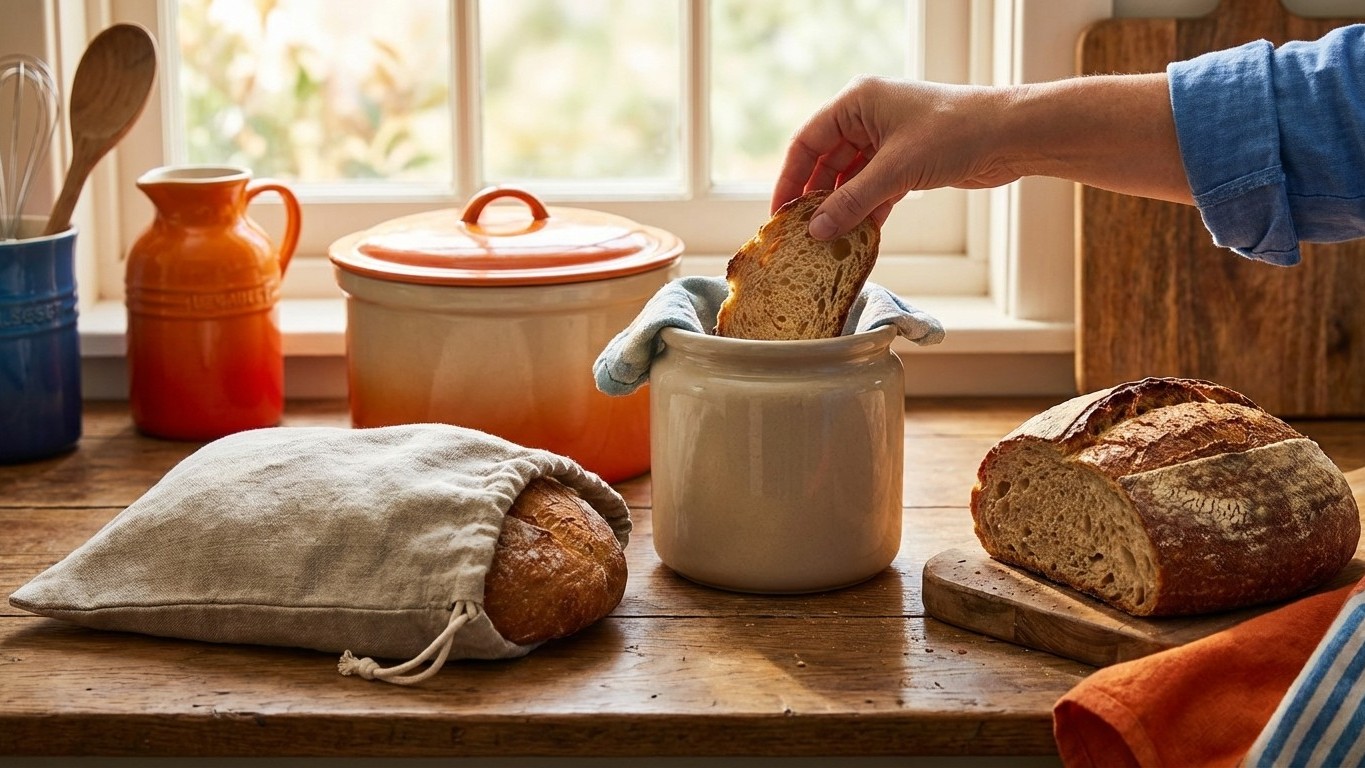
The method they used was deceptively simple: They Never stored bread in plastic bags or airtight containers like we do today. Instead, they wrapped their loaves in clean linen cloths or placed them in wooden bread boxes with careful ventilation. But here’s the game-changing part—when bread began to harden, they didn’t see it as waste. They saw it as an ingredient transformation, moving seamlessly into what they called the “second life” of bread.
This second life began with a technique called “refreshing.” Unlike our modern habit of tossing stale bread or relegating it to breadcrumbs, our ancestors knew that slightly stale bread could be completely revitalized. They would lightly dampen the crust with water—just a few drops—then place the loaf in a warm oven for 5-10 Minutes. The result was bread that tasted freshly baked, with a crispy exterior and soft interior that rivaled any bakery offering.
The Art of Bread Preservation That Modern Science Validates
What our ancestors Understood intuitively, food science now confirms. Bread stales not because it loses moisture, but because its starch molecules reorganize and become rigid. The plastic bags we use today Actually-makes-you-look-younger”>Actually-makes-you-look-younger”>Actually accelerate this process by creating a humid environment that promotes mold growth while simultaneously making the crust soggy. The breathable storage methods of the past allowed bread to maintain its structure while preventing harmful moisture accumulation.
The linen cloth technique works because natural fibers regulate humidity naturally. They Absorb excess moisture when it’s high and release it when the environment becomes too dry. This creates a microclimate around the bread that extends its fresh life significantly. Wooden bread boxes function similarly, with the wood’s natural properties helping to maintain optimal humidity levels while allowing just enough air circulation.
But the real brilliance lay in their approach to day-old bread. Rather than fighting its changing texture, they embraced it. Stale bread became the foundation for countless dishes that were often more delicious than anything made with fresh bread. French toast, bread pudding, ribollita, panzanella, and dozens of other classics were born from this philosophy of transformation rather than waste.
The Second Life Kitchen Philosophy
Our ancestors operated their kitchens on what we might call a “nothing is waste” principle, but it went deeper than mere frugality. They understood that ingredients have multiple personalities depending on their age and treatment. Fresh bread was for immediate enjoyment, day-old bread was perfect for toasting and sandwiches, and truly stale bread became a versatile ingredient for soups, stuffings, and casseroles.
They would slice aging bread and dry it completely in low ovens, creating rusks that could be stored for months in airtight containers. These rusks served multiple purposes: they could be rehydrated in soups and stews, ground into breadcrumbs, or eaten as they were with tea or coffee. This technique effectively tripled the useful life of every loaf.
The transformation didn’t stop there. They mastered the art of bread soups—rich, satisfying meals that turned stale bread into the star ingredient rather than a mere filler. Italian acquacotta, Spanish migas, and French panade were just a few examples of how stale bread became the foundation for hearty, nutritious meals that often fed Entire families.
Bringing Ancient Wisdom Into Modern Kitchens
Implementing this forgotten wisdom in today’s kitchen requires a shift in perspective more than technique. Start by changing how you store bread. Invest in a linen bread bag or a wooden bread box with proper ventilation. If neither is available, wrap your bread in a clean kitchen towel rather than plastic.
When bread begins to firm up, don’t panic. Assess its condition and decide on its next life. If it’s only slightly stale, the refreshing technique can bring it back completely. Simply sprinkle the crust lightly with water and warm it in a 350°F oven for 5-7 minutes. For bread That’s moved beyond refreshing, embrace its new texture. Slice it for the world’s best French toast, cube it for homemade stuffing, or tear it into chunks for a rustic bread salad.
Create a “stale bread collection” in your freezer. Unlike fresh bread, slightly stale bread freezes beautifully and can be used directly from frozen in most recipes. This gives you time to accumulate enough for larger batch cooking projects like bread puddings or large-batch breadcrumbs.
The real magic happens when you start planning meals around bread’s natural aging process. Buy bread knowing that you’ll use it fresh for the first day or two, then Transform it into something entirely different and equally delicious. This approach not only eliminates waste but actually enhances your cooking repertoire, connecting you to generations of resourceful cooks who understood that the best ingredients are often hiding in plain sight, waiting for their moment to shine in a new form.