
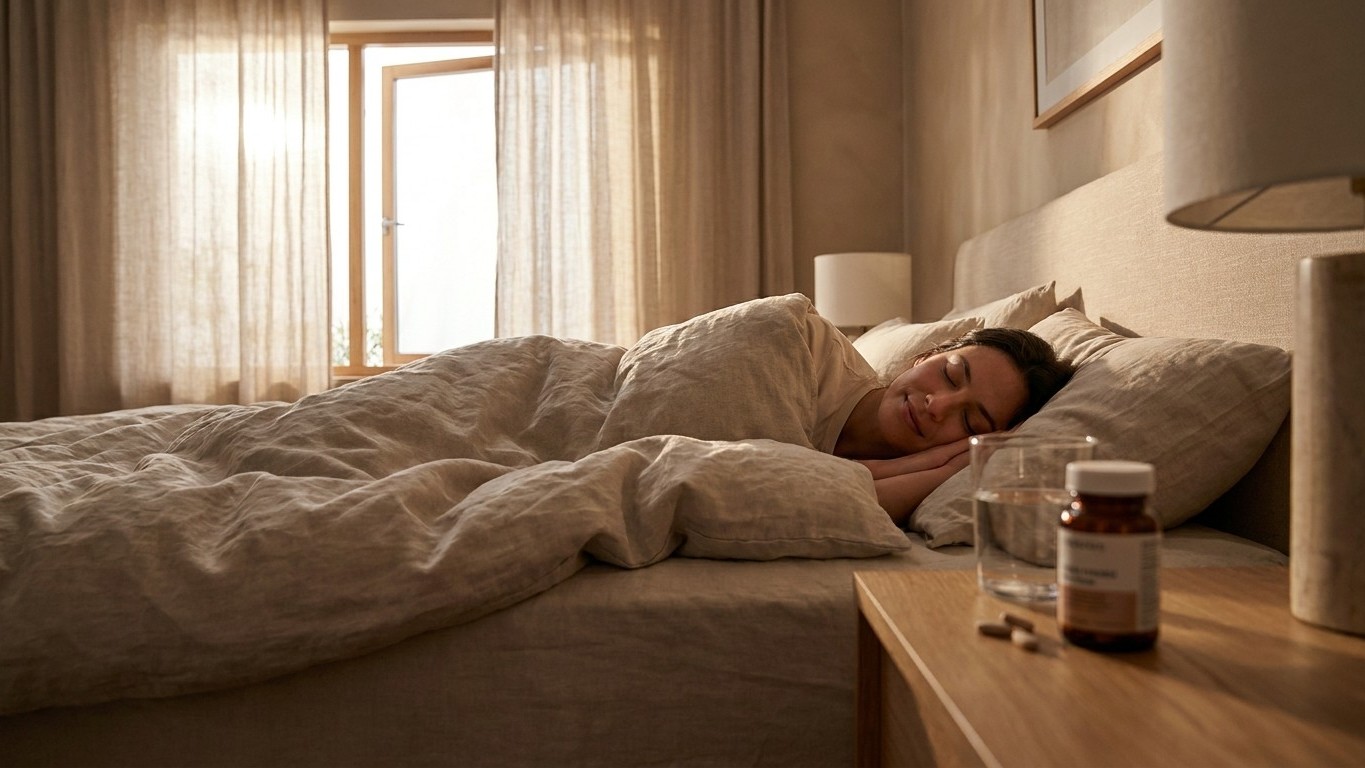
Every spring, the same ritual plays out in medicine cabinets across the country: you pop your antihistamine, wait, and feel… underwhelmed. The sneezing continues. The eyes stay itchy. So you assume the pill has stopped working, switch brands, maybe double up. The problem, in most cases, has nothing to do with the pill itself. It has Everything to do with the clock.
Allergists have been saying it for years, but it still hasn’t reached mainstream awareness: when you take your antihistamine matters as much as which one you take. The body runs on a 24-hour biological schedule, and your immune system is no exception to that rhythm.
Key takeaways
- Your body’s histamine surge and pollen peaks happen simultaneously between 4-10 AM—but most people don’t know it
- A single nighttime dose can pre-empt the inflammatory cascade that ruins your mornings, but only if timed correctly
- The two-hour lag between taking a pill and reaching full effectiveness is why your breakfast-time dose arrives too late
Your Immune System Has a Schedule : Pollen Knows It
The body operates on a 24-hour internal clock, the circadian rhythm, which regulates functions like the immune system and inflammation, and its natural anti-inflammatory defenses are at their lowest overnight. That vulnerability isn’t random. Cortisol, the hormone that suppresses inflammation, peaks in the morning and reaches its lowest point around midnight, which coincides with increased histamine production during the night.
Mast cells, which release histamine, exhibit their own rhythmic activity, and hormone levels that modulate allergic responses also fluctuate throughout the day. The result is a biological ambush most people never see coming. Many people experience peak allergy symptoms between 4 a.m. and 6 a.m., which is precisely why you can feel wrecked before you’ve even had coffee, even on a day when the pollen count seems moderate.
Pollen, for its part, follows its own schedule. Pollen counts typically peak in the early morning hours between 5–10 AM and again in the early evening. So the histamine surge and the allergen peak arrive roughly at the same time each day. Taking a pill reactively, once symptoms have already started, means you’re playing catch-up against two simultaneous biological events. Not a winning strategy.
The Shift Most People Are Missing
Here’s the part that surprises people: the recommendation for most allergy sufferers isn’t to take your antihistamine in the morning. To get the most out of antihistamine allergy medications, you should take them at the right time of day for your symptoms, and for many people, the best time is at night before bed, since most people feel their most severe allergy symptoms including congestion, itchy eyes, sneezing and headache in the morning.
A nighttime dose of an antihistamine can help suppress the early-morning inflammatory response that causes congestion and sneezing upon waking. The logic is elegant: instead of chasing symptoms that have already exploded, you pre-empt them. The medication builds to therapeutic levels while you sleep, so it’s already blocking histamine receptors before your mast cells ramp up their 4 a.m. performance.
Antihistamines are most effective when taken preventatively, not after symptoms become severe, and most non-drowsy options begin working within 30 minutes but take 1 to 2 hours to reach their full effect. That two-hour window is the key detail people consistently miss. If your alarm goes off at 7 a.m. and you take a pill with your breakfast, you won’t hit peak coverage until 9 a.m. — well after the morning histamine surge has already done its damage.
The research backing this approach goes back further than you’d think. Allergic diseases are among the best suitable targets for chronotherapy, the use of circadian rhythmic cycles in the application of therapy to maximize effectiveness and minimize side effects. Published studies in peer-reviewed allergy journals have documented timing-dependent differences in antihistamine efficacy, with allergic diseases considered among the most suitable targets for delivering drugs in synchrony with the circadian cycle of symptoms, noting that some antihistamines exhibit improved efficacy against allergic rhinitis when administered in the evening instead of in the morning.
Not All Antihistamines Play by the Same Rules
The nighttime recommendation applies specifically to second-generation, non-drowsy antihistamines, the ones most people reach for by default. Second-generation antihistamines, including loratadine (Claritin), cetirizine (Zyrtec), and fexofenadine (Allegra), are formulated to be less sedating because they do not cross the blood-brain barrier as easily. Because they won’t knock you out, shifting them to bedtime costs you nothing in wakefulness and gains you Everything in timing.
First-generation antihistamines, think diphenhydramine (Benadryl), are a different story, but their nighttime timing is already baked in by necessity. Taking a sedating antihistamine at night serves a dual purpose: it mitigates the side effect of drowsiness and provides maximum relief during peak nighttime histamine release. The problem is the effects can linger, causing next-day impairment and decreased alertness, even without subjective drowsiness, which is why most allergists now favor the newer formulations for daily seasonal use.
Your specific trigger matters too. Spring tree pollen sufferers benefit from morning doses, while fall ragweed allergies may respond better to evening dosing since ragweed pollen peaks in late morning to early afternoon. The blanket advice to “take it at night” is a useful default, not an absolute rule. If your worst symptoms hit at 6 p.m., then your coverage window should shift accordingly.
Consistency Is the Other Half of the Equation
Consistency is critical for optimal allergy control: taking medication at the same time daily maintains steady blood levels and prevents gaps in protection, while random timing can lead to breakthrough symptoms and reduced overall effectiveness. This is where most people quietly undermine their own treatment, taking the pill some mornings, skipping others, then wondering why Tuesday was miserable.
Allergy medications work best when taken preventively, and starting them anywhere from 2–4 weeks before your allergy season begins gives them time to establish consistent coverage. Given that compared to 1970, pollen season now starts 20 days earlier, concentration is 21% higher, and the pollen is more potent, changes primarily driven by warmer, wetter winters from climate change — starting early is no longer just good advice. It’s damage control.
One more nuance worth knowing: nasal corticosteroid sprays like Flonase operate on a completely different timeline than oral antihistamines. These sprays can take two to four weeks to build to their maximum effect, and if your nose is already full of congestion, it will be harder for the spray to get where it needs to go. For people who use both, the sequence matters as much as the schedule. Sprays first, before the season peaks. Antihistamine timing adjusted to your personal symptom window. The combination, timed correctly, covers both the inflammatory baseline and the acute histamine response, which is what your current routine may be missing entirely.
Sources : doctronic.ai | doctronic.ai