
For years, I grabbed whatever butter was on sale at the grocery store, thinking butter was butter. Salted, unsalted, European-style—they all seemed like marketing gimmicks to justify price differences. That mindset changed completely when a professional chef friend watched me baking and nearly gasped at my butter choice. What she Everything-for-perfect-crepe”>Told Me next revolutionized not just my baking, but my entire approach to cooking.
The revelation was surprisingly Simple: I’d been using salted butter for everything, completely unaware that this single choice was sabotaging my culinary efforts in ways I Never imagined. From flat cookies to inconsistent sauces, many of my Kitchen-gold”>Kitchen-staple-works-miracles-on-my-electric-kettle”>Kitchen frustrations traced back to This One ingredient swap I never knew mattered.
The Science Behind the Salt
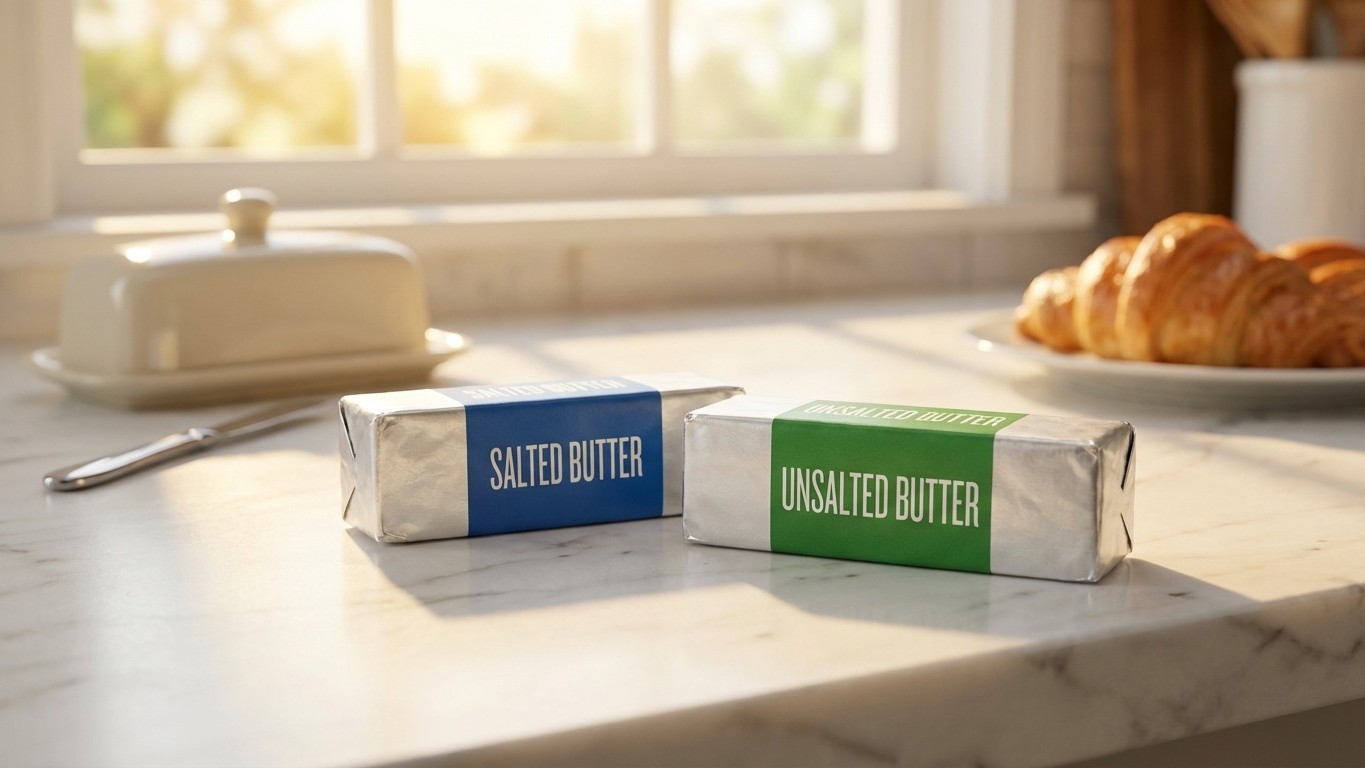
The fundamental difference between salted and unsalted butter isn’t just about taste—it’s about control and chemistry. Salted butter contains approximately 1-2% salt by weight, which might seem negligible until you consider how this affects your cooking. When you use salted butter in a recipe calling for unsalted, you’re essentially adding an uncontrolled variable that can throw off the entire flavor balance.
Salt acts as a preservative in butter, extending its shelf life significantly. This means salted butter can sit in stores and home refrigerators much longer than its unsalted counterpart. While convenient for manufacturers and consumers, this extended shelf life often comes at the cost of freshness and flavor intensity. Unsalted butter, being more perishable, typically offers a cleaner, more pronounced butter flavor that lets the true character of this ingredient shine through.
The moisture content also varies between these two types. Salt draws out water, making salted butter slightly less creamy and affecting how it behaves in recipes. This difference becomes particularly pronounced in delicate preparations where butter’s texture plays a crucial role, such as in pastry making or emulsion sauces.
When Salt Changes Everything
Baking represents the most dramatic example of how butter choice impacts results. Professional bakers almost exclusively use unsalted butter because it provides complete control over the salt content in their recipes. When I switched to unsalted butter for my chocolate chip cookies, the difference was immediately apparent—the cookies had better rise, more even browning, and a more balanced sweetness that wasn’t competing with unexpected saltiness.
The impact extends far beyond cookies and cakes. Making hollandaise sauce with salted butter resulted in an overly salty, sometimes broken emulsion that I previously attributed to technique-to-clean-your-crystal-chandelier-Without-or”>technique rather than ingredient choice. With unsalted butter, the sauce became silky and perfectly seasoned, allowing me to add salt precisely as needed.
Even simple preparations like sautéed vegetables benefited from this switch. Using unsalted butter prevented over-salting when I added other seasoned ingredients, giving me the flexibility to build flavors layer by layer rather than fighting against the butter’s predetermined saltiness.
The Fresh Factor
Beyond the salt consideration, unsalted butter’s shorter shelf life actually works in Your favor for flavor. Because it can’t rely on salt for preservation, unsalted butter must be fresher when you purchase it, and this freshness translates directly to better taste in your finished dishes. The clean, sweet cream flavor becomes the foundation for whatever you’re creating rather than a muddled background note.
This freshness particularly shines in applications where butter is the star, such as in classic French butter sauces or when finishing vegetables. The pure dairy flavor enhances rather than competes with other ingredients, creating a harmony I never achieved with salted varieties.
Making the Switch Work for You
Transitioning to unsalted butter requires a slight adjustment in your seasoning approach, but it’s surprisingly intuitive once you start. Instead of relying on the butter to provide salt, you become more intentional about seasoning throughout the cooking process. This actually improves your overall cooking skills by forcing you to taste and adjust as you go.
For spreading on bread or casual use, salted butter still has its place and offers convenience and flavor. The key is understanding when each type serves you best. Keep both varieties on hand: unsalted for cooking and baking where you want control, and salted for direct consumption and situations where you want that built-in seasoning.
Storage becomes slightly more important with unsalted butter due to its shorter lifespan, but this encourages using fresher ingredients—a win for flavor in any recipe. Wrapping it well and using it within the recommended timeframe ensures you’re getting The best possible results.
This seemingly small change in my kitchen Routine has elevated everything from morning scrambled eggs to elaborate dinner party desserts. The precision and control that unsalted butter provides has made me a more confident cook and helped me Understand Why professional kitchens insist on this distinction. Sometimes the most profound improvements come from the simplest adjustments, and choosing the right butter for each culinary task has proven to be one of those game-changing discoveries that makes every dish better.