
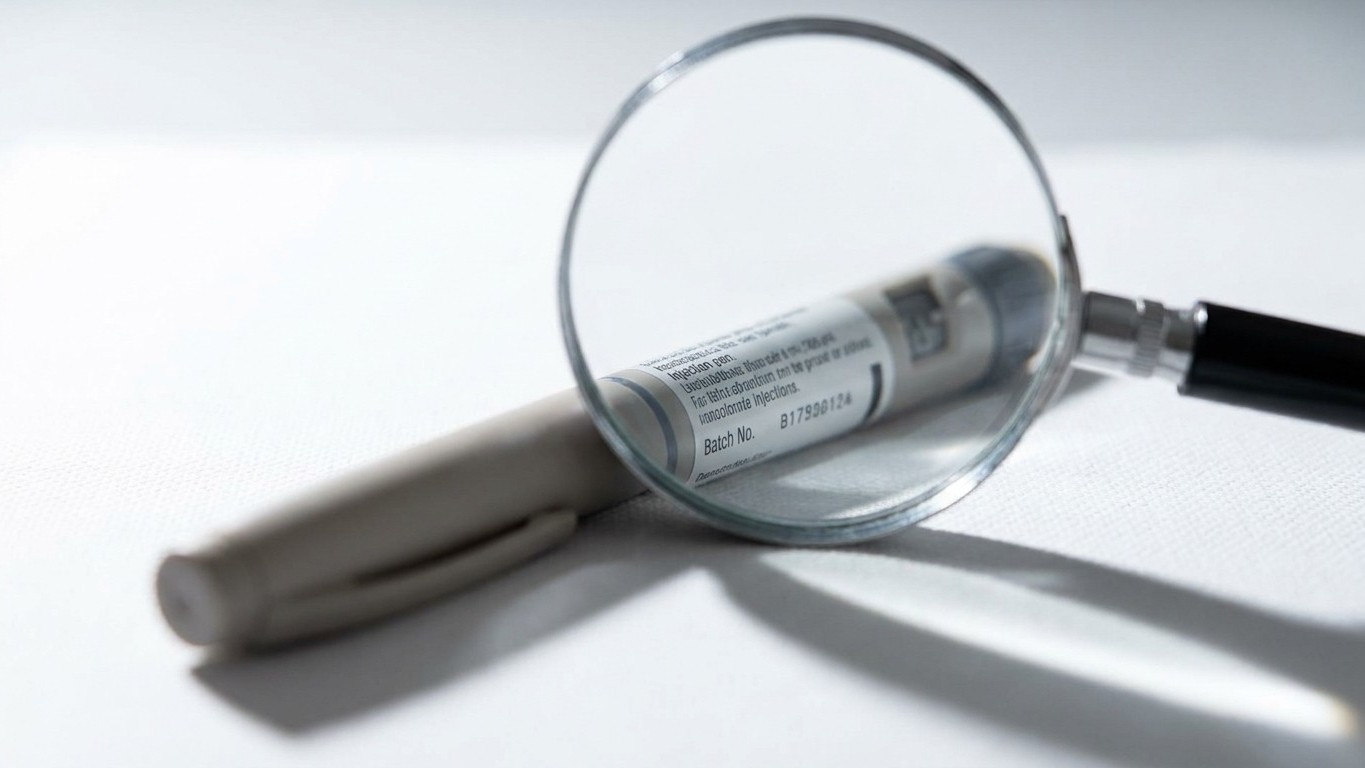
Michelle Sword thought she’d found a bargain. The 45-year-old from Oxfordshire paid roughly £150 for what she believed was an Ozempic pen, purchased through a Facebook ad promising the same weight-loss results at a fraction of clinic prices. Within 20 minutes of injecting, she collapsed and began seizing in front of her 15-year-old daughter. An ambulance was called. What arrived at the hospital wasn’t a case of an unlucky side effect from a legitimate drug. It was something else entirely.
Her story isn’t unique, and that’s the part that should worry anyone tempted by a “too good to be true” weight-loss deal scrolling past on Instagram or a slick standalone website. Similar scenes have played out from Oxfordshire to Vienna to Beirut, all following the same script: a discounted pen, a quiet injection at home, and then a medical emergency nobody saw coming.
Key takeaways
- Counterfeit weight-loss pens seized globally contain insulin instead of semaglutide, causing rapid-onset seizures and coma in unsuspecting users
- Even legitimate-looking websites and registered pharmacies have been infiltrated by fake products carrying authentic-looking batch numbers
- UK authorities uncovered the first illicit weight-loss drug factory ever found in the country, with nearly 20 million illegal doses seized in 2025 alone
What’s actually in the fake cartridges
The pattern regulators keep uncovering is chillingly consistent. The Medicines and Healthcare products Regulatory Agency said those hospitalized experienced serious side effects, including hypoglycemic shock and coma, indicating that the pens may have contained insulin rather than semaglutide, the medication found in Ozempic. Insulin and semaglutide work on completely different mechanisms. Get the dose wrong, or inject insulin into someone who isn’t diabetic and hasn’t eaten to match it, and blood sugar can crash within minutes.
Austrian health officials documented the same nightmare. The patients in Austria reported symptoms including seizures and hypoglycemia, a sign that they may have received insulin instead of Ozempic. Their regulator didn’t mince words about the stakes involved, warning that “due to the untested quality of the counterfeit drug, possible impurities and unknown ingredients, these counterfeits can also be life-threatening.”
The scale of this trade has exploded well past a handful of dodgy sellers. UK enforcement teams uncovered what’s being called the first illicit weight-loss drug factory ever found in the country, operating out of Northampton. Officers working alongside local police uncovered tens of thousands of empty injection pens, raw chemical ingredients, and over 2,000 unlicensed tirzepatide and retatrutide pens, in what the MHRA described as the largest single seizure of trafficked weight loss medicines on record globally. A second operation followed just months later. In February 2026, a coordinated follow-up operation in Lincolnshire, supported by Immigration Enforcement and Trading Standards, disrupted a second organised crime group, seizing further doses, vehicles, manufacturing equipment, and cash linked to medicines trafficking.
The numbers behind this criminal economy are staggering for something sold on a Tuesday-afternoon Facebook scroll. Nearly 20 million doses of illegal weight loss medicines were seized by the MHRA in 2025, with an estimated street value of £45 million, alongside more than 1,200 social media posts promoting illegal weight loss products removed that same year. And the fakes have gotten sharper. The MHRA described three distinct phases in this black market’s development: 2023 saw counterfeit versions of Mounjaro and Wegovy, often re-labelled insulin pens, while early 2024 brought home-mixing kits and pre-filled generic syringes containing unverified ingredients. By 2025, sophisticated, fully branded fake products were competing directly with genuine medicines.
Even legitimate-looking pharmacies aren’t a guarantee
Here’s the uncomfortable twist, one that undercuts the usual advice to “just check the website looks professional.” In February 2026, the MHRA confirmed that a falsified version of a Mounjaro injection had been supplied through an online pharmacy in the UK. The fake pen even carried a real batch number lifted straight from a genuine product. The falsified product had the batch number D873576, which is a legitimate batch number for genuine Mounjaro KwikPen, and healthcare professionals were advised by the medicines regulator not to supply any pens carrying it, because all pens with this batch number are fake. If a registered pharmacy’s supply chain can get infiltrated, the idea that a shiny e-commerce site with a padlock icon proves anything is, frankly, wishful thinking.
Cosmetic clinics and beauty salons have added another layer of risk. Counterfeit injections falsely branded to resemble popular medications such as Mounjaro and Wegovy are being sold across social media and even through some beauty salons, spaces where clients reasonably assume some medical oversight exists. It usually doesn’t.
Spotting a fake before it reaches your skin
Clinicians who’ve treated victims of this black market point to a handful of tells that separate a genuine pen from a dangerous imitation. A specialist nurse who has reviewed the evidence lays out the most reliable warning signs:
- Product arriving as powder in vials or ordinary syringes, when genuine Wegovy, Mounjaro, and Ozempic come only as pre-filled, pre-dosed injection pens
- Cloudy or discoloured liquid, since legitimate semaglutide and tirzepatide solutions should be clear, colourless, or very pale yellow, and cloudiness may signal contamination or a completely different substance
- Poor packaging or spelling errors, something the World Health Organization has documented on counterfeit Ozempic boxes
- Phrases like “no prescription needed,” unusually low prices, plain packaging, or sellers who can’t show professional credentials
That last point Matters More Than people give it credit for. Injections like Wegovy and Mounjaro are only safely available with a prescription, requiring you to answer questions online or in-person about your medical history so a doctor or pharmacist can confirm they’re safe for you specifically. A seller who skips that step isn’t cutting red tape. They’re cutting the one safeguard standing between you and an ambulance ride.
If you’ve already injected something you’re unsure of
Anyone with doubts about a pen already used should act immediately rather than wait for symptoms. Anyone who has already used a product they now have doubts about should contact their GP immediately, and suspected fake medicines can be reported to the MHRA via the Yellow Card scheme or the MHRA counterfeit hotline. Novo Nordisk has echoed the same urgency, confirming it works directly with regulators. “Novo Nordisk is investigating and reporting every counterfeit case we are made aware to local authorities, in accordance with applicable regulations,” a company spokesperson has said.
The counterfeit trade isn’t slowing down, and neither is the temptation of a discount that seems to defy the maths of legitimate clinics. But the £180 saved on a black-market pen buys nothing if the cartridge inside was never what the label claimed. The batch number can be real. The packaging can be flawless. The only detail that actually protects you is where the prescription came from, and whether anyone with a medical license ever looked at your file before that pen shipped.
Sources : cnn.com | onlinedoctor.lloydspharmacy.com | privatemedicalclinic.com