
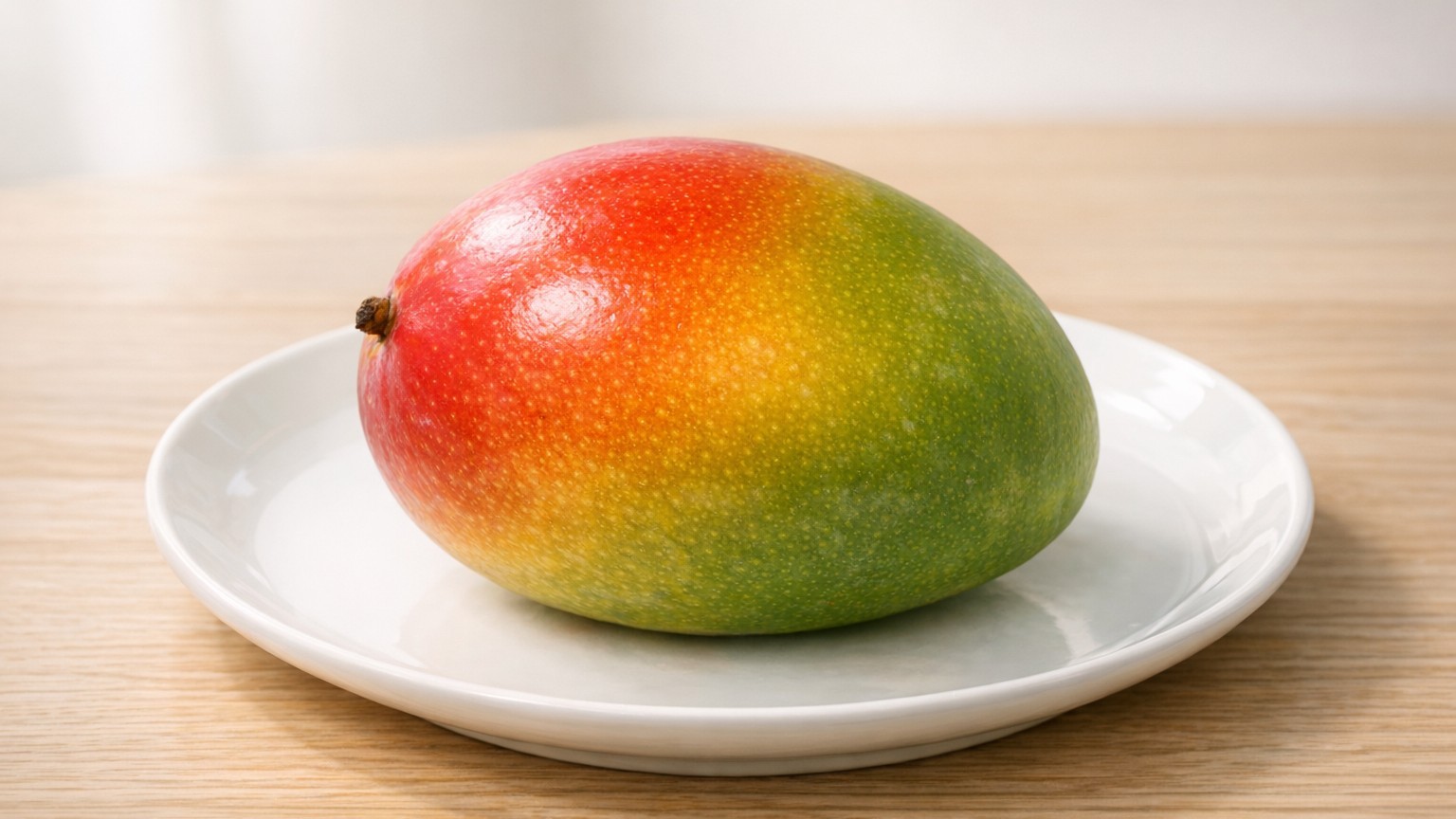
Every morning, the same ritual: a big bowl of tropical fruit, mango slices, a ripe banana, a handful of pineapple chunks, consumed with the quiet conviction that this was the right move. Clean. Natural. Virtuous. Months later, the scale hadn’t budged, energy was inconsistent, and a routine blood panel revealed elevated fasting blood sugar. The fruit, the supposed ally, had been quietly working against the plan.
This story is more common than you’d think. The assumption that fruit is always a “free food”, something you can eat freely without metabolic consequence — is one of the most persistent myths in wellness culture. After tracking blood sugar responses, practitioners have discovered surprising patterns about high-sugar fruits that can really throw a wrench in weight loss efforts. The issue isn’t fruit itself. The issue is which fruit, in what form, and eaten how.
Key takeaways
- A single mango contains 45 grams of sugar—more than a can of Coke—and tropical fruits spike blood sugar faster than you think
- Fructose doesn’t trigger fullness hormones the way glucose does, leaving you genuinely hungry an hour after eating a ‘wholesome’ fruit bowl
- The form matters as much as the fruit: one glass of juice daily leads to weight gain, while whole fruit leads to weight loss
The Sugar Is Natural. Your Pancreas Doesn’t Care.
High-sugar fruits like grapes, mango, cherries, bananas, and pineapple can deliver 14 to 23 grams of natural sugar per serving with moderate to high glycemic indexes, so overeating them may trigger sharper blood sugar spikes. That morning bowl of tropical fruit? A medium mango alone contains about 45 grams of sugar, more than a can of Coke. Add a banana and a cup of pineapple and you’ve consumed a sugar load that would raise an eyebrow on any nutrition label, regardless of how “whole” and “natural” the source.
The glycemic index gives a clearer picture. The glycemic index measures how quickly carbohydrates from food enter your bloodstream and raise your blood glucose level. Foods with higher GIs cause spikes in blood sugar more rapidly than those with lower GIs, which is not ideal for those trying to maintain healthy weight management. What makes tropical fruits particularly tricky is that they tend to sit in the medium-to-high range, especially when eaten alone, on an empty stomach, first thing in the morning — which is exactly when most people eat them.
The fructose question gets more interesting from a hormonal standpoint. Fructose interacts with your appetite hormones differently than glucose. When you eat glucose, your body releases insulin, which triggers the release of leptin, the hormone that tells your brain you’re full. Glucose also suppresses ghrelin, the hormone that signals hunger. Fructose does none of these things effectively, it fails to stimulate meaningful insulin or leptin release, and doesn’t suppress ghrelin the way glucose does. The result: you eat a large bowl of mango, feel a brief energy lift, and are genuinely hungry again an hour later. A cycle that quietly dismantles a caloric deficit.
The Form Matters as Much as the Fruit
Fruit in its whole form and fruit in processed form are not the same food metabolically. This is where a lot of well-intentioned morning routines go wrong. A daily glass of orange juice is essentially liquid sugar without the fiber benefits of whole fruit. Even 100% pure fruit juices can contain up to 36 grams of sugar per cup, and the lack of fiber means those sugars hit your bloodstream fast.
Research finds that drinking just one glass of 100% fruit juice every day leads to gaining close to half a pound over three years, yet increasing whole fruit intake by one serving each day resulted in about a pound of weight loss over the same period. The same fruit. Completely different outcomes, depending on whether you eat it or drink it. Fruit juice causes blood glucose and insulin levels to spike faster and higher than whole fruit does — which explains how fruit juice increases the risk for obesity, in contrast to the lowered risk associated with whole fruit.
Dried fruits follow the same logic. Dried fruits like raisins and dried cranberries contain fiber, but they’re higher in carbohydrates per serving, which can lead to bigger blood-sugar spikes compared to eating whole fruits. A quarter cup of dried fruit (roughly a small handful) is a single serving, but it contains the same sugar and calories as a much larger portion of fresh fruit, with none of the water content that signals fullness. The stomach-filling effect of water in whole fruit is not a small detail — it’s a significant satiety mechanism that disappears entirely when fruit is dehydrated or juiced.
What Actually Works (And the Counterintuitive Mango Study)
Before abandoning tropical fruit entirely, which would be an overcorrection, the research on context matters. A George Mason University study found that daily mango eaters showed better blood sugar control and less body fat than those eating a lower-sugar snack. The results suggest that it’s not just sugar levels, but how the sugar is packaged in whole foods, that matters. The study compared a fresh mango (32 grams of sugar) against a low-sugar granola bar (11 grams), and the mango won on every metabolic metric. Less sugar is not automatically healthier. A lesson that applies well beyond fruit.
The operative variable is pairing and portion. Measuring portions and pairing high-sugar fruits with protein or healthy fats can help slow absorption and blunt glucose surges. Eating protein along with your fruit can slow down digestion, keep you fuller for longer, and help balance blood sugar. A mango eaten alone on an empty stomach behaves differently than the same mango eaten alongside Greek yogurt and a handful of nuts. The fiber, fat, and protein change the entire metabolic equation.
For those who want the path of least resistance, the low-glycemic options are clear. Blueberries have a glycemic index of 40, and cherries come in at just 22, the lowest of any common fruit. Berries produce a smaller blood sugar response than most other sweet foods, which translates to fewer energy crashes and less rebound hunger. Pears and apples both have low glycemic index scores (38 for pears, 36 for apples), and their soluble fiber, particularly pectin, forms a slow-digesting gel. The key is eating them with the skin on, where most of the fiber lives.
The Morning Ritual Worth Rebuilding
The blood sugar result that surprises so many people isn’t evidence that fruit is bad. It’s evidence that context collapses without structure. Consuming large amounts of fruit without protein or fat can lead to blood sugar fluctuations and increased hunger, which may indirectly affect weight management. A bowl of tropical fruit, eaten solo at 7am after overnight fasting, is about the least metabolically stable way to start the day, however photogenic it looks.
The 2025–2030 Dietary Guidelines recommend 1 to 2.5 servings of fruit per day for adults, with one serving being about 1 cup of raw fruit, roughly the size of a baseball. For weight loss, landing around 1.5 to 2 servings per day gives you the fiber and nutrient benefits without adding excessive sugar. That’s significantly less than what most “clean eating” morning routines actually contain, once you measure honestly.
The rebuild looks like this: berries or an apple with the skin on, eaten alongside eggs or yogurt, rather than a standalone fruit bowl the size of a mixing bowl. Pairing fruit with protein or healthy fats maintains balanced blood sugar levels throughout the day. One small but reliable study worth noting: eating at least five servings of fruits rich in anthocyanins, such as blueberries, apples, and pears, each week reduced the risk of type 2 diabetes by 23% in a group of more than 200,000 people. The fruit that protects your metabolic health long-term is, perhaps unsurprisingly, not the sweetest one in the bowl.
Sources : sciencemediacentre.org | uclahealth.org