
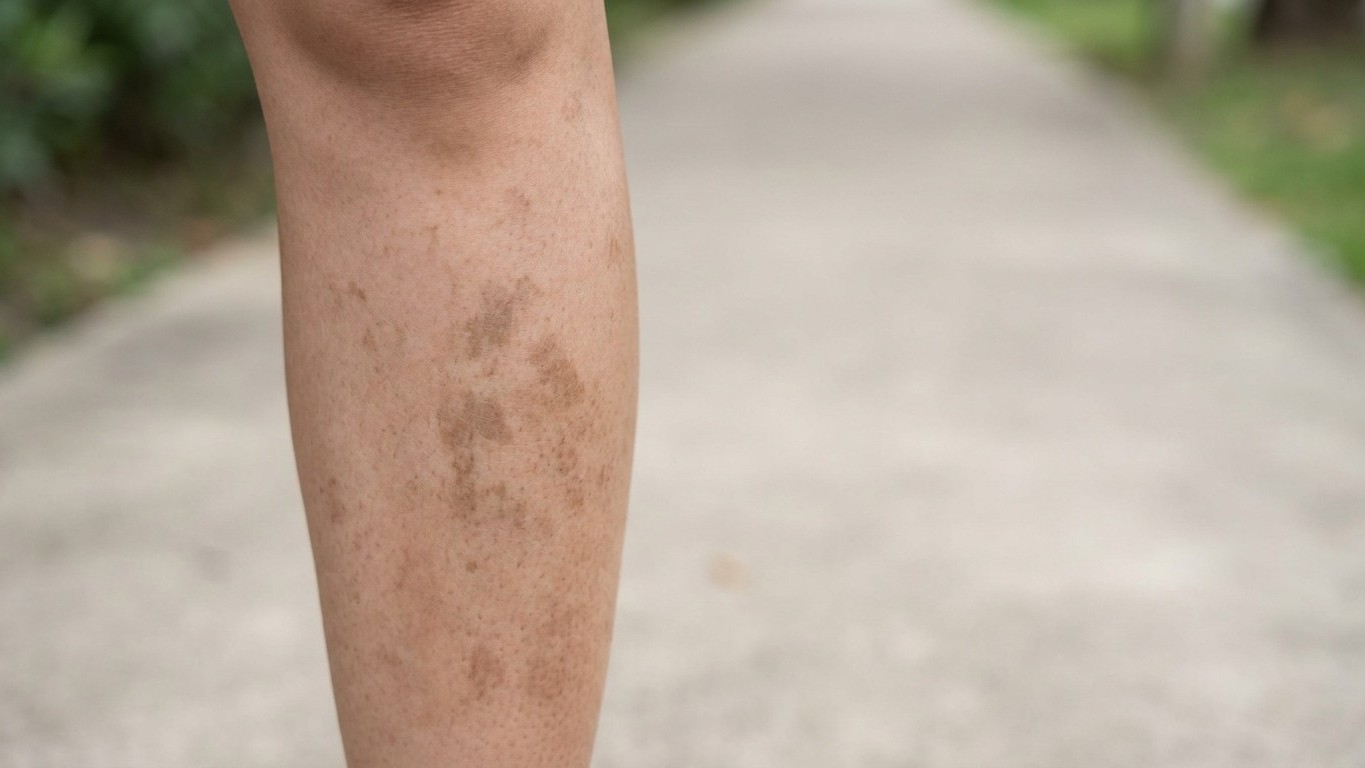
The dark patches showed up gradually, so gradually that for years they barely registered. A little unevenness on the shins. Some stubborn discoloration that never quite faded between summers. Then a dermatologist visit for something unrelated, a quick glance down, and a question that reframed two decades of beach prep: How long have you been shaving right before sun exposure?
The habit is practically universal. Smooth legs for the beach means shaving that morning, or the night before at the absolute latest. It feels like basic grooming logic. The problem is that it sets up a Biological chain reaction that, repeated summer after summer, leaves a very visible record on your skin.
Key takeaways
- A dermatologist spot a pattern on shins that took 20 years to fully connect to one daily habit
- Shaving strips your skin’s protective barrier right before it faces maximum sun damage—a combination that triggers excess pigment production
- The fix isn’t complex, but reversing the damage takes months even with professional-grade treatments
What Your Skin Is Actually Doing When You Shave
When you shave, you’re not just removing hair, you’re also removing the top layer of dead skin cells and creating micro-abrasions on the skin surface. The body doesn’t distinguish between a razor and a scrape on the sidewalk. Post-inflammatory hyperpigmentation happens when the skin’s melanocytes, the cells that produce pigment, go into overdrive after any kind of trauma or inflammation — even something as routine as shaving can trigger this response, especially if your technique isn’t quite right.
The mechanism is straightforward but easy to underestimate. Every time you shave, you’re causing micro-injuries to your skin, and these small but repeated traumas trigger a protective response: your skin starts producing excess melanin, the pigment that gives skin its color. One shave, no lasting issue. Twenty summers of shaving and then immediately spending hours at the beach, in direct sun, without SPF on freshly disrupted skin? That’s a different story entirely.
Leg skin is actually quite different from the delicate skin on your face, it’s thicker and deals with constant friction from clothing, making it more prone to developing stubborn patches when irritated. The shins, specifically, take the most direct hits. The skin there is thinner over the bone, gets less circulation, and catches every UV ray when you’re lying on the sand.
The Beach Timing Problem Nobody Talks About
Here’s the detail that makes the beach-shave ritual specifically damaging: post-shave skin is stripped of some of its natural oils and protective barrier, which normally help shield you from irritants, including UV rays. So the very moment your skin is most vulnerable, you’re placing it under peak sun exposure.
Shaving before sun exposure, when many people shave their legs before the beach, pool, or outdoor events, compounds the problem in a way that a single isolated shave would never do. Daily SPF 30+ is non-negotiable, because UV exposure dramatically worsens existing hyperpigmentation and can make PIH permanent. Without that protection on freshly shaved legs, repeated exposure to sun on freshly shaved skin can accelerate the aging process or contribute to hyperpigmentation, especially for individuals with darker skin tones.
The counter-intuitive truth here is worth sitting with: the problem isn’t shaving itself. Shaving doesn’t directly cause darkening, but it creates conditions that make your skin more vulnerable to hyperpigmentation, especially if you’re already predisposed to PIH based on your skin type. The culprit is the combination: disrupted barrier, immediate UV hit, no sunscreen, repeated every summer for years.
And ingrown hairs add another layer. Shaving can cause ingrown hairs, which also contribute to hyperpigmentation, ingrown hairs occur when hair curls back and grows into the skin instead of growing out of the follicle. Each tiny bump, each small inflammation, leaves behind a little deposit of excess pigment. Multiplied across two decades, those deposits accumulate into the kind of persistent patchiness that makes a dermatologist raise an eyebrow.
What Actually Fades It (and How Long It Takes)
The honest answer is: longer than you want. Temporary PIH fades in one to two months with consistent sunscreen and topicals, while persistent PIH may take three to six months with professional treatments or targeted products, severe cases, though rare, may require six to twelve months with combined therapies, especially in darker skin tones.
The ingredient list that dermatologists and cosmetic chemists consistently recommend for this type of damage has a few key players. Topical agents like hydroquinone, retinoids, azelaic acid, kojic acid, ascorbic acid, niacinamide, and licorice extracts can accelerate the resolution of post-inflammatory hyperpigmentation. Niacinamide is particularly well-tolerated: concentrations between 5–10% are most effective for hyperpigmentation, starting with 5% for sensitive skin, or 10% for more stubborn pigmentation. Most people see initial results in four to six weeks, with more noticeable improvement by week eight to twelve.
For kojic acid, it slows down melanin production, giving your skin a chance to regenerate evenly-toned, brighter-looking layers, and scientific studies have demonstrated it is an effective treatment for post-inflammatory hyperpigmentation. It works even better in combination: kojic acid is more effective when paired with niacinamide, vitamin C, or other brightening ingredients, as these combinations enhance penetration and support the skin’s renewal process for faster visible improvement.
Topical retinoids offer another route. Topical retinoids such as tretinoin or adapalene are widely recommended by dermatologists, these vitamin A derivatives work by accelerating cell turnover, so dead skin cells shed more quickly, which helps smooth rough patches, reduce pore visibility, and prevent the buildup that compounds the issue. The catch: start slowly, because initial dryness and peeling are common.
Changing the Ritual Going Forward
The fix is genuinely simpler than the damage it prevents. Shaving the night before rather than the morning of outdoor activities can significantly reduce cumulative irritation. That single shift, moving the razor from morning-of to the evening before, gives the skin barrier time to partially recover before it faces sun exposure.
After shaving, applying moisturizer with SPF after shaving legs prevents most shaving-related darkening and keeps skin healthy and resilient. On beach days specifically, applying broad-spectrum SPF 30+ (mineral-based with zinc oxide) daily to shaved areas, even if not directly exposed to sunlight, closes the loop on what was previously an open wound in the routine. And old blades tug at the hair instead of cutting cleanly, increasing trauma to the skin, razors that aren’t cleaned properly can harbor bacteria that infect freshly shaved pores and lead to folliculitis, so dermatologists recommend changing blades every five to seven shaves.
One more thing worth knowing, because it changes how you think about this: people with darker skin tones are more prone to developing hyperpigmentation because their skin naturally produces more melanin. Which means the same shaving habit, the same beach summers, can produce dramatically different outcomes depending on where your baseline sits. Two women with the same twenty-year routine can walk away with completely different legs, and neither of them understood why until a dermatologist looked down.
Sources : chemistconfessions.com | bushbalm.com