Why Washing Your Sheets at 30°C Is Ruining Your Skin: What a Dermatologist Saw on My Pillowcase

Why Washing Your Sheets at 30°C Is Ruining Your Skin: What a Dermatologist Saw on My Pillowcase

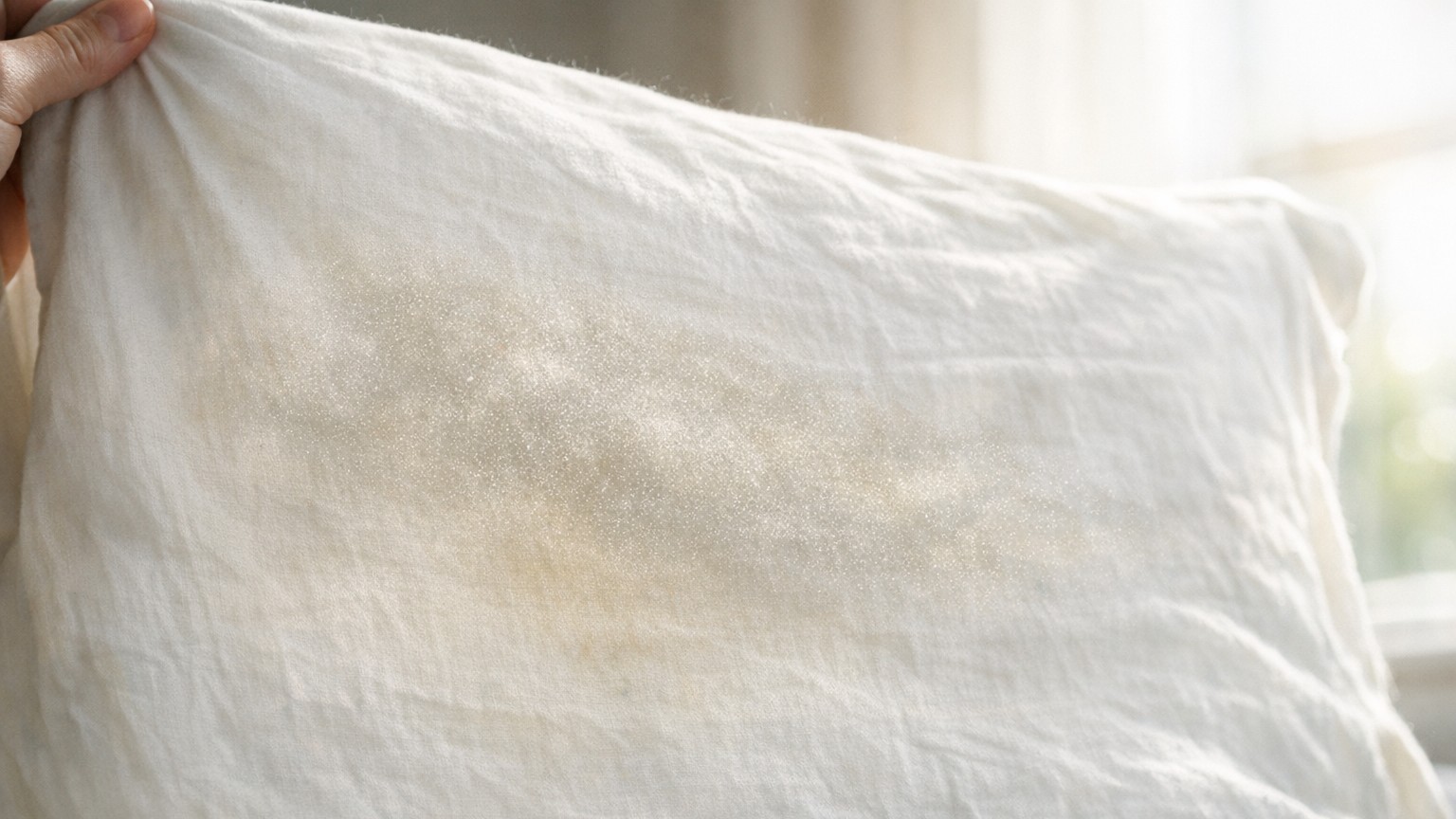
For years, washing sheets at 30°C felt environmentally responsible until a dermatologist’s offhand comment revealed the uncomfortable truth: your pillowcase is a breeding ground for bacteria, dust mites, and skin-damaging allergens. Cold water doesn’t kill what’s actually living there.

Your Loofah Is a Bacteria Hotel: What a Nurse’s White Plate Test Reveals About Your Shower

Your Loofah Is a Bacteria Hotel: What a Nurse's White Plate Test Reveals About Your Shower

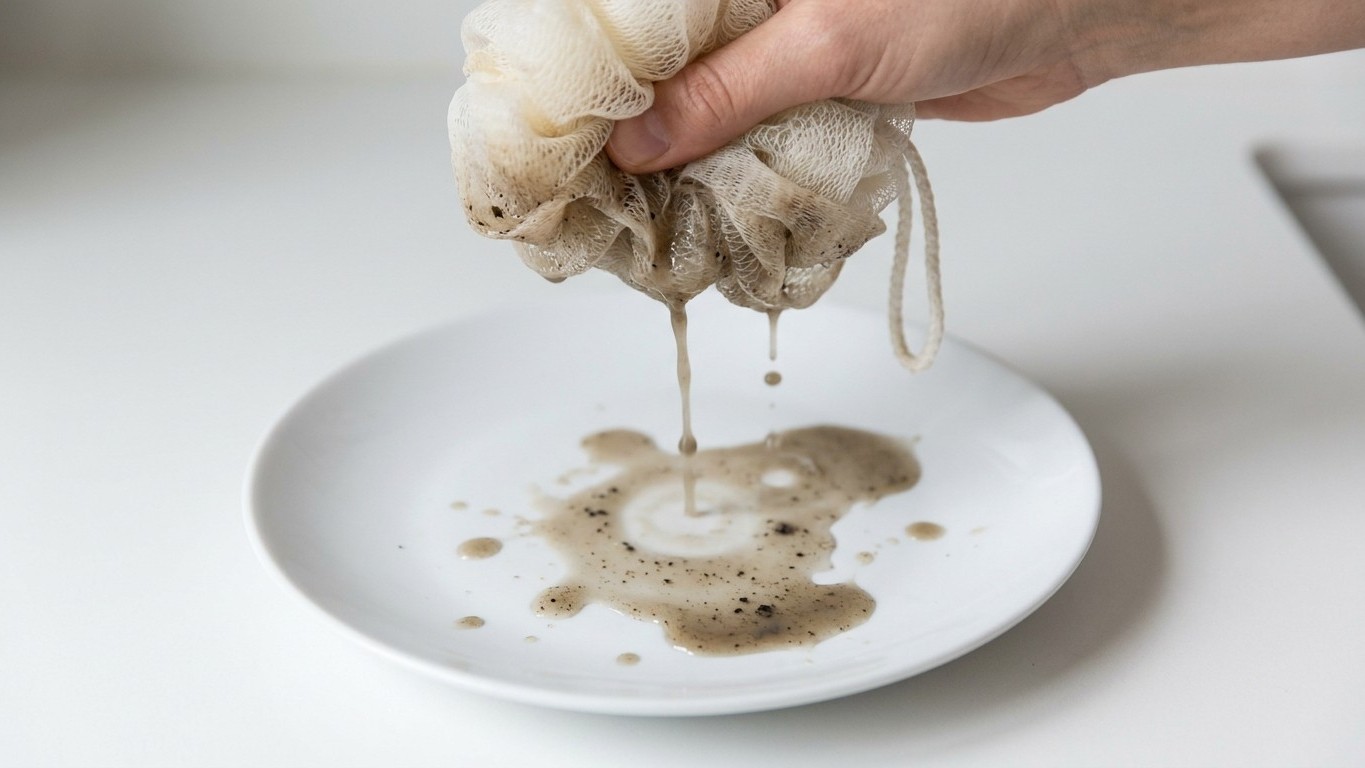
That loofah hanging in your shower isn’t keeping you clean—it’s re-contaminating you. When a nurse squeezed one over a white plate, the murky residue revealed bacteria, dead skin, and mold that multiply overnight. Dermatologists say you should replace it every 2-4 weeks, not months.

20 Years of Dark Shin Patches: Why Shaving Before the Beach Damages Your Skin

20 Years of Dark Shin Patches: Why Shaving Before the Beach Damages Your Skin

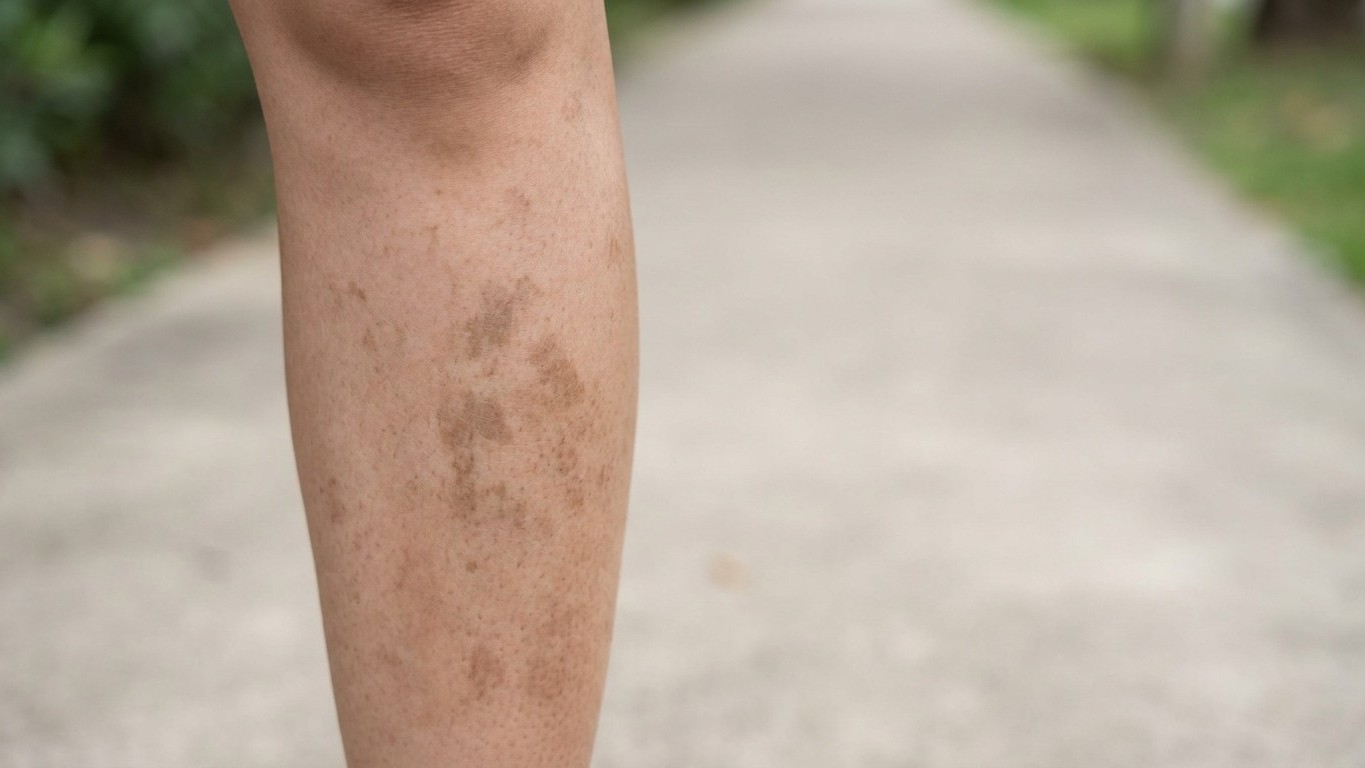
A dermatologist’s simple question revealed a two-decade skincare mistake: shaving right before beach days creates the perfect storm for permanent dark patches on the shins. Post-inflammatory hyperpigmentation isn’t just cosmetic—it’s the cumulative result of disrupted skin barriers meeting peak UV exposure, repeated every summer.

The Bathroom Habit Dermatologists Say Is Wrecking Your Skin: Why Your Body Towel Is a Bacteria Highway to Your Face

The Bathroom Habit Dermatologists Say Is Wrecking Your Skin: Why Your Body Towel Is a Bacteria Highway to Your Face

For years, you’ve grabbed the same towel to dry your entire body—including your face. A nurse’s casual dinner comment about what bacteria travels from your groin to your cheekbones via that one fluffy rectangle changed everything. Dermatologists confirm the science is alarming, and those mystery breakouts might have a much simpler (and grimier) explanation.

Your Daily Pill Might Be Secretly Burning Your Skin: The Photosensitivity Crisis Nobody Talks About

Your Daily Pill Might Be Secretly Burning Your Skin: The Photosensitivity Crisis Nobody Talks About

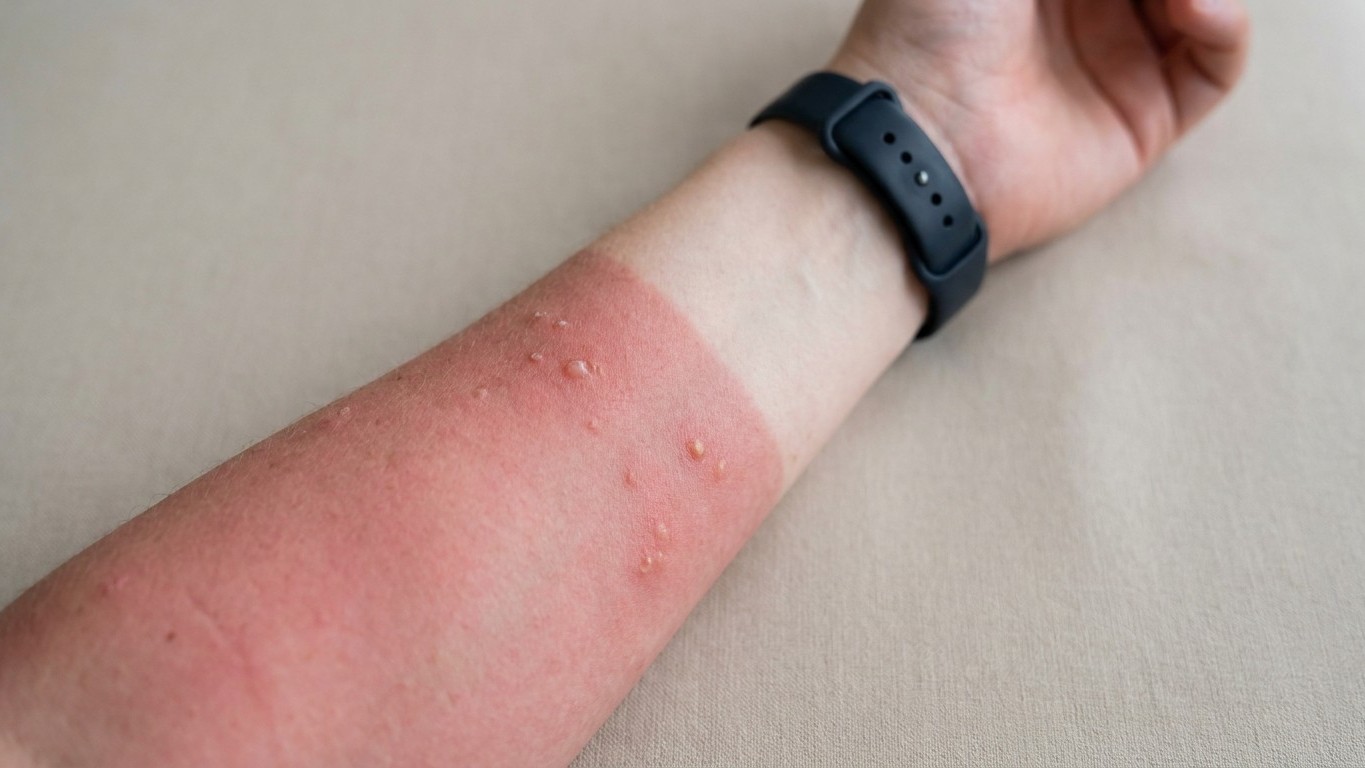
A casual walk in the sun left her with severe blistering—but sunscreen wasn’t the problem. Her daily medication was chemically altering her skin’s reaction to UV rays, a condition affecting millions of women taking everything from birth control to antibiotics. Here’s what dermatologists want you to know before it happens to you.

Your Daily Perfume Habit May Be Leaving Permanent Dark Marks on Your Neck

Your Daily Perfume Habit May Be Leaving Permanent Dark Marks on Your Neck

That subtle brown smudge on your neck isn’t sun damage—it might be berloque dermatitis, a phototoxic reaction triggered by perfume ingredients combined with UV exposure. Dermatologists have been seeing this pattern for decades, yet it remains one of the most underdiagnosed forms of daily skin damage in women’s routines.

Your Old Sunscreen Bottle Is Lying to You: Why Last Year’s SPF Won’t Save Your Skin

Your Old Sunscreen Bottle Is Lying to You: Why Last Year's SPF Won't Save Your Skin

The sunscreen sitting in your bathroom cabinet since last summer isn’t just old—it’s likely providing almost zero protection while giving you dangerous false confidence. Chemical filters degrade rapidly in heat, and expired sunscreen can be worse than using nothing at all because you think you’re protected when you’re not.

Why One Side of Your Face Ages Faster: Dermatologists Reveal the Surprising Culprits

Why One Side of Your Face Ages Faster: Dermatologists Reveal the Surprising Culprits

Your mirror isn’t lying—one side of your face really is aging faster than the other. Dermatologists have pinpointed three surprising culprits: invisible UV rays through car windows, nightly pillow pressure, and your face’s natural structural asymmetry. Here’s what science says you can actually do about it.