
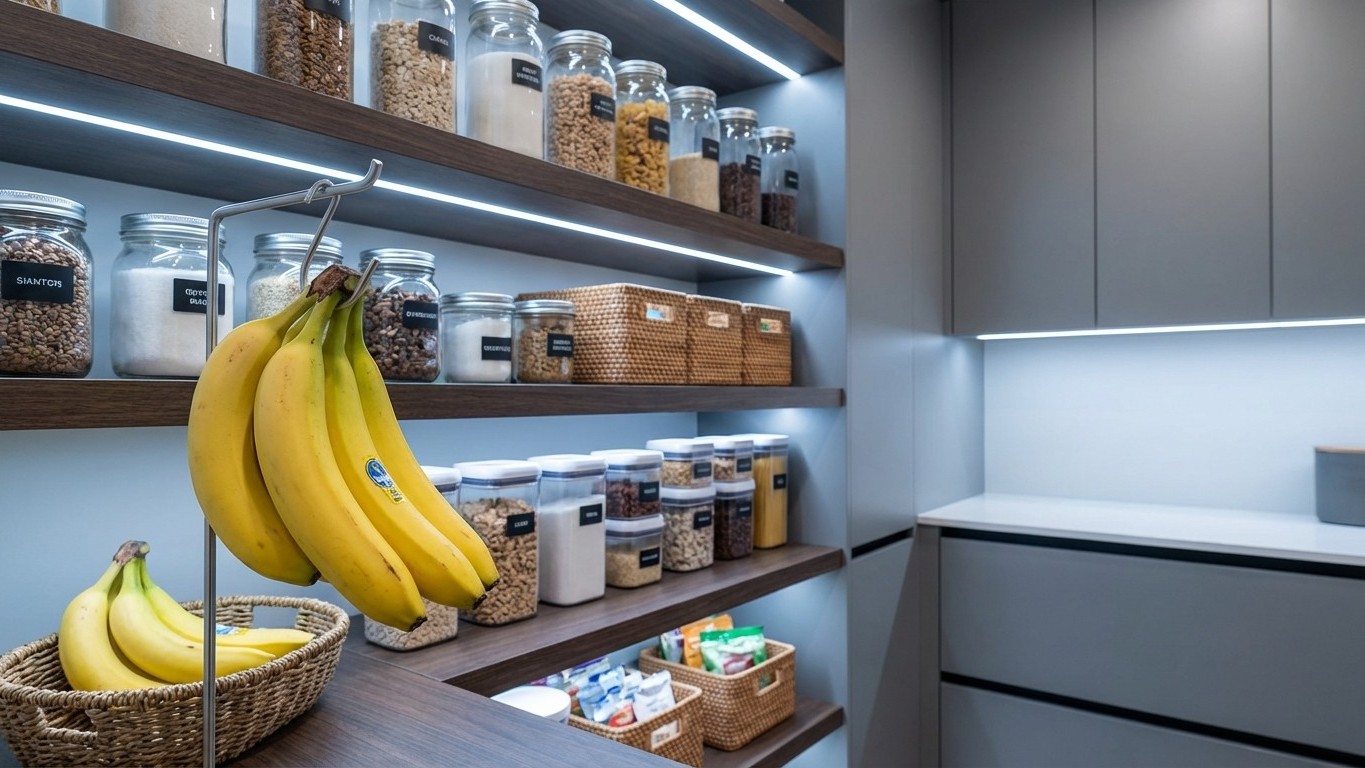
For most of my adult life, I thought I had fruit storage figured out. Bananas went in the fruit bowl on the counter, apples in the crisper drawer, and berries in the fridge. It seemed logical, straightforward, and frankly, I never questioned it. But a conversation with my grandmother last month completely upended everything I thought I knew about banana storage, and the results have been nothing short of transformative.
The revelation came when she mentioned, almost casually, that she’d been hanging her bananas in the pantry for decades. Not on the counter, not in a bowl, but suspended from a simple hook in her cool, dark pantry. At first, I dismissed it as one of those quirky old-fashioned habits, but curiosity got the Better of me. What I Discovered changed not just how I store bananas, but how I think about fruit preservation entirely.
The Science Behind the Perfect Banana Storage
The key to understanding optimal banana storage lies in recognizing what makes them ripen so quickly in the first place. Bananas are climacteric fruits, meaning they continue to ripen after being harvested, producing ethylene gas that accelerates the ripening process. When bananas sit in a bowl touching each other, this ethylene becomes concentrated, creating a feedback loop that turns perfectly yellow bananas into spotted, overripe fruit within days.
Temperature plays an equally crucial role. While many people assume room temperature is ideal, bananas Actually-lengthens-lashes”>Actually prefer a slightly cooler environment than most kitchen counters provide. The optimal temperature range sits between 58-65°F, which happens to be Exactly what most pantries maintain. This cooler temperature slows down the enzymatic processes responsible for ripening without causing the chill damage that refrigeration can inflict on unripe bananas.
The pantry solution addresses multiple storage challenges simultaneously. By hanging bananas individually or in small clusters, you reduce the concentration of ethylene gas around each fruit. The cooler, more stable temperature of a pantry compared to a kitchen counter means less dramatic temperature fluctuations throughout the day. Additionally, pantries typically have lower humidity levels than kitchens, which helps prevent the moisture-related issues that can accelerate spoilage.
Why Your Kitchen Counter Might Be Working Against You
Kitchen counters seem like the obvious choice for banana storage, and there’s certainly convenience in having fruit visible and accessible. However, modern kitchens present several challenges that our grandparents’ kitchens didn’t face. Today’s homes are typically warmer, with better Insulation and heating systems that maintain higher average temperatures. Kitchen islands and counters often sit near heat sources like ovens, dishwashers, or sunny windows, creating micro-climates that can spike temperatures well above the ideal range for banana storage.
The aesthetic appeal of a beautiful fruit bowl can also work against optimal storage. When bananas are nestled together with other fruits, they’re not only concentrating their own ethylene production but also being Exposed to ethylene from other ripening fruits. Apples, avocados, and tomatoes are particularly prolific ethylene producers, turning your attractive fruit display into a ripening acceleration chamber.
Even the simple act of handling bananas more frequently when they’re prominently displayed can contribute to faster ripening. Each time someone moves or touches the fruit, they’re potentially creating small bruises or pressure points that become starting points for the browning process.
Implementing the Pantry Method: Practical Steps
Transitioning to pantry storage doesn’t require any special equipment or complicated setup. A simple adhesive hook attached to a pantry shelf or wall provides the perfect suspension point for banana bunches. The key is ensuring adequate air circulation around the fruit, so avoid cramming bananas into tight spaces or against walls.
For those without traditional pantries, any cool, dark area of your home can work. A basement storage room, a closet near an exterior wall, or even a cabinet that doesn’t sit adjacent to heat-producing appliances can provide the stable, cool environment that bananas crave. The important factors are consistent temperature, low light, and good air circulation.
Timing your banana purchases becomes more strategic with pantry storage. Since the ripening process slows significantly in cooler conditions, you can buy bananas that are slightly more mature than you might have previously. Green-tipped bananas that would typically be perfect for immediate consumption in counter storage will have extended life in pantry conditions.
The Results Speak for Themselves
After three months of pantry storage, the difference has been remarkable. Bananas that would previously last three to four days on my counter now maintain perfect eating quality for over a week. The ripening process becomes more gradual and predictable, allowing me to plan meals and snacks more effectively. Perhaps most surprisingly, the bananas seem to develop better flavor profiles, with sweetness developing more slowly and evenly throughout the fruit.
this simple storage shift has also reduced food waste significantly in my household. Instead of racing to use overripe bananas or reluctantly throwing them away, I Now have a reliable timeline that allows for proper meal planning. The consistent quality means fewer disappointing moments of biting into a banana that’s turned mealy or overly soft.
Sometimes the most impactful changes are the simplest ones. Moving bananas from counter to pantry requires no special investment, no complex procedures, and no significant lifestyle adjustments. Yet this small modification has transformed my relationship with one of the world’s most popular fruits, proving that sometimes the old ways really are the best ways. The next time you’re putting away groceries, consider giving your bananas the cool, dark retreat they truly deserve.