
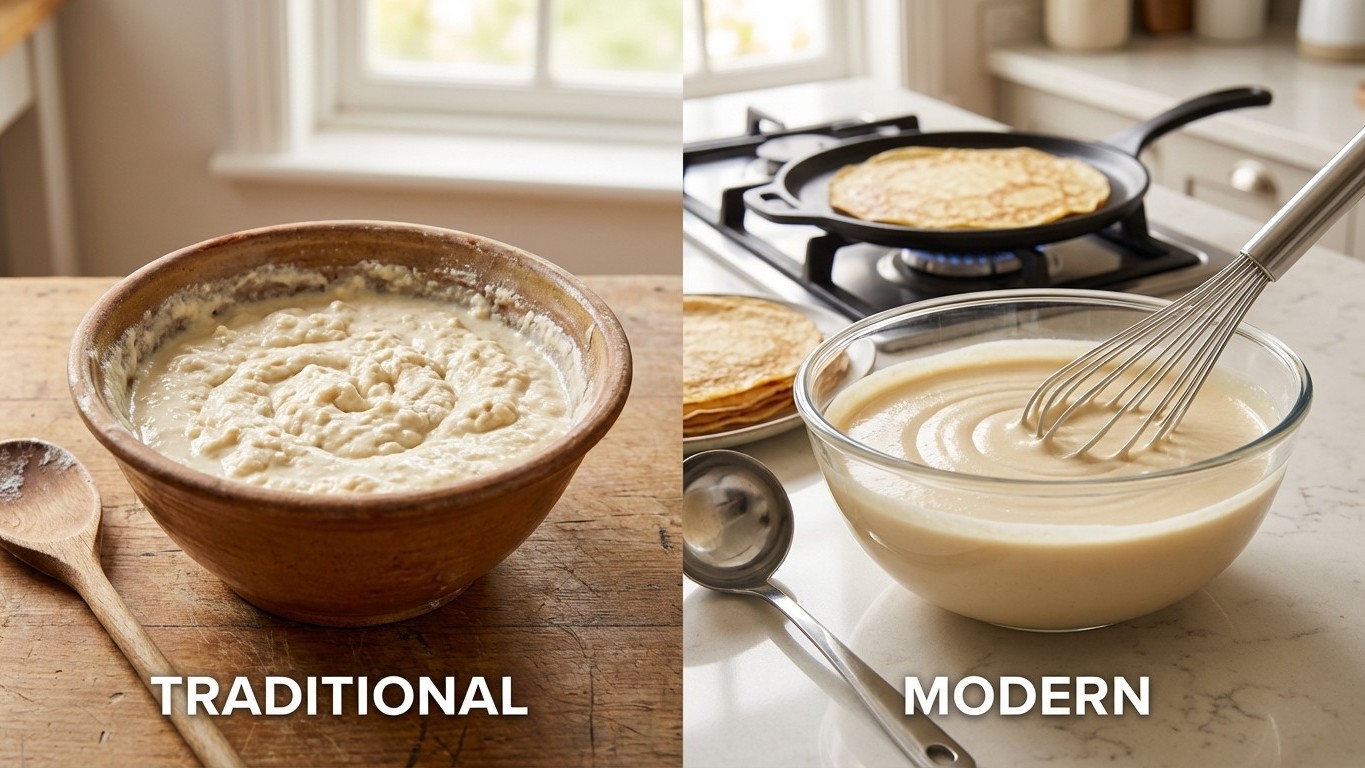
The frustration is universal: you’re craving those perfect, delicate crepes for Sunday brunch, but your batter looks like cottage cheese gone wrong. Those stubborn lumps seem determined to ruin your culinary masterpiece, no matter how vigorously you whisk. But Here’s the revolutionary news that’s transforming kitchens worldwide – a groundbreaking Without-or”>technique is set to make lumpy crepe batter a thing of the past by 2026.
This isn’t just another kitchen hack or wishful thinking from food bloggers. Professional pastry chefs and culinary scientists have been quietly perfecting what they call the “reverse hydration method,” and it’s about to change Everything-this-winter”>Everything-based-on-rose-type”>Everything-for-fabric-sofa-stains”>Everything we Thought-it-was-this-easy-i-Stopped-buying-glass-cleaners-since-i-discovered-this-brilliant-a”>thought-it-mattered-this-much-i-stopped-using-the-wrong-butter-in-my-cooking-since-i-learned”>thought we knew about crepe preparation. The technique is so elegantly simple-tool-that-unclogs-any-sink-drain-without-a-single”>simple that you’ll wonder Why No One thought of it sooner, yet so Effective that it guarantees silk-smooth batter every single time.
The Science Behind Perfect Crepe Batter
Traditional crepe recipes have Always-check-before-buying-a-coat-on-sale”>Always-end-up-tough-and-crumbly-even-when-you-follow-the”>always followed the same problematic pattern: combine dry ingredients, add wet ingredients, then fight the inevitable lumps that form when flour meets liquid. The issue lies in how flour particles interact with moisture – they create protective barriers around themselves, forming those notorious clumps that resist even the most aggressive whisking.
The revolutionary approach flips this process entirely. Instead of adding liquid to flour, the new method involves creating what culinary experts call a “flour suspension.” You begin by whisking your eggs with a small portion of the milk until completely smooth, then gradually incorporate the flour into this liquid base while continuously mixing. This prevents the flour particles from clumping together because they’re immediately surrounded by the protein-rich egg mixture, which acts as a natural emulsifier.
What makes this technique particularly brilliant is its foundation in food science. When flour meets the egg proteins first, rather than plain milk, the proteins help coat individual flour particles, preventing them from sticking together. The result is a batter so smooth it looks like silk, with no lumps in sight and no need for straining or resting periods.
Mastering the Revolutionary Technique
The beauty of this method lies in its simplicity, though precision in execution makes all the difference. Start with room temperature ingredients – this cannot be overstated. Cold eggs and milk create temperature differentials that can actually encourage lump formation, while room temperature ingredients blend seamlessly.
Begin by cracking your eggs into a large mixing bowl and adding approximately one-third of your total milk quantity. Whisk these together until the mixture is completely homogeneous – no streaks of egg white Should be visible. This creates your base suspension, the foundation that will prevent any lumping.
Here’s where the magic happens: instead of dumping all the flour at once, you’ll add it in a steady, thin stream while whisking continuously. Think of it like creating a mayonnaise – slow, steady incorporation is key. The flour should disappear into the liquid immediately, creating a perfectly smooth paste. Once all the flour is incorporated, gradually add the remaining milk, continuing to whisk until your batter reaches the ideal consistency.
The entire process takes no more than five Minutes-daily-since-age-50-what-her-cardiologist-discovered-after-one-year”>Minutes, yet the results are dramatically superior to traditional Methods. Professional chefs who’ve adopted this technique report that their crepe success rate has increased to nearly 100%, with consistently smooth batters that cook evenly and produce those coveted paper-thin crepes Every Time.
Beyond Perfect Crepes: A Kitchen Revolution
This technique isn’t limited to crepes – it’s revolutionizing how we approach any batter-based recipe. Pancakes, waffles, and even certain cake batters benefit from this reverse hydration method. The principle remains the same: create a liquid base with eggs and some of the liquid ingredients, then gradually incorporate dry ingredients to prevent clumping.
Food industry professionals are already predicting this will become the standard method taught in culinary schools by 2026. home cooks who’ve discovered the technique are sharing their success stories across social media platforms, with many claiming they’ll never go back to traditional mixing methods.
The environmental impact is also noteworthy. No more wasted batches of lumpy batter heading Down the Drain, no need for multiple strainers or additional equipment, and significantly reduced food waste in both professional and home kitchens. It’s a win-win situation that combines culinary excellence with sustainability.
As we look toward 2026, this simple yet revolutionary technique promises to eliminate one of cooking’s most persistent frustrations. The days of lumpy crepe batter are numbered, replaced by a foolproof method that delivers restaurant-quality results in Your own kitchen. Your Sunday brunches will never be the same – and your guests will wonder how you achieved such consistently perfect crepes. The secret? You’re simply ahead of the curve on what’s destined to become the new standard in crepe preparation.