
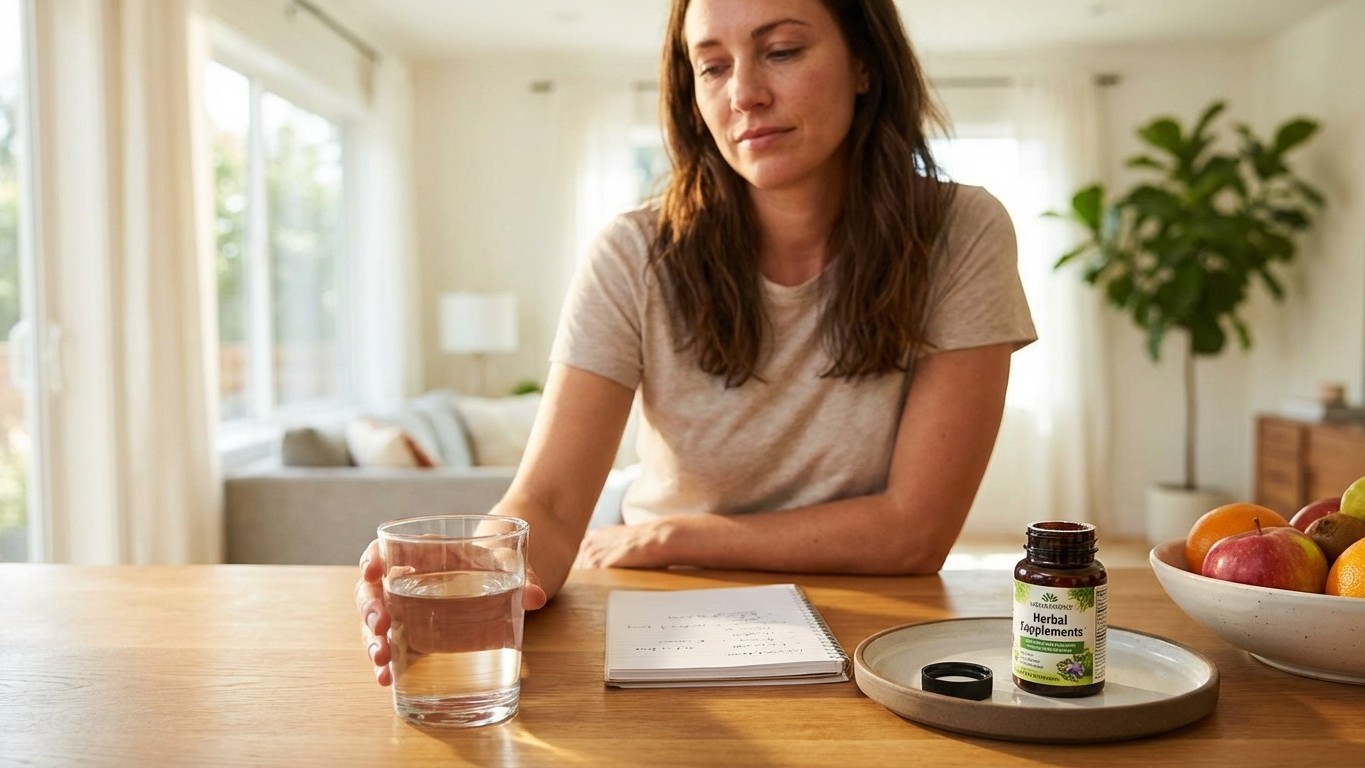
You’ve been sipping water throughout the day, checking off that mental box of “staying hydrated,” yet something feels off. Maybe it’s that persistent afternoon brain fog, the way your skin looks dull despite your skincare routine, or those mysterious headaches that seem to come from nowhere. What if I told you that despite your best efforts, your body is quietly crying out for more water through signals you’d never suspect?
Recent research from the European Food Safety Authority Reveals that even mild dehydration—as little as 2% fluid loss—can significantly impact both Physical and cognitive performance. Yet most of us are walking around in a state of chronic mild dehydration without Realizing It, missing the subtle but crucial signs our bodies are sending.
The Surprising Truth About Modern Hydration
Here’s where it gets fascinating: drinking water isn’t just about quantity—it’s about timing, absorption, and recognizing that our modern lifestyle creates unique hydration challenges. Air conditioning, heating systems, increased screen time, and even our beloved Mistake“>Morning coffee all contribute to fluid loss in ways our ancestors never experienced.
Dr. Amanda Carlson, director of performance nutrition at Athletes’ Performance, explains that many people actually-makes-you-look-younger”>Actually-makes-you-look-younger”>Actually-makes-you-look-younger”>Actually-explains”>Mistake thirst for hunger, leading to unnecessary snacking when what the body actually craves is hydration. This confusion stems from the fact that both hunger and thirst signals originate from the Same part of the brain—the hypothalamus.
One of the most overlooked signs? That 3 PM energy crash you blame on lunch. When your body is even slightly dehydrated, it has to work harder to circulate blood and deliver oxygen to your organs. The result? Fatigue that feels inexplicable, especially when you’re convinced you’ve been drinking plenty of water.
The Hidden Language of Dehydration
Your mouth isn’t dry, your urine seems fine, but your body is speaking in whispers. Joint stiffness in the morning could be your cartilage lacking the fluid it needs to cushion your bones effectively. That skin on your hands that seems to be aging faster than the rest of you? It’s often the first place dehydration shows up, as the body prioritizes sending water to vital organs over maintaining skin elasticity in extremities.
Digestive issues present another surprising connection. Your stomach produces about two liters of digestive juices daily, and when you’re not adequately hydrated, this process becomes sluggish. Constipation, bloating, and that heavy feeling after meals can all trace back to insufficient fluid intake, even when You Think you’re drinking enough.
Temperature regulation becomes compromised too. If you find yourself feeling unusually cold or struggling to warm up, or conversely, overheating more easily than usual, your body’s natural cooling and warming systems might be hampered by inadequate hydration. This is particularly relevant for women experiencing hormonal changes, where hydration needs can fluctuate significantly throughout monthly cycles.
Perhaps most surprisingly, mood changes often correlate with hydration status. A study published in the Journal of Nutrition found that mild dehydration led to increased anxiety, tension, and difficulty concentrating in young women. The connection between hydration and neurotransmitter function is more direct than many realize.
Beyond the Basic Eight Glasses
The traditional “eight glasses a day” rule oversimplifies hydration needs. Your individual requirements depend on factors like climate, activity level, overall health, and even the foods you eat. Someone Living in a dry climate, spending time in air-conditioned environments, or consuming high amounts of caffeine needs significantly more water than someone in a humid environment with a diet rich in water-containing foods.
The quality of your sleep offers another hydration clue. When you’re dehydrated, your body produces less melatonin, and the sleep you do get is less restorative. If you’re waking up feeling unrested despite adequate sleep time, hydration might be the missing piece of your wellness puzzle.
Muscle cramps and that feeling of weakness during exercise aren’t just about electrolyte imbalance—they’re often the result of insufficient overall fluid intake in the hours and days leading up to physical activity. Your muscles are about 75% water, and even small decreases in hydration can significantly impact strength and endurance.
Recalibrating Your Hydration Strategy
The solution isn’t simply drinking more water—it’s about optimizing absorption and timing. Starting your day with a large glass of room temperature water helps jumpstart your metabolism and begins the rehydration process after hours without fluid intake. Adding a pinch of high-quality sea salt or a few drops of lemon can enhance absorption significantly.
Pay attention to your body’s rhythms. Many people front-load their water intake early in the day and then taper off, leading to afternoon dehydration. Consistent, steady intake throughout the day maintains optimal hydration levels without overwhelming your kidneys.
Consider the foods on your plate as part of your hydration strategy. Cucumbers, watermelon, soups, and even Yogurt contribute significantly to daily fluid intake. Conversely, processed foods high in sodium can actually increase your hydration needs.
The next time you feel off without an obvious cause, pause and ask yourself: when did you last have a proper drink of water? Your body might be speaking in whispers before it starts shouting, and learning to listen to these subtle signals can transform how you feel every Single day. True wellness isn’t just about the big, obvious health choices—sometimes it’s about honoring the simple, fundamental needs that we’ve somehow learned-what-french-grandmothers-actually-do-with-it”>learned to ignore.