
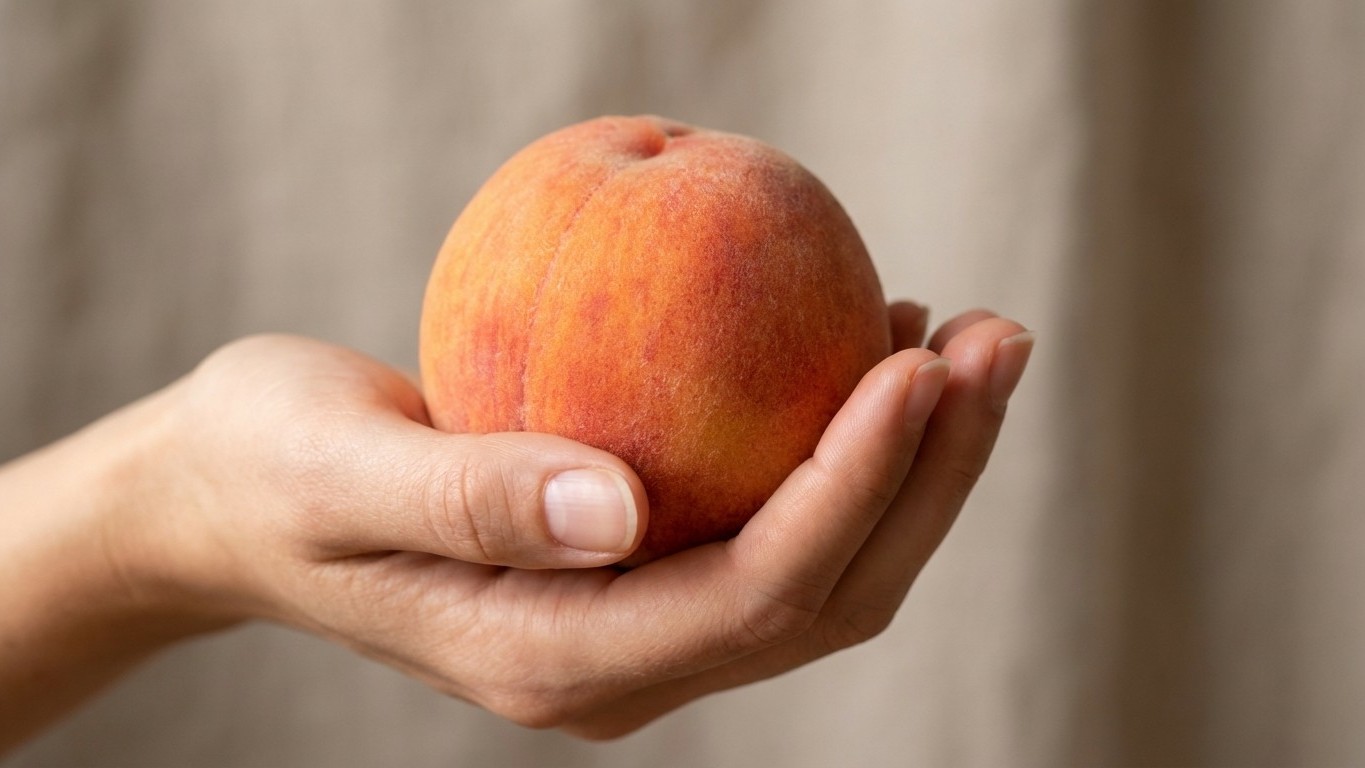
The French don’t end a meal with a bowl of berries. They end it with a digestif, a sliver of cheese, an espresso. Fruit, in the French nutritional tradition, comes before the table is fully set, not after the last plate is cleared. This isn’t aesthetic minimalism or culinary snobbery. There’s a concrete physiological logic behind it, and it’s one that modern science is only now catching up to.
Key takeaways
- Fruit eaten after a meal can ferment in your stomach, causing bloating and digestive discomfort — especially if you’re part of the 50% with fructose malabsorption
- The French eat fruit at the beginning of meals or between meals, not at the end, for a specific metabolic reason backed by hormone science
- Eating fruit first triggers significantly higher GLP-1 satiety signals, reducing subsequent calorie intake by up to 166 calories per meal
What Actually Happens When You Eat Fruit After a Full Meal
The premise sounds innocent: you’ve just had dinner, you want something sweet, you grab a peach. Reasonable, right? The problem is mechanical. Your stomach has already begun the digestive process, and because fruit is meant to be digested in the intestine, it ends up waiting alongside the rest of the food. While it waits, it may begin to ferment, which can cause possible bloating and stomach swelling. This is the core of what French nutritionists have long Understood intuitively, and what their practice reflects structurally.
Fruit has a relatively high sugar content, including glucose, fructose, sucrose, and starch. If eaten after a full meal, this sugar may not be absorbed efficiently into the digestive system. Instead, it can ferment in the stomach, producing acid and leading to bloating, distension, and indigestion. The timing matters not because your body is fundamentally incapable of handling fruit post-meal, but because the conditions are simply less favorable. Think of it like trying to merge onto a freeway after traffic has already built up: the system works, but not efficiently.
Because fruit is rich in carbohydrates, pairing it with a meal that was also high in sugar, such as pasta with Bolognese sauce, a sandwich, or a sweet tart, can make digestion harder. On the other hand, after a meal like chicken breast, rice, or a salad, fruit may go down more easily because those dishes contain very little sugar. Context, as always, changes everything.
The Fermentation Myth (and Why It’s Only Partially a Myth)
Here’s where the counter-intuition comes in. The idea that fruit “rots” or “ferments” in the stomach when eaten with other foods is largely overblown, and mainstream dietitians are right to push back on the more dramatic versions of this claim. While the fiber in fruit can slow the release of food from your stomach, fruit does not cause food to sit in your stomach indefinitely. The small intestine spans around 20 feet, with over 320 square feet of absorptive area, which means getting the nutrients from fruit and the rest of your meal is manageable for your digestive system, regardless of when you eat it.
So why does it still matter? Because the concern isn’t catastrophic failure, it’s comfort, efficiency, and in certain populations, real physiological consequences. Sensitive individuals, especially those with fructose intolerance or irritable bowel syndrome (IBS), may experience gas or bloating after eating fruit. And it’s worth noting that fructose malabsorption occurs in about 50% of the population, where cells in the intestine have a hard time absorbing fructose. Half the population. That’s not a niche health condition — it’s a coin flip.
Apples, high in both fructose and fiber, can ferment in the large intestine, causing bloating and gas. Additionally, apples contain sorbitol, which can lead to poor absorption and Discomfort. So the next time someone dismisses post-meal fruit bloating as psychological, the data says otherwise.
The French Approach: Fruit First, Not Last
One of the most important habits in France is what they call “conscious eating.” That philosophy extends to food sequencing, not just food quality. Traditionally, dessert in a French dinner is oftentimes a fresh fruit, or a delicious pastry for special occasions, but fruit-as-dessert is the casual, understated version. The more deliberate nutritional advice points to fruit at the beginning of a meal, or well outside of meal windows entirely.
If you eat fruit about 20 minutes before lunch, it can help create a feeling of fullness. That late-morning hunger can be satisfied with a whole clementine or a kiwi, depending on the season. You can also add orange slices to a green salad and enjoy it as a starter, fruit is much easier to digest when eaten at the beginning of a meal. This positioning is strategic, not arbitrary.
The science backs the French instinct powerfully. Eating fruit before a meal reduced subsequent energy intake by 18.5%, roughly 166 calories — compared to a control group. The mechanism involves GLP-1, the same satiety hormone that modern weight-loss drugs attempt to mimic. Fruit intake before a meal produced a significantly higher incremental area under the curve for Glucagon-like peptide 1 (GLP-1), compared to after a meal. In plain language: eating fruit first triggers a fuller hormonal satiety response. The same fruit, consumed in a different order, delivers a measurably different result in your body. The result. Quietly remarkable.
So When Should You Actually Eat It?
The practical guidance converges on a few clear windows. You can eat fruit 2-3 hours after a meal, or ideally in the morning. Upon waking, the body needs energy, and the fructose in fruit is helpful for this purpose. A morning fruit bowl paired with protein, like yogurt or eggs, is one of the most metabolically coherent combinations you can build. Pairing fruit with protein or healthy fats such as yogurt, nuts, or eggs can help you stay full until your next meal.
The 40-minute window post-meal is one nutritionists consistently cite. For about 40 minutes after eating, it’s best to avoid fruits, whether whole or in juice form. That’s not forever, it’s the length of an episode of television. Waiting that short amount of time allows the stomach to process its primary load before introducing the rapid-digestion demand of fresh fruit.
For those managing blood sugar, the calculus shifts slightly but interestingly. Eating fruit alongside a food high in protein, fiber, or fat can cause your stomach to release food into the small intestine more slowly, meaning a smaller amount of sugar enters the bloodstream at a time, which may lead to a smaller rise in blood sugar levels overall. In this case, fruit integrated into a balanced meal can actually be preferable to fruit eaten alone on an empty stomach.
What the French get right, ultimately, isn’t a rigid rule, it’s the underlying awareness that when you eat is part of how you eat. The French tradition of leisurely, unhurried eating allows proper digestion and signals the mind that you are already full. Sequencing food thoughtfully is just one expression of that same attention. And here’s the detail that often gets lost in the broader debate: the ripeness of the fruit matters too. Overripe fruit, with its higher free-sugar content, ferments considerably faster in a full stomach than a firm, slightly underripe piece, which is precisely why market-goers in France still press their peaches before buying.
Sources : futura-sciences.com | journals.physiology.org