
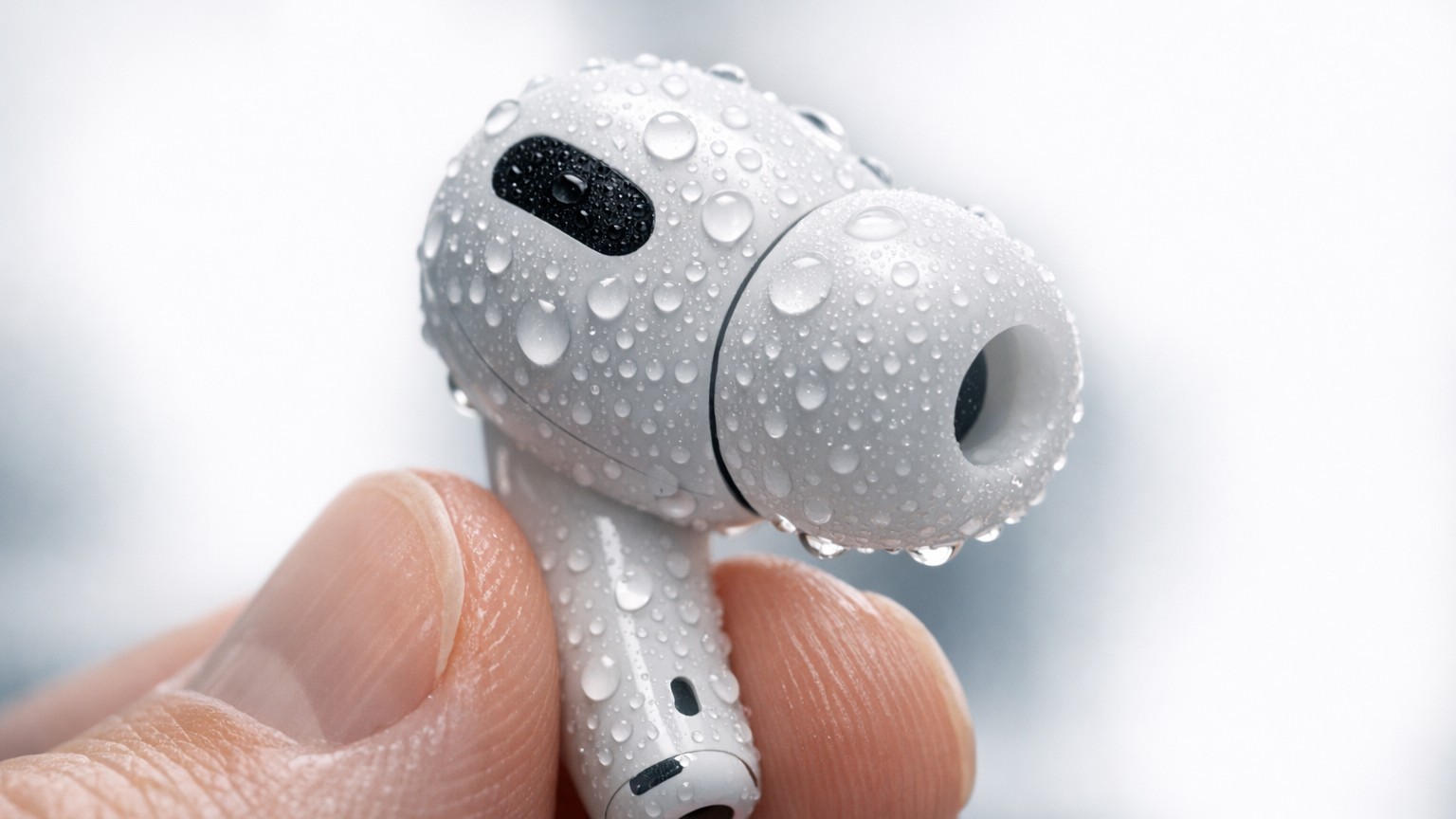
The earbud came out glistening. Not from rain, not from a workout, just from sitting in an ear for six uninterrupted hours while podcasts played, calls happened, and the day moved forward. The inside of the silicone tip was visibly damp. A doctor’s appointment the following week delivered the kind of information that changes a habit permanently: that warm, sealed pocket had become a petri dish, and the microscopic tenants growing inside it had a name.
This is not a fringe experience. It’s happening to millions of people who treat their earbuds like an extension of their body, constant, invisible, unremarkable.
Key takeaways
- Your earbuds don’t introduce bacteria—they create the perfect conditions for microorganisms already in your ear to multiply out of control
- Six hours of daily earbud use can trigger otitis externa, a painful ear canal infection with symptoms that mimic swimmer’s ear
- The wet earbud tip is your body’s first warning sign—ignoring it leads to antibiotic drops and mandatory three-week breaks from audio devices
What’s Actually Growing in There
Your ears produce wax naturally to trap dirt and germs, but in-ear devices create a warm, moist seal that traps moisture and wax, and that environment becomes a breeding ground for bacteria and fungi. The specific organisms matter. Swabs from everyday earbuds often reveal bacteria like Staphylococcus aureus and E. coli — pathogens linked to skin infections and more serious issues. But it doesn’t stop at bacteria. Warm, humid conditions from in-ear earbuds may allow fungi like Aspergillus or Candida to grow, the same fungi responsible for athlete’s foot and oral thrush. Finding either of those in your ear canal is, medically speaking, not a fun Tuesday.
The counter-intuitive part? A common misconception is that people think there is bacteria on the earbuds themselves when in fact, the bacteria is already in the ear. The earbuds don’t import the problem from outside, they simply create the conditions that allow your own ear’s resident microorganisms to overpopulate. Your body, handed the right environment, does the rest.
Research indicates that bacterial levels in the ear may increase significantly after just one hour of continuous earbud use. The most common culprits include Staphylococcus aureus and Pseudomonas aeruginosa, both of which thrive in these conditions. Six hours a day, every day, for an entire spring season? That’s not a listening habit. That’s an incubation protocol.
The Mechanism: Why Six Hours Is a Different Category
The seal created by in-ear earbuds traps moisture and natural ear secretions that would normally evaporate or drain away. The ear canal maintains a specific temperature of around 98.6°F and a carefully balanced humidity level, and when earbuds block airflow, these conditions change dramatically. Think of it less as wearing audio equipment and more as sealing a greenhouse over a sensitive ecosystem.
Wearing in-ear devices for extended periods can also interfere with the ear’s natural “self-cleaning” function, aided by earwax. That’s the part doctors don’t mention often enough. Earwax naturally cleans your ear as it moves from the inside out, but if you spend a lot of time wearing earbuds, the wax can’t naturally exit your ear, and it gets trapped inside. The earwax backup then creates a secondary problem: frequent earbud use can push wax deeper, trapping moisture and bacteria.
An ear, nose and throat physician who treats ear infections five days a week noted that patients are wearing earbuds for many more hours per day than they used to, particularly since the rise in remote and hybrid work. His patients typically wear earbuds “in the neighborhood of six hours a day.” Right in line with what a spring of back-to-back calls, commutes, and evening playlists adds up to. Six hours stopped feeling like overuse, it felt like a normal Thursday.
What the Doctor Actually Finds
Using dirty earbuds could cause pimples or otitis externa, a painful infection of the ear canal that’s also known as swimmer’s ear. The name is misleading. You don’t need a pool. Research in Scientific Reports (2025) notes earbuds can promote otitis externa by trapping humidity and introducing germs. Swimmers get it because of moisture; earbud users get it for the exact same reason, just through a different route.
Otitis externa develops when the skin lining the ear canal becomes inflamed or infected by bacteria or fungi. Symptoms often include pain, itching, redness, discharge, and sometimes temporary hearing reduction. The wet earbud tip is one of the first physical signs that the environment inside the canal has shifted. By the time there’s visible moisture on the silicone, the bacterial count inside has likely already crossed a threshold worth addressing.
Treatment, when it gets to that point, is manageable but not trivial. “External ear infections are treated with either topical antibiotic drops, antifungal drops or a topical steroid drop depending on the suspected underlying cause of the problem.” Doctors typically recommend keeping the ears completely dry during treatment and avoiding earbud use until the infection completely clears, usually two to three weeks after symptoms resolve. Three weeks without earbuds, for someone who has been wearing them six hours daily, is a significant forced break. Most people only get there after they had to.
How to Realistically Fix This Without Giving Up Audio
The hygiene protocols are straightforward but rarely followed with consistency. Clean earbuds with 70% isopropyl alcohol or antiseptic wipes at least once a week, more often if you use them for exercise. If the earbuds have soft silicone tips, remove them and clean separately. Let all parts dry completely before using them again. The charging case, which most people never wipe down, is equally worth attention: make sure earbuds are completely dry before sealing them in a case, since moisture trapped inside will speed up bacterial growth.
Beyond cleaning, the design choice matters more than most people realize. Traditional in-ear earbuds sit directly in the ear canal and can trap heat and moisture, which increases the risk of irritation or infection. Open-ear headphones and earbuds are safer alternatives. For anyone already prone to ear issues, listening devices that don’t go into the ear, headphones that sit over the outside rather than inside, may help reduce the risk of ear infections.
And the usage pattern itself needs recalibrating. If symptoms start appearing, take short breaks from use, five to ten minutes per hour. Restricting headphone use to a few hours daily and giving ears time to rest and breathe is the kind of advice that sounds obvious until you realize you’ve been ignoring it for an entire season. The wet earbud tip is the body’s polite way of sending a message before it sends a louder one — the kind that ends with antibiotic drops and a three-week pause on Everything”>everything you’ve been listening to.
Sources : protektonline.com | harleystreetent.com