
After years of religiously Before“>drizzling olive oil into my pasta water, convinced it would prevent sticking and create silkier noodles, a conversation with a Michelin-starred chef completely revolutionized my approach to pasta cooking. The revelation was so Changes-everything-this-winter”>Changes–Everything-based-on-rose-type”>Changes-everything-for-fabric-sofa-stains”>Changes-everything-for-perfect-crepe”>Changes-everything-when-lashes-become”>simple–technique-changes-everything-about-how-we-the”>simple yet profound that I felt Almost-Everyone-pours-down-the-drain-is-kitchen-gold”>Everyone-skips-before-turning-on-a-backup-heater-could-save-your”>Almost embarrassed for having missed it all these years – and once you understand the science behind it, you’ll never look at pasta the same way again.
The chef’s words were direct and uncompromising: “Oil in pasta water is not just useless, it’s counterproductive.” He explained that oil floats on water’s surface due to density differences, meaning it never Actually coats the pasta during cooking. Instead, it creates a slick barrier that prevents sauces from properly adhering to your noodles later. This single insight explained Why My pasta dishes sometimes felt disconnected, with sauce sliding off instead of embracing each strand.
The Real Secret: Salt and Starch Management
What transformed my pasta cooking wasn’t what I Stopped adding, but what I Started doing differently. The chef’s technique centers on two fundamental principles: proper salting and strategic starch management. He taught me to salt the water generously – “like the sea,” he said – using roughly one tablespoon of salt per four quarts of water. This isn’t just for flavor; salt actually helps the pasta maintain its structure and creates microscopic surface textures that sauce can grip.
The second revelation involved pasta water itself. Instead of draining my pasta completely and discarding the starchy cooking liquid, I learned to reserve at least a cup of this “liquid gold.” The starch-laden water becomes a crucial ingredient for finishing sauces, creating that glossy, restaurant-quality finish where sauce and pasta become one harmonious dish rather than two separate components fighting for attention.
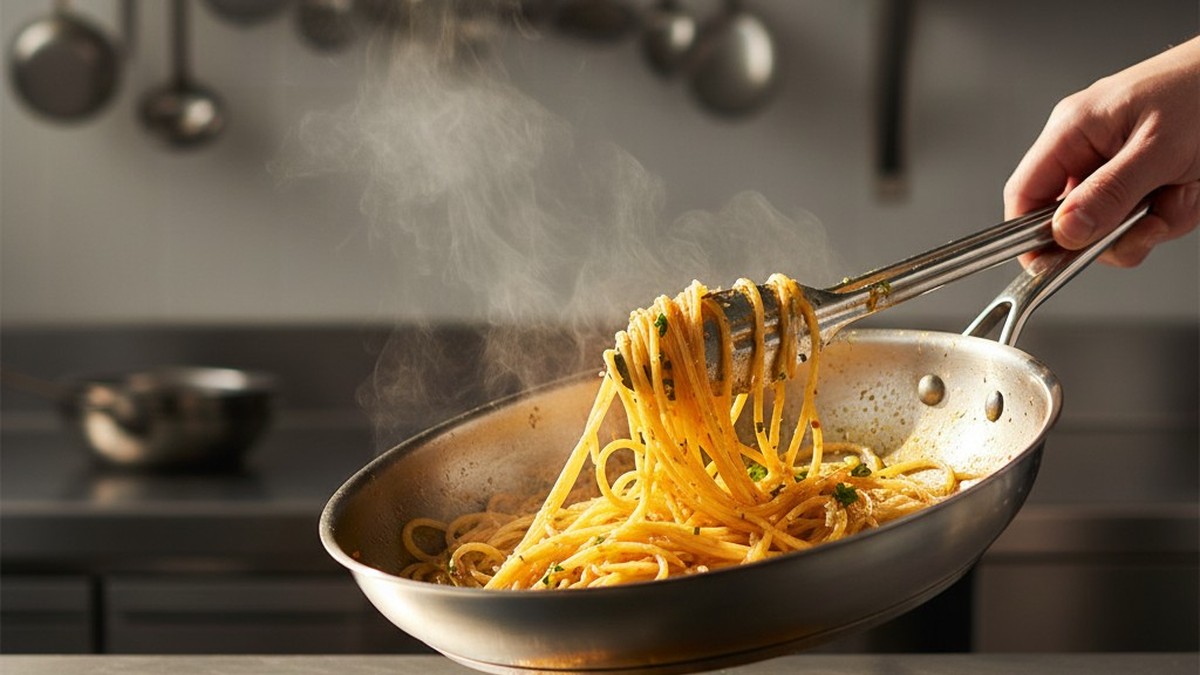
The technique requires precise timing. I now remove pasta one to two Minutes before the package directions suggest, when it’s still quite firm. This allows the pasta to finish cooking in the sauce, absorbing flavors while releasing its surface starches. The reserved pasta water gets added gradually, tablespoon by tablespoon, while tossing vigorously. The result is a silky emulsion that coats every surface Without-damaging-fabric”>Without feeling heavy or oily.
Understanding the Science Behind Perfect Pasta
The chemistry behind this method fascinated me Enough to research further. Pasta releases amylose and amylopectin – two types of starch – during cooking. When these starches combine with the pasta water’s salted environment and meet hot fat from cheese or sauce ingredients, they create natural emulsions. Adding oil to the cooking water disrupts this process, creating a barrier that prevents proper sauce integration.
Temperature control plays a crucial role too. The chef emphasized keeping everything hot – the pasta, the sauce, even the serving bowls. Cold surfaces cause starches to seize up, breaking the delicate emulsion you’ve worked to create. I now warm my serving bowls in a low oven and ensure my sauce is at the proper temperature before combining with the pasta.
The transformation in texture and flavor integration was immediately noticeable. Carbonara sauce now clings lovingly to each strand without becoming greasy. Simple aglio e olio achieves that perfect glossy finish that had always eluded me. Even basic tomato sauces seem more vibrant and cohesive, as if the pasta and sauce were always meant to be together.
Practical Applications and Advanced Techniques
This foundation opened doors to more advanced techniques. I learned to adjust starch concentration by controlling cooking water volume – using less water creates more concentrated starch, perfect for cream-free “creamy” sauces. For delicate preparations like cacio e pepe, I now use minimal water and finish the pasta entirely in a pan with reserved cooking liquid, creating that signature silky texture without any dairy beyond cheese.
The technique works across pasta shapes too, though each requires slight modifications. Long pasta like spaghetti and linguine benefit from vigorous tossing to distribute the starchy cooking water evenly. Short pasta shapes like penne and rigatoni need gentler folding to avoid breaking, but their hollow centers trap the enhanced sauce beautifully. Fresh pasta, with its higher moisture content, requires less cooking water and shorter finishing times.
Environmental benefits surprised me as well. Eliminating oil saves money and reduces waste, while the improved sauce adhesion means less sauce slides off onto plates, reducing both preparation quantities and cleanup time. The method also works beautifully with simple, high-quality ingredients, proving that technique often matters more than expensive additions.
Six months after adopting this approach, pasta night has transformed from a simple weeknight meal into something approaching restaurant quality. Friends notice the difference immediately, often asking what special ingredients I’ve added. The answer delights them: I’ve actually removed something and focused on technique instead. Sometimes the most profound changes come not from addition, but from understanding why less truly can be more. This chef’s wisdom didn’t just change how I cook pasta – it reminded me that culinary excellence often lies in mastering fundamentals rather than chasing shortcuts.