Sleeping tablets may hide dangerous breathing gaps at night

My father took the same little sleeping tablet every night for fifteen years: the night my mother timed the silences, we u...

For fifteen years, a father’s nightly sleeping tablet seemed harmless—until his insomniac mother counted the terrifying silences in his breathing. What she discovered in those pauses revealed a dangerous truth: the pill meant to help him sleep was actually masking a life-threatening condition.
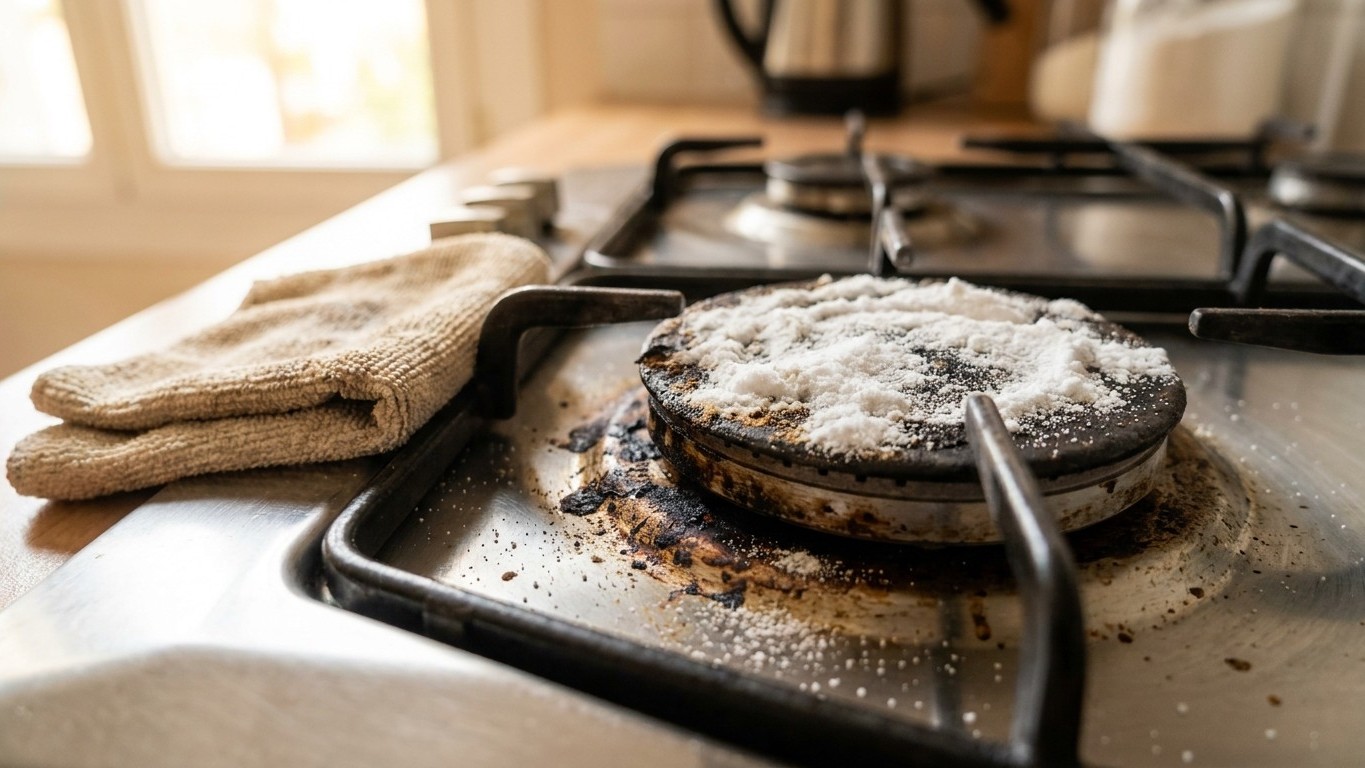

Why vinegar and bicarbonate are not the best fix for a burnt hob

I poured white vinegar over the bicarbonate on my burnt hob every week just to see it fizz: the day I scrubbed with the po...

For years, the ritual of pouring vinegar over baking soda and watching it fizz felt like real cleaning power. But chemistry reveals an uncomfortable truth: the foam is pure theater. The actual cleaner was always the unreacted powder left behind, and the vinegar was quietly sabotaging it.

What counting your breaths for a minute says about stress

Count how many breaths you take in one minute and write the number down: it's the test that shows what your body really do...

A simple one-minute breathing count reveals more about your stress response than any mood journal ever could. Your nervous system activates before conscious awareness kicks in—and your respiratory rate proves it. The surprising part? You can consciously change it back.

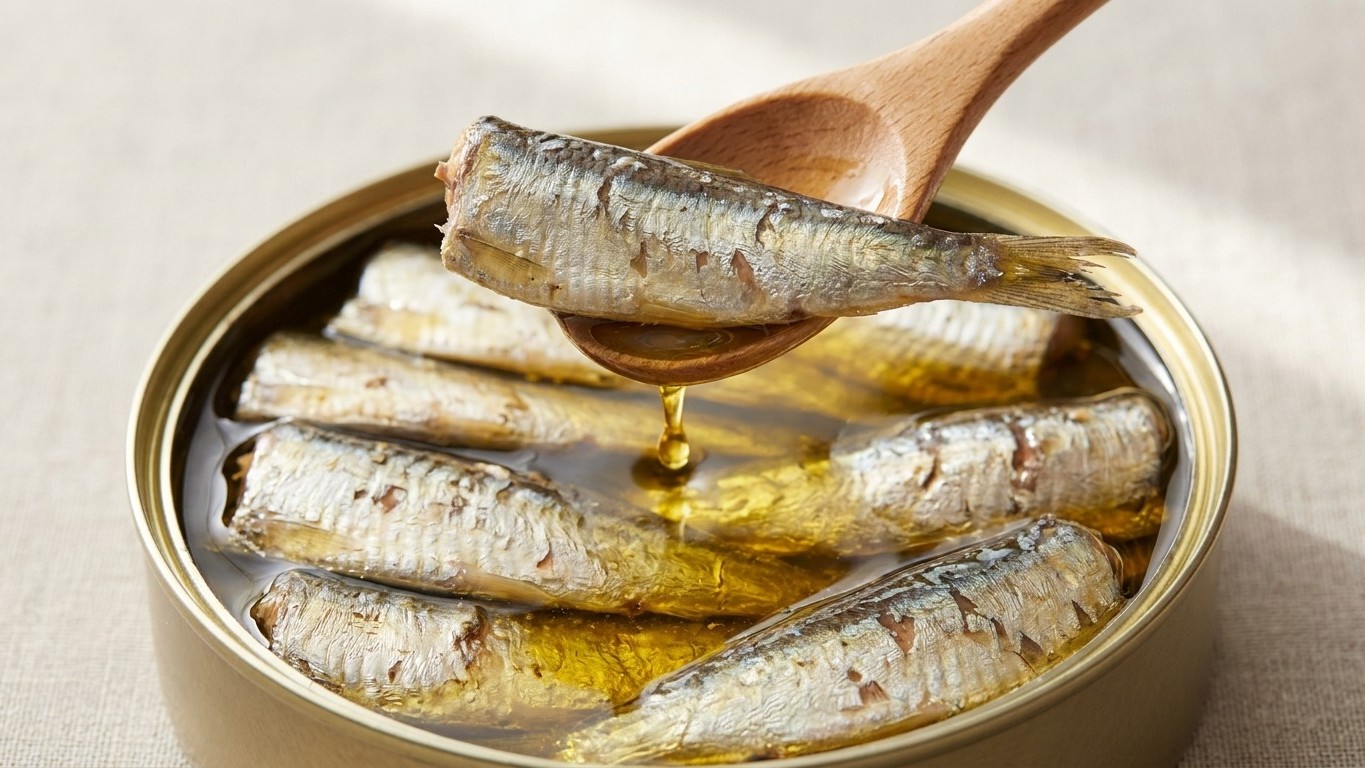
Why draining oil from sardine tins wastes omega-3

We all insist on buying sardines in oil for the taste, when it's what that oil quietly pulls out of the fish that ends up ...

That golden oil clinging to your canned sardines isn’t just flavoring—it’s a reservoir of omega-3 fatty acids that migrates from the fish during heat processing. Most people drain it away, unknowingly tossing out the very nutrients they bought the tin for. The solution is simpler than you think.

How a gut bacterium may help keep 18 kg off for years

She lost 18 kg and kept it off for four years: science has just understood what was living against her gut wall

A woman who lost 18 kilograms and maintained it for four years defied obesity research norms. Scientists now understand why: a remarkable gut bacterium called Akkermansia muciniphila living in her intestinal mucus layer. A groundbreaking 2026 trial shows this microbe could revolutionize weight maintenance for millions struggling with diet rebound.

Why storing vinyl records flat causes ring wear and damage

It's over for vinyl kept in flat stacks: what the pressure does to the PVC never comes back, and the sleeve leaves somethi...

Storing vinyl in flat stacks subjects records to crushing pressure that warps grooves at a molecular level—damage that never fully reverses. Even worse, the sleeves themselves can chemically attack the vinyl through plasticizer migration, leaving permanent residue no cleaning can erase.

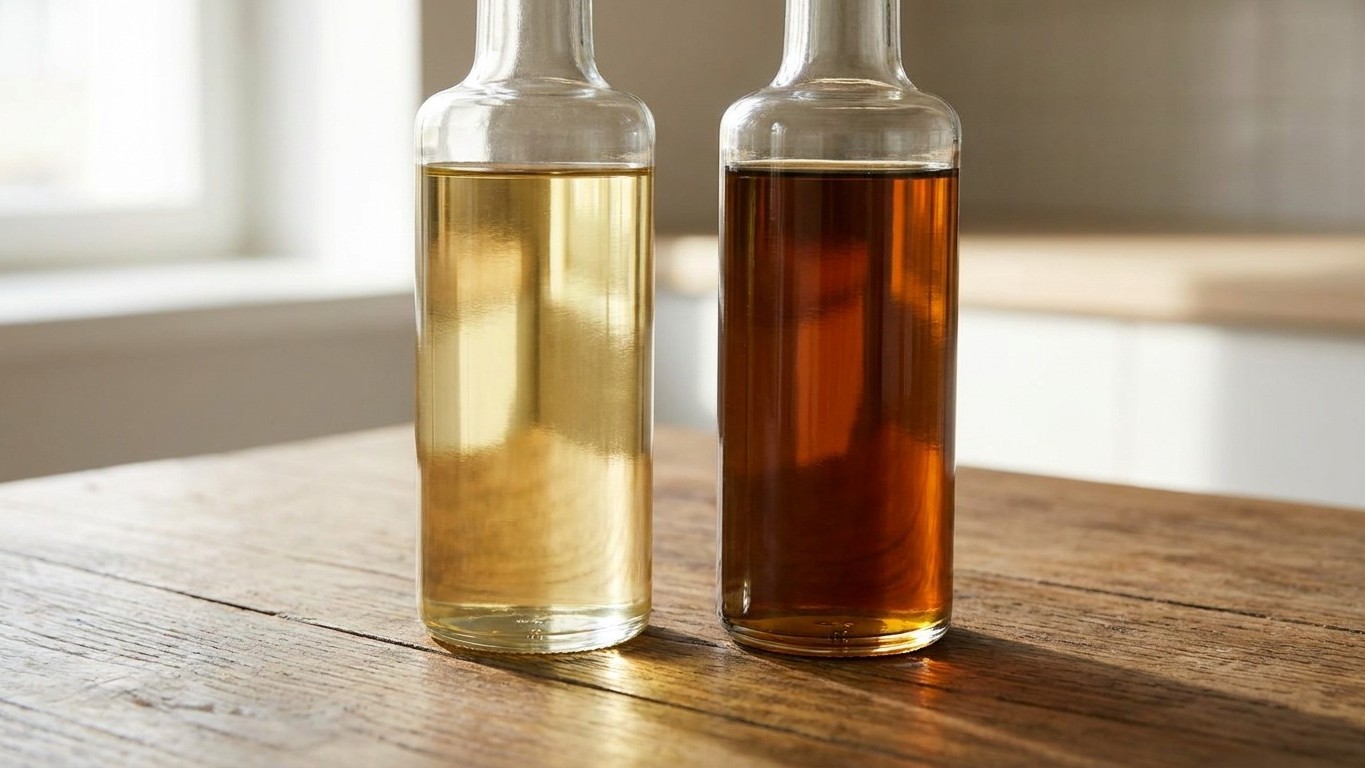
Why toasted sesame oil should not be used for frying

We all insist on frying the ginger in toasted sesame oil, when that one bottle is meant to go in at a moment nobody talks ...

That dark, fragrant bottle of sesame oil you’ve been frying ginger in? It’s breaking down at stir-fry temperatures and creating harmful compounds. Professional chefs know the secret: use refined sesame oil for the heat, and save the toasted version for one crucial moment that happens after cooking ends.

Why sniffing a hot-car water bottle misses plastic chemicals

We all insist on sniffing a bottle left in a hot car before drinking it, when it's what the heat quietly releases from the...

That reassuring whiff test before drinking from a hot car bottle? It’s completely useless. The chemicals actually leaching into your water—antimony and BPA—are completely odorless, meaning your nose detects bacterial funk while invisible toxins dissolve straight into your drink.