Why boiling water bath canning of courgettes is unsafe

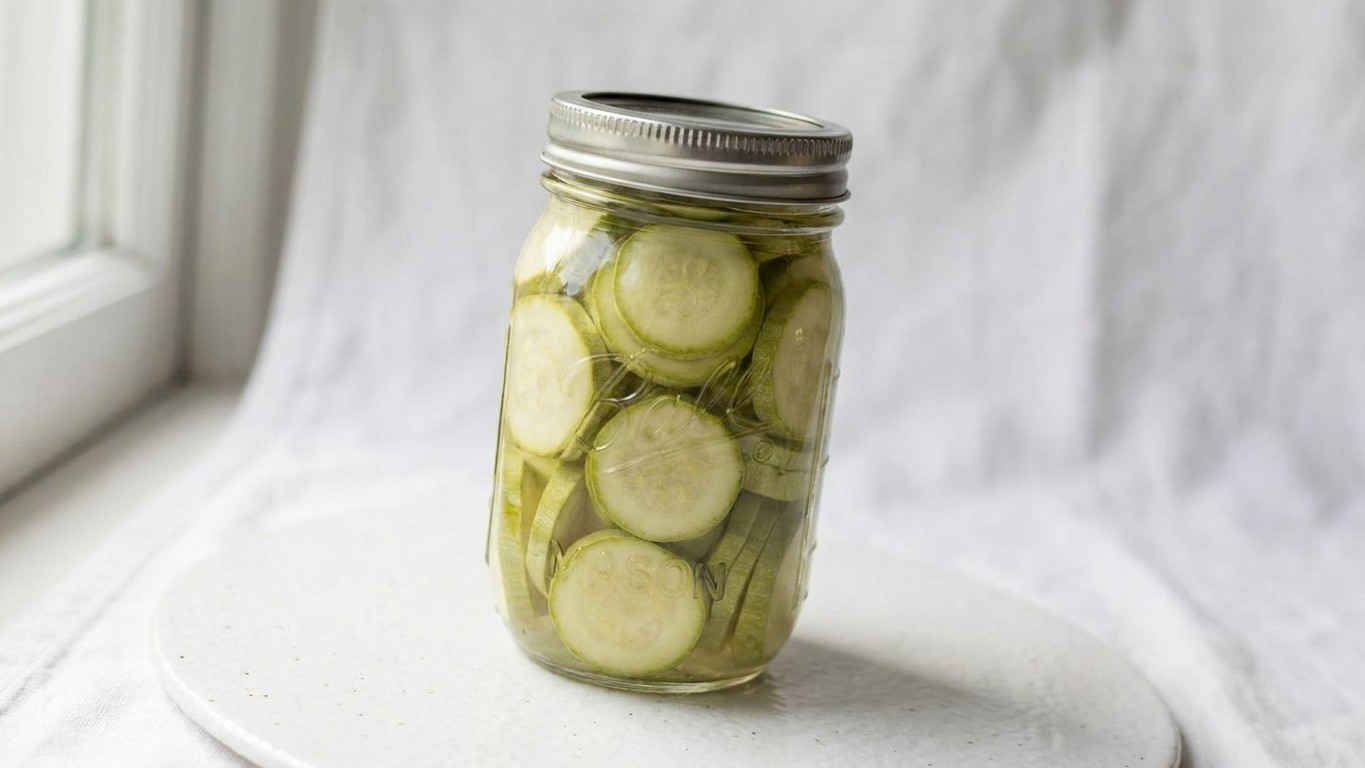
Decades of family canning recipes for courgettes are scientifically unsafe, and the danger is invisible. The USDA pulled its own zucchini canning instructions because boiling water simply cannot reach the temperature needed to kill botulism spores, yet the sealed jar creates a perfect breeding ground for the deadliest toxin on earth.

How staying up for one more episode affects your sleep

I fell asleep after midnight every night for two years just to finish one more episode: the week a wrist monitor tracked m...

Two years of staying up past midnight for ‘just one more episode’ seemed harmless—until a wrist monitor spent seven days counting the cost. The arithmetic is brutal: one stolen hour, repeated 730 times, equals an entire month of missing sleep, and your body keeps a ledger whether you’re watching or not.

Why spraying bed bugs on the bed frame makes it worse

We all insist on spraying bed bugs along the bed frame, when that one reflex is exactly what sends them into the skirting ...

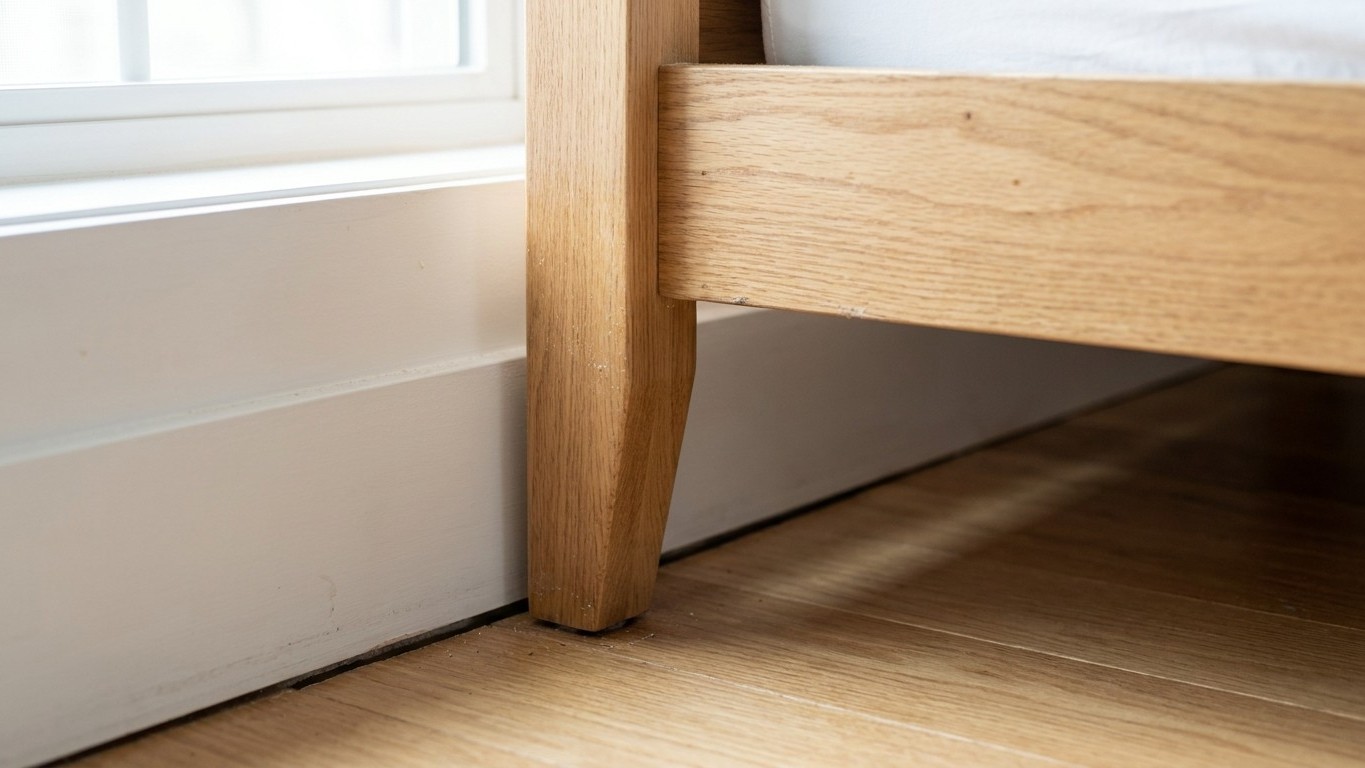
The instinct to spray your bed frame when bed bugs appear is the exact move that sends them scattering into baseboards and walls. Experts reveal why contact pesticides fail, how bugs travel between units in days, and why professionals use a completely different approach.

Bleeding gums linked to cognitive decline, dentists warn

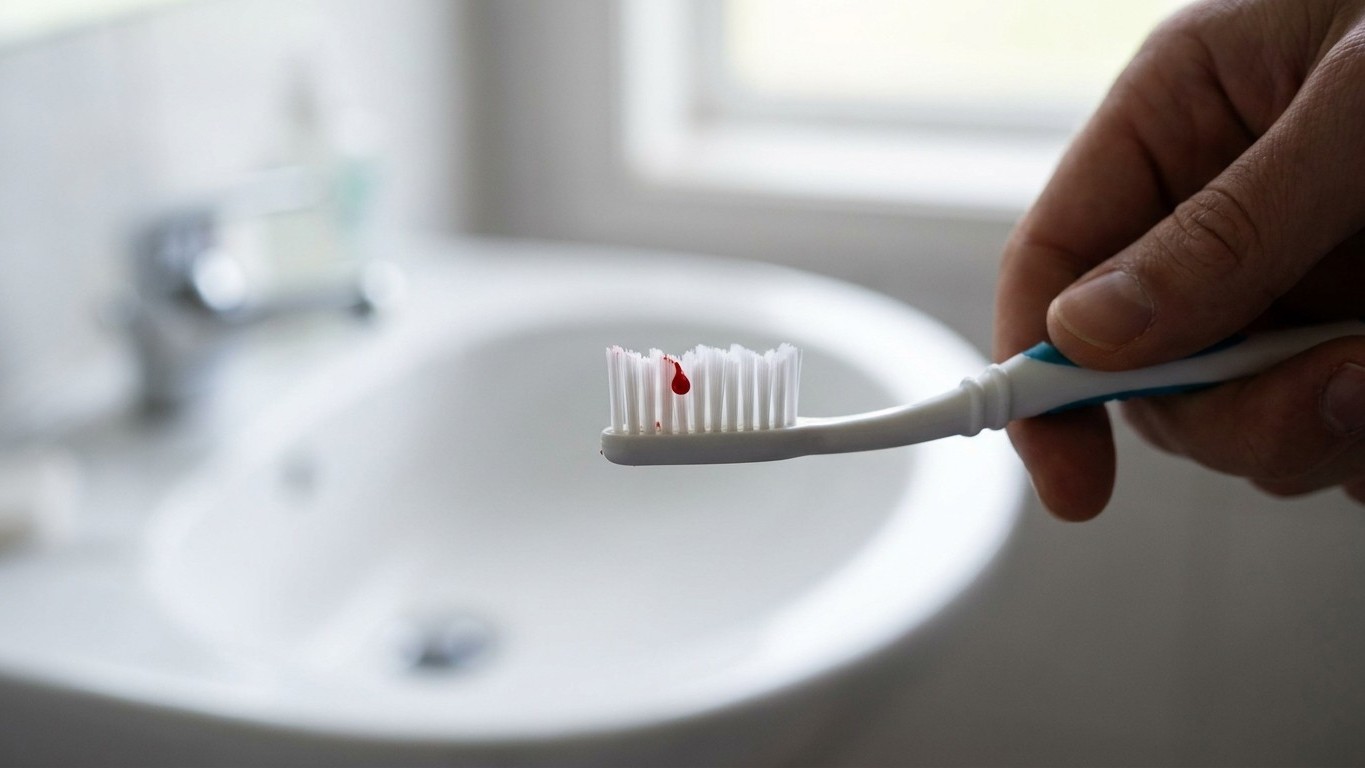
Dentists no longer treat a little blood on the brush as a harmless detail: what a laboratory found sitting next to the dep...

A mouth bacterium called Porphyromonas gingivalis is showing up in the brains of Alzheimer’s patients with alarming frequency. Research reveals it may actively destroy brain neurons and sabotage the brain’s own defense systems. The connection is so strong that developing Alzheimer’s risk may double within a decade of gum disease diagnosis.

Why white vinegar on bathroom grout can make dirt return

I poured neat white vinegar on my bathroom grout every week just to whiten it: two years on, I understood why the dirt was...

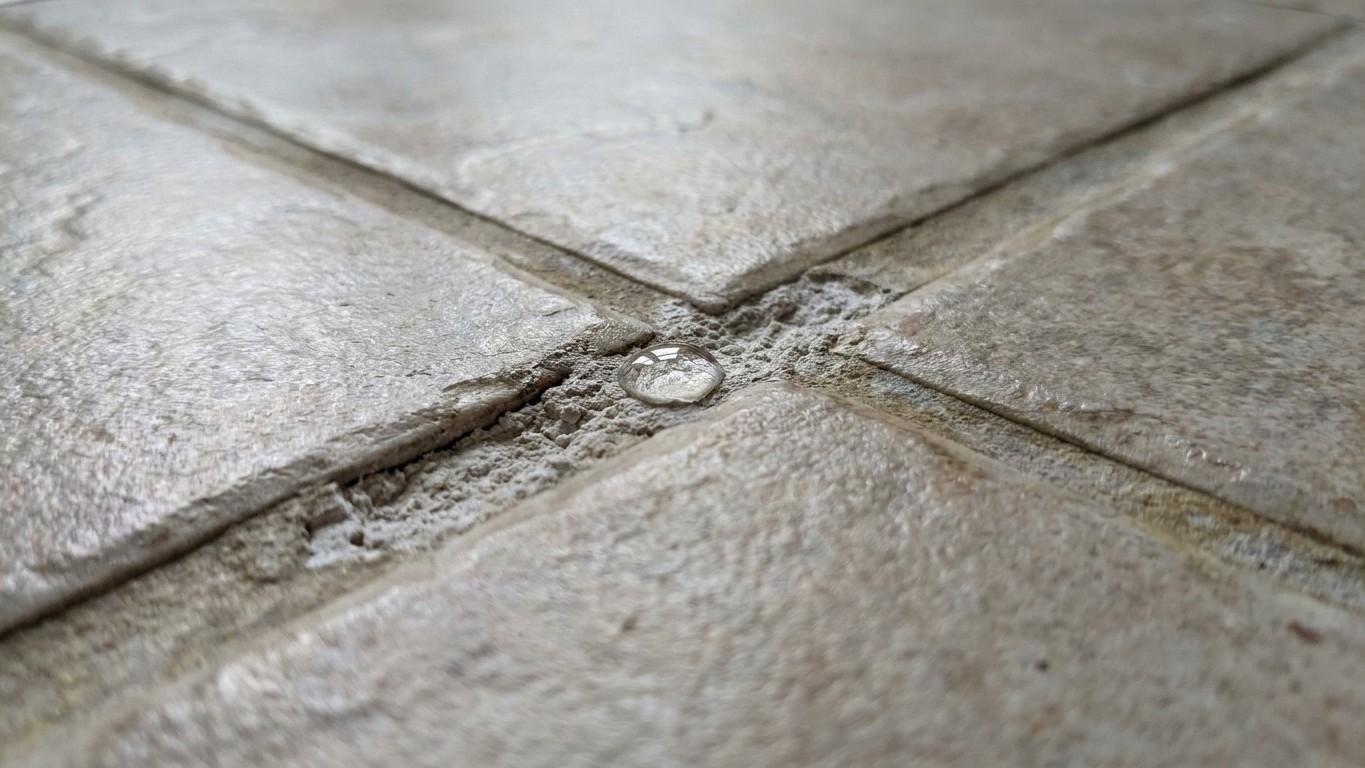
Two years of weekly vinegar treatments seemed to whiten bathroom grout—until it didn’t. What looked like a cleaning victory was actually acid slowly destroying the grout’s protective seal, making it a magnet for dirt. Here’s the chemistry behind the mistake.

Why a Datura seed in buckwheat flour survives cooking

It's over for cereal galettes eaten without a second thought: what a stray plant leaves in the grain doesn't break down on...

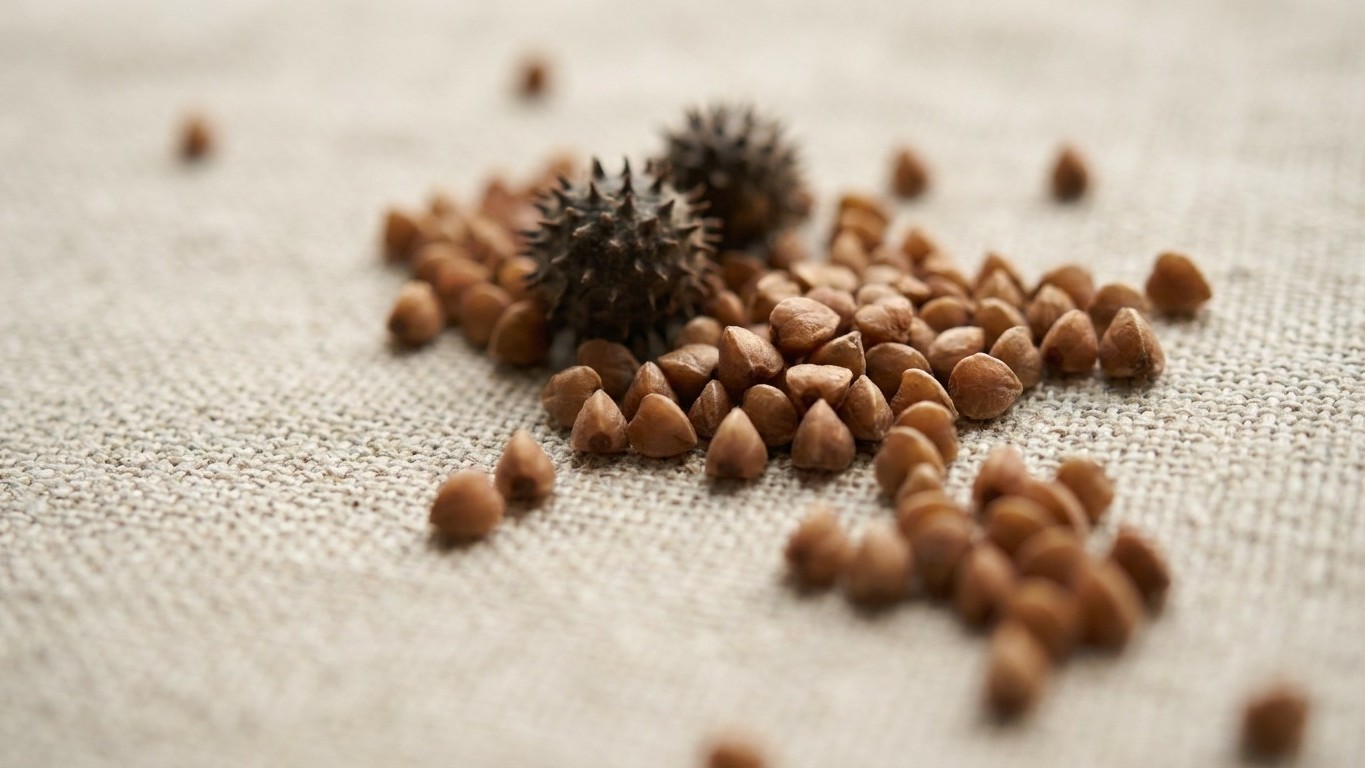
A single datura seed can slip through harvesting, survive griddle temperatures, and poison dozens of unsuspecting diners. Unlike most food contaminants, the tropane alkaloids in this nightshade weed resist heat completely—and organic buckwheat is statistically more vulnerable.

Why thawing frozen peas for salad lets bacteria wake up

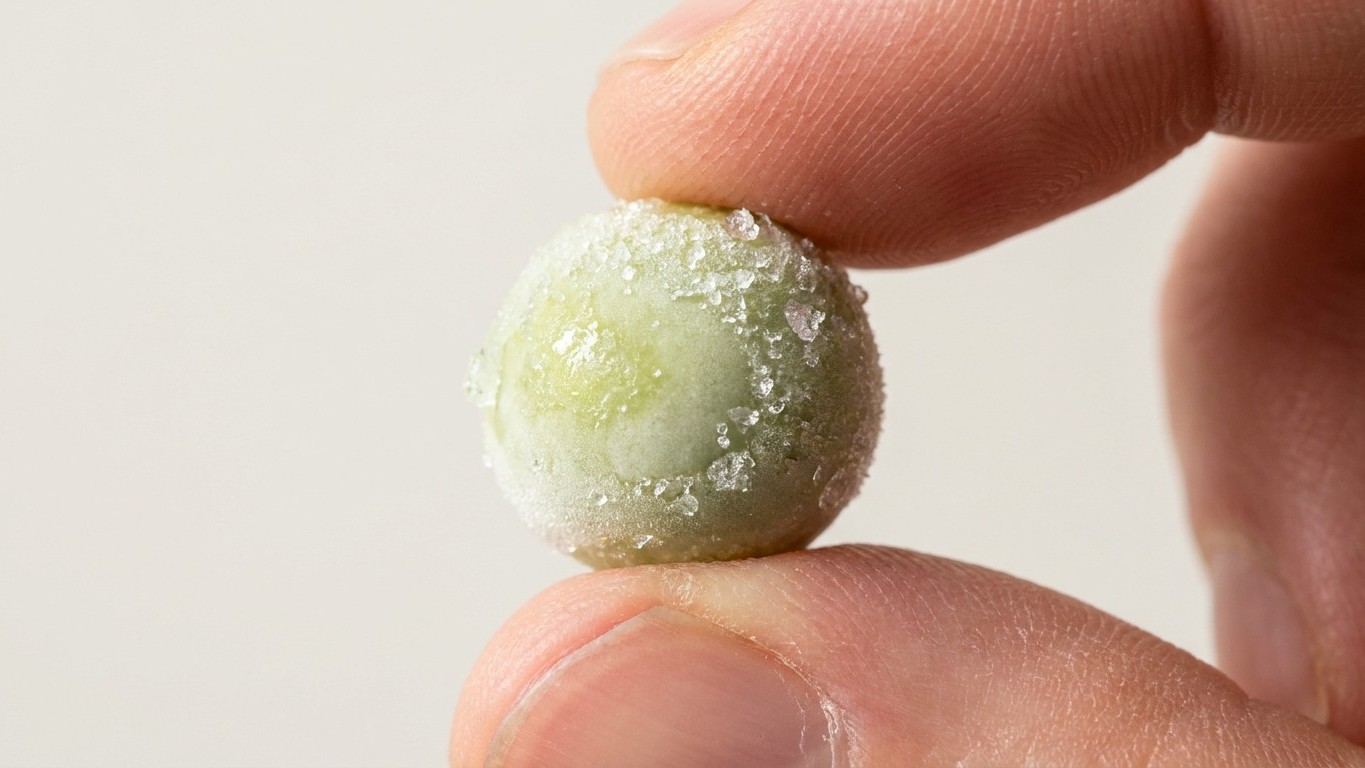
It's over for frozen peas thawed for a salad: what −18 °C only puts on pause starts up again in the bowl

That bag of frozen peas contains bacteria in suspended animation—and the moment they hit room temperature, they wake up and multiply rapidly. Discover why thawing at room temperature creates a bacterial danger zone and the simple techniques that actually work for safe, crispy salad peas.

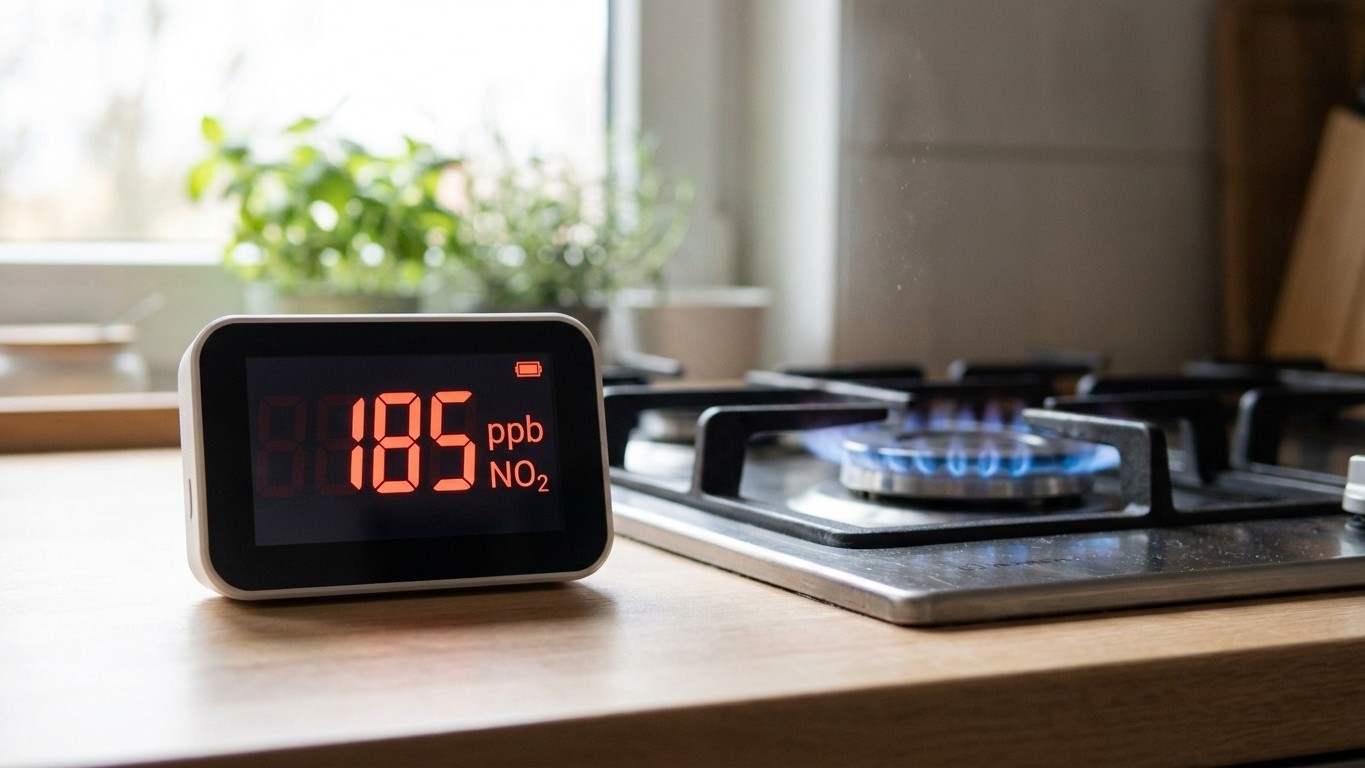
Why a filter-only hood does not catch gas stove nitrogen dioxide

I cooked on my gas burners under a filter-only hood for eight years just to avoid drilling through the wall: the day a met...

After eight years of cooking under a recirculating hood, a 24-hour air quality meter exposed the dangerous truth: the charcoal filter was capturing odors but allowing combustion gases—nitrogen dioxide, carbon monoxide, and formaldehyde—to silently accumulate in the home. What the numbers revealed about indoor air quality changed everything.