
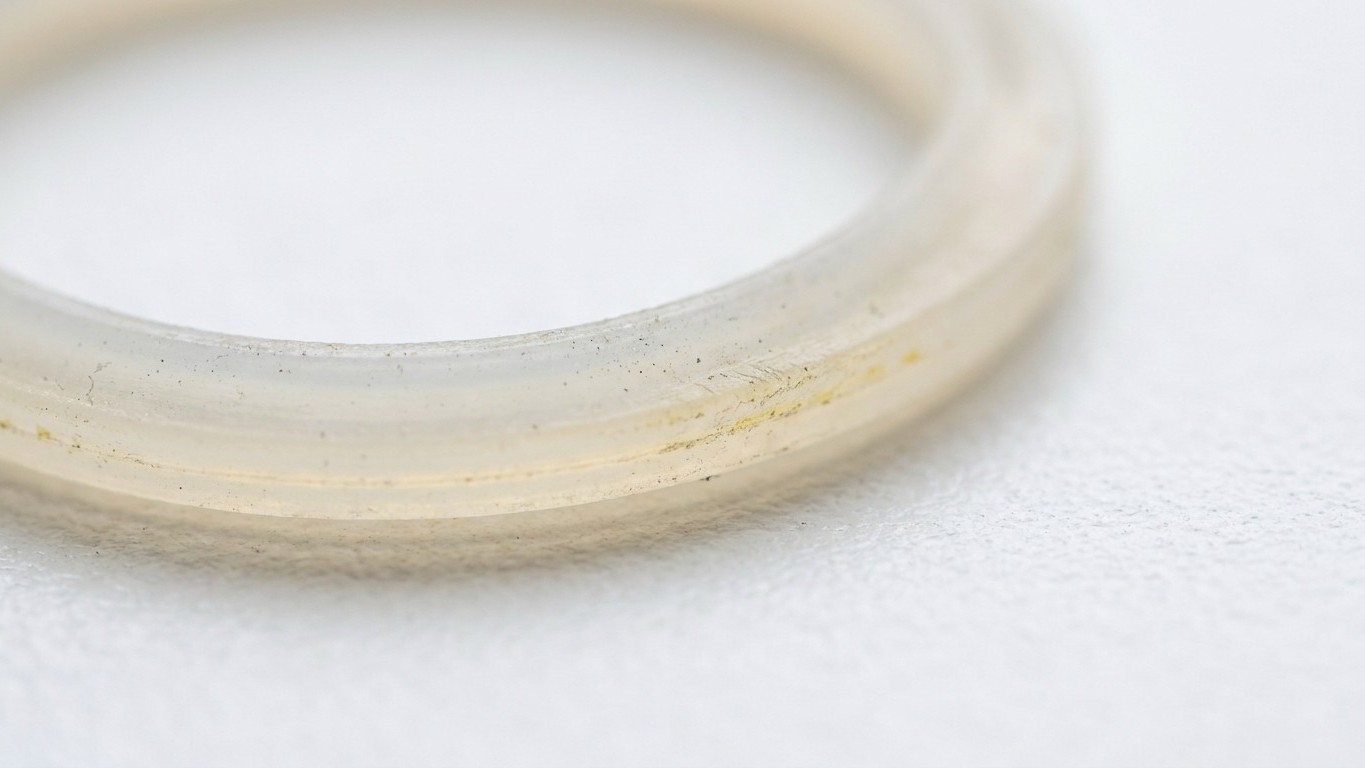
The tiny black ring hiding under your water bottle cap is not a design feature. Pull that silicone gasket out, the one you have never once separated from the lid, and look at it under good light. What you find there has a name, a biology, and a genuinely unpleasant smell. And you have been drinking right past it every single day.
Key takeaways
- The tiny silicone gasket under your cap seal is the dirtiest part of your water bottle
- Reusable bottles can harbor 40,000 times more bacteria than a toilet seat
- Most people never remove and clean the gasket, allowing biofilm to build up undisturbed
The Gasket Is the Problem Nobody Talks About
Most water bottle hygiene advice focuses on the main vessel: rinse it, scrub it, maybe run it through the dishwasher once a week. Solid advice, as far as it goes. But you won’t be able to prevent mold growth if you keep the silicone gasket inside the slider, still attached to the lid when you wash it. That groove is a sealed, dark, permanently moist environment, the exact conditions mold and bacteria need to thrive.
Design features like narrow necks, flip tops, straws, bite valves, and silicone gaskets create nooks where residue and biofilms hide. The gasket is architecturally perfect for this. It presses against the bottle threads every time you close the cap, trapping whatever was on your lips, your hands, or floating in the air. Then it sits there. Sealed. Warm. Wet.
Various microbes can transfer to water bottles and produce a slimy biofilm, which contains waterborne germs like bacteria, fungi, and amoebas that clump together and live in moist places. That slick, slightly grayish film you find when you finally pry out the seal? That is biofilm. A layered community of microorganisms that, once established, is significantly harder to eliminate than a simple rinse can handle.
What’s Actually Growing in There
The numbers are not flattering. A 2022 study found the average reusable water bottle harbors more bacteria than a toilet seat, on average, bottles contained 20.8 million colony-forming units of bacteria, that’s 40,000 times more than on a toilet seat. Forty thousand times. Sit with that for a moment.
Mold in your water bottle might look like black, brown, or greenish-colored patches that may appear fuzzy or slimy with a raised texture, while mildew might be gray, white, or light brown and generally rests flat on the surface of a damp area. In the cap seal specifically, the growth tends to appear as a dark, slightly crusty ring, easy to miss unless you specifically remove the gasket and inspect the groove beneath it. Which, frankly, most people never do.
Bacteria is attracted to the moisture in our mouths, which are home to roughly 700 species of microbes that include germs, bacteria, and fungus, some helpful, according to the National Institute of Health, while others can cause problems like tooth decay and gum disease. Every sip deposits a fresh inoculation directly into the cap mechanism. Over three years, without cleaning, the accumulation is not trivial. Individuals who are sensitive to mold may experience allergy flare-ups and respiratory problems based on the mold growing inside their water bottles, underneath the caps, inside the straws, and even on the rubber ring that goes around the bottom of many stainless-steel models.
Here’s the counter-intuitive part: stainless steel bottles, widely considered the premium choice, are actually safer from a microbial standpoint than plastic. Research found that stainless steel bottles had less microbial load buildup compared to PET bottles. The problem is not the bottle itself, it’s the silicone and rubber components attached to every lid, regardless of what the bottle is made of.
How to Actually Clean the Seal (Not Just Rinse It)
Many people rinse their bottle with water and assume that’s enough, but rinsing does very little to remove bacteria or biofilm. Without soap, friction, and thorough drying, bacteria remain and continue to grow. This applies double to the gasket, where water alone cannot reach the compressed groove.
The method that works: remove the seal completely. To clean a water bottle’s rubber seal, you can scrub it using a soft bottle brush, soapy water, vinegar, baking soda, or hydrogen peroxide. For the groove itself, a cotton swab or thin cleaning brush is the only tool narrow enough to do the job properly. A straw brush or cotton swab used to scrub the mouthpiece can also address dry skin from lips and lip products that accumulate there without anyone noticing.
For a deeper reset when the damage is already done: white vinegar can kill 82% of mold spores and other bacteria species in high-touch items such as bottle lids. Soak the disassembled gasket in undiluted white vinegar for 30 minutes, scrub, rinse thoroughly, and, this step matters, let it dry completely before reassembling. Moisture is the enemy. Let each piece dry fully before reassembling the bottle. Trapping even a drop of water inside a freshly washed seal restarts the entire cycle within 24 hours.
According to medical experts, you should give your water bottle a deep clean, breaking it down into parts, at least once a week, and at a minimum rinse out the bottle using warm water after every use. For the gasket specifically, weekly removal and cleaning is the standard. Silicone gaskets, seals, and reusable straws are critical areas prone to holding mold and biofilm. Remove these items weekly and scrub them intensely with a thin brush, and if they develop mold that cannot be removed, replace them immediately.
When Cleaning Is No Longer Enough
There is a point of no return. Silicone is porous, and over years of use, pigmentation from mold can penetrate the material itself, no amount of scrubbing will restore a gasket that has turned permanently gray or black. While weekly cleaning can keep your bottle hygienic, wear and tear eventually make effective cleaning impossible. Replacement gaskets cost almost nothing and are sold separately for most major bottle brands. The seal on a three-year-old, never-washed cap is not a cleaning problem anymore. It’s a replacement problem.
A simple stainless steel bottle with a screw-on lid and minimal components is easier to clean and more likely to be washed regularly : “the simpler the bottle, the easier it is to clean.” The bottles with the most Instagram appeal, elaborate flip mechanisms, built-in straws, multi-piece lids, are, by design, the hardest to keep sanitary. Beauty and hygiene, as it turns out, are not always aligned. Something worth considering the next time a new water bottle catches your eye at the store.
Sources : ultra-fresh.com | thehydrojug.com