
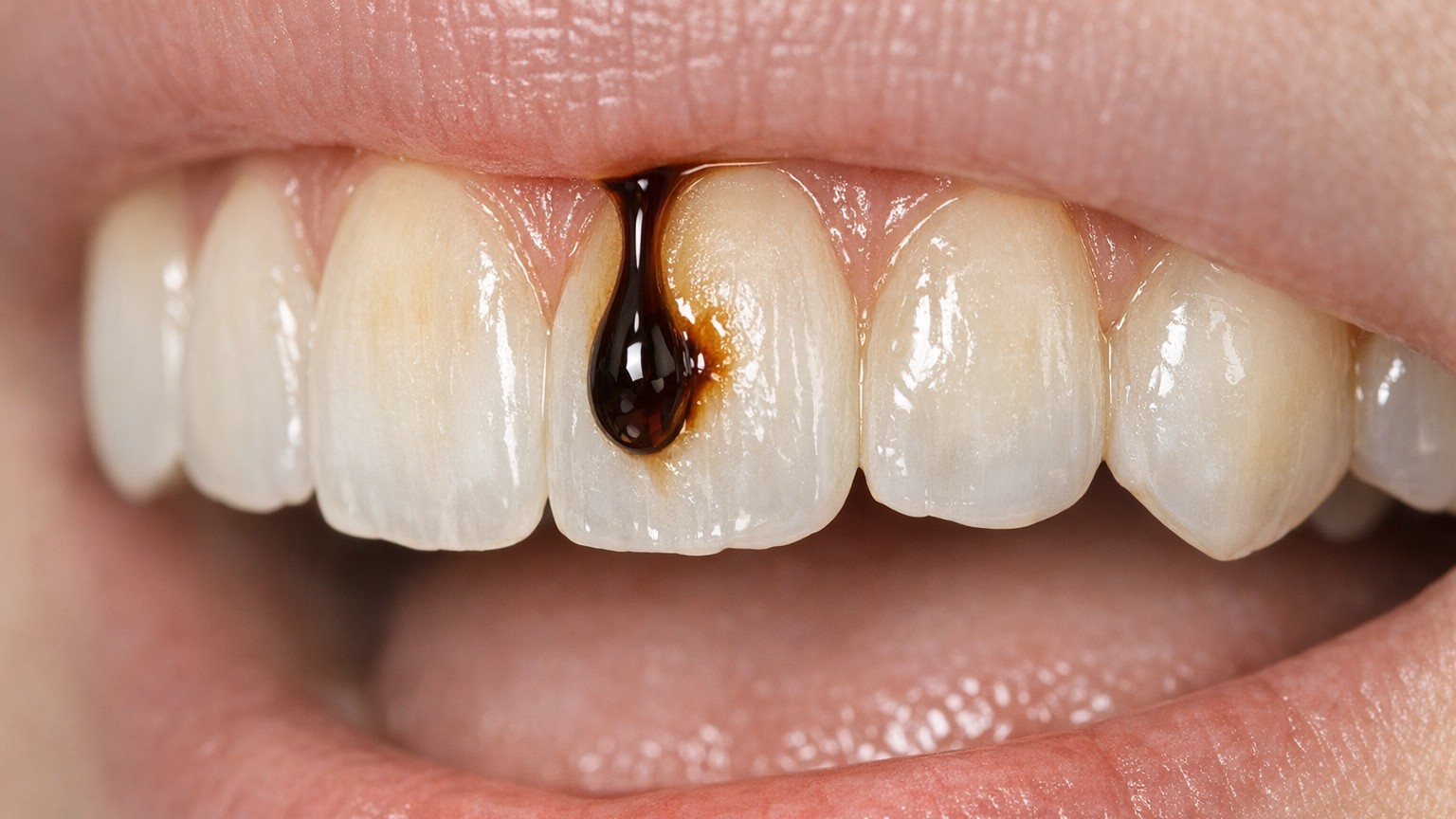
The morning ritual looks perfectly reasonable on paper: you finish your coffee, you brush your teeth, you head out. Clean mouth, fresh breath, day started right. The problem is that this sequence, practiced by millions of Americans every single morning, is quietly grinding away the one thing your teeth can never rebuild.
Tooth enamel is the hard, protective outer layer of your teeth. It is incredibly strong, but once it’s gone, it doesn’t regenerate. That’s not a scare tactic. That’s biology. And it’s exactly what a dentist’s X-ray and clinical exam will show you when the cumulative damage from years of well-intentioned brushing finally becomes visible.
Key takeaways
- Your morning ritual of coffee-then-brushing might be the single most damaging thing you do to your teeth
- Acid from coffee temporarily softens enamel, and brushing during this window removes protective layers you can’t rebuild
- The dentist showed one patient what years of post-coffee brushing actually looks like under magnification
What Actually Happens in Your Mouth After That First Sip
Black coffee typically has a pH level ranging from 4.5 to 5.5. Exposure to anything below a pH of 5.5 can start to soften enamel, a process called demineralization. Every sip, triggers a temporary but real structural change to the surface of your teeth.
Chronic enamel wear is the most significant concern. Each time you brush softened enamel, you remove microscopic amounts of this protective layer. Over months and years, this adds up to noticeable damage. The word “microscopic” is doing a lot of work in that sentence. You won’t feel it happening. You won’t see it in your bathroom mirror. But the evidence accumulates, and what your dentist sees during a checkup tells a very different story than your reflection does.
As your enamel thins, the yellowish dentin underneath begins to show through, causing yellowing teeth that whitening toothpaste can’t fix. This is a structural change, not a surface stain. That’s the part most people misunderstand. They reach for whitening strips when the problem isn’t pigment on the surface, it’s actual thickness loss in the enamel layer itself.
The dentin layer contains tiny tubules that connect to your tooth’s nerve. When enamel erosion exposes these tubules, you’ll experience increased sensitivity to hot, cold, and sweet foods. If you’ve recently found yourself wincing at a cold drink or a warm soup, this is worth paying attention to.
The Counterintuitive Truth About “Clean” Teeth
Here’s the part that will make you reconsider everything: brushing after drinking coffee can actually be harder on enamel than not brushing at all. The instinct to clean something after it gets dirty is sound logic almost everywhere in life. With post-coffee teeth, it actively works against you.
If you brush immediately after coffee, you’re essentially taking sandpaper to softened enamel. The abrasives in your toothpaste, designed to be gentle under normal conditions, become problematic when the surface they’re working on has already been temporarily weakened by acid. When you brush your teeth immediately after consuming acidic beverages like coffee, you risk brushing away tiny particles of enamel that have been softened by the coffee’s acidity.
What’s even more counterintuitive: the best practice is to brush before drinking coffee. Brushing beforehand removes plaque and bacteria that could mix with coffee’s acidity, reducing its harmful effects. This also creates a protective barrier, making it harder for stains to set in. Brush first. Then drink your coffee. The sequence that feels backward is actually the one protecting your teeth.
There’s an added benefit most people overlook: most toothpastes contain fluoride, which acts like a protective shield for your enamel. When you brush before coffee, you’re coating your teeth with this strengthening agent right before they need it most. The brushing action also gets your saliva flowing, which is your body’s built-in acid neutralizer.
The 30-Minute Rule (and What to Do While You Wait)
Life doesn’t always allow you to brush before coffee. You’re rushed, the espresso is already in the cup, and the idea of waiting feels abstract. So if you’ve already had your coffee and now want to brush, the rule is simple and non-negotiable: wait.
Enamel is temporarily softened after acid exposure. Brushing immediately can cause microscopic wear and tear. Wait at least 30 minutes after your last sip to allow your saliva time to remineralize the enamel before brushing with fluoride toothpaste. Some dental experts push that window further: dental experts recommend waiting at least 60 minutes after eating or drinking before brushing your teeth.
The waiting period isn’t passive. Your saliva contains minerals like calcium and phosphate that help reharden your enamel. Interrupting this process by brushing too early can cause more harm than good. Your body is actively repairing the surface, give it the time to finish.
While you wait, two moves make a real difference. After enjoying your morning coffee, rinse your mouth with water. This simple step helps wash away acids and tannins before they can cause damage. Swishing water around your mouth for 30 seconds can help neutralize the acidity and reduce the risk of enamel erosion. The second option: chewing sugar-free gum stimulates saliva flow, your body’s natural defense against acids and bacteria. Look for gum with xylitol.
Small Adjustments, Real Protection
Beyond the brushing timing, a few other habits meaningfully change the equation. If you are a slower sipper, stretching your cup of coffee over an hour or more, you are bathing your teeth in acid for an extended period. This repeated, prolonged exposure prevents your saliva from effectively neutralizing the acids and re-hardening the enamel. Dentists agree that the duration of contact is often more damaging than the initial pH level alone. Finishing your cup in 15 to 20 minutes, rather than nursing it for an hour at your desk, genuinely reduces exposure.
Despite its acidity, black coffee is often considered the lesser evil compared to sweetened, creamy coffee drinks. Adding sugar fuels the bacteria in your mouth, producing even more enamel-eroding acid as a waste product. A flavored syrup latte hits your enamel twice, from the coffee’s natural acidity and from the sugar feeding bacterial acid production. Having your coffee with breakfast or a snack is better than drinking it alone. Eating stimulates saliva production, which helps neutralize acids and wash away staining compounds. The extra saliva also helps protect your teeth from acid damage.
Caffeine is also a mild diuretic, which means it can dry out your mouth. Saliva is crucial in rinsing away bacteria and neutralizing acid, so less saliva equals a higher risk for decay and bad breath. Alternating sips of coffee with water, a habit that feels almost too simple, addresses this directly while also helping dilute residual acids between sips.
One more detail that doesn’t get nearly enough attention: cold brew is often less acidic than hot coffee, which makes it gentler on enamel. However, it still contains tannins that can stain teeth over time. Cold brew isn’t a free pass, but for enamel-conscious drinkers, it’s a meaningful step down in acidity compared to a standard hot brew.
The morning coffee habit isn’t going anywhere, and it doesn’t need to. What changes is the eight minutes immediately after the last sip. Your enamel spends those eight minutes in a state of temporary vulnerability, rebuilding itself through the quiet chemistry of saliva. Whether you decide to help that process or interrupt it with a toothbrush is, it turns out, one of the most consequential small decisions you make every single day.
Sources : dentistexam.com | oldsettlersdental.com