Why spraying flying ants does not stop them returning to your patio
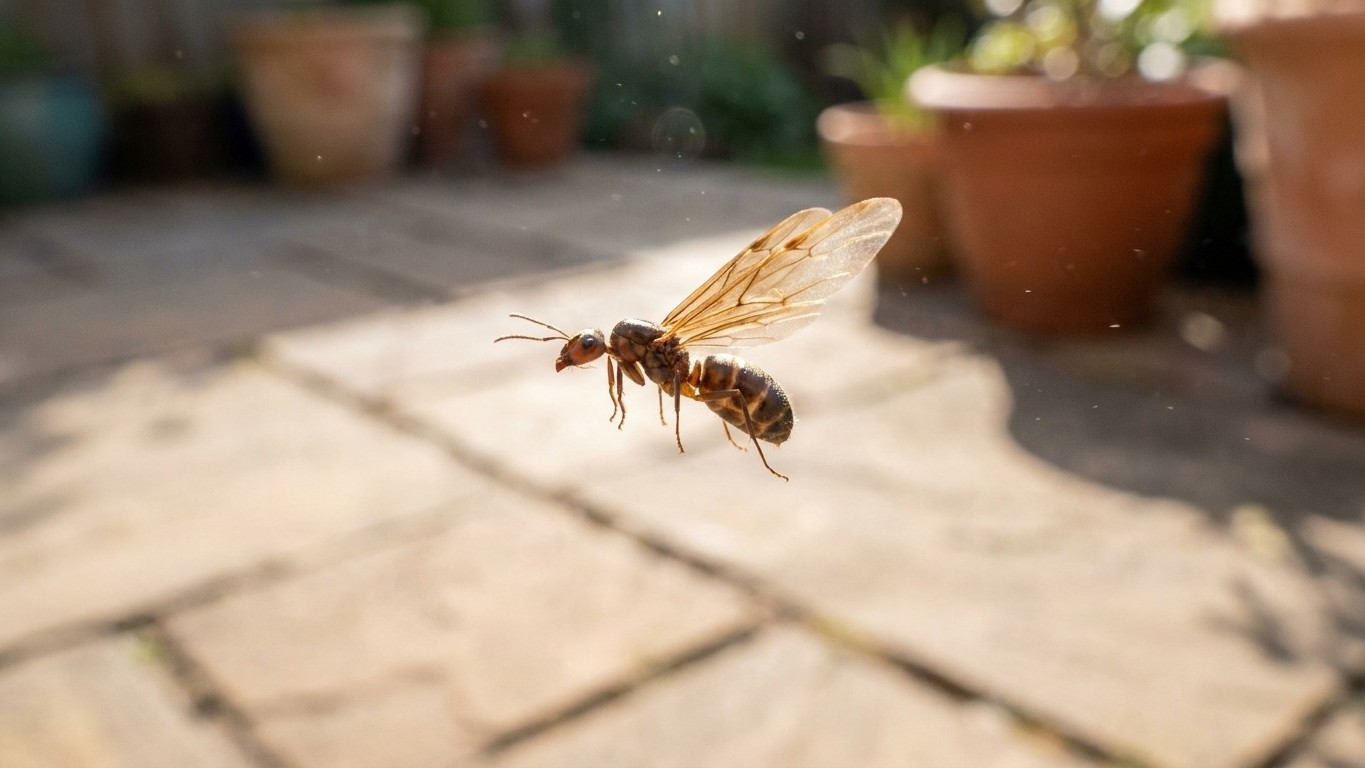
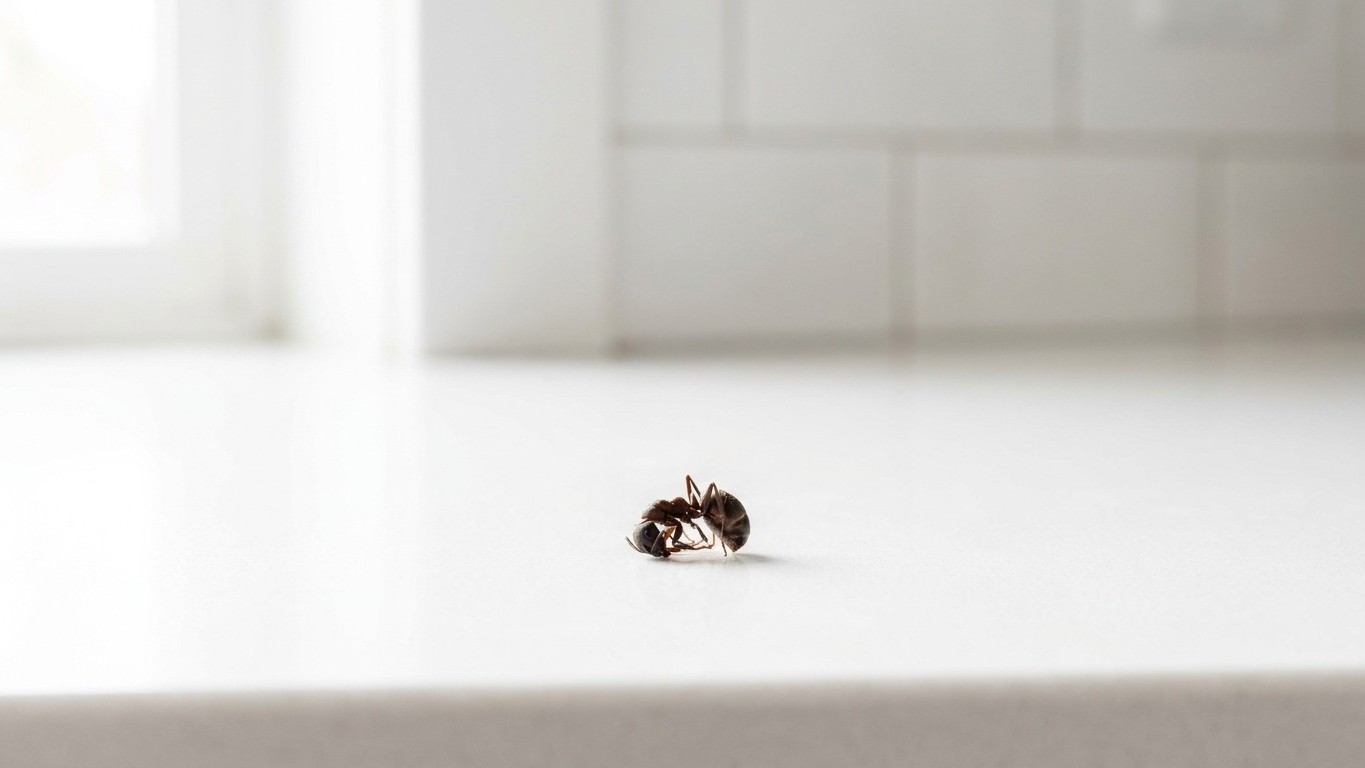
I sprayed insecticide on the flying ants swarming across my patio for years: an exterminator showed me I wasn't touching t...

For years, a homeowner wasted insecticide on flying ants that kept returning every summer. An exterminator revealed the shocking truth: she’d been targeting the wrong thing entirely. The real battle isn’t in the air—it’s underground, and it requires a completely different approach.

Why erythritol in sugar-free foods worries cardiologists

'I thought it was the safe alternative to sugar': why the sweetener hiding in sugar-free products is a warning signal doct...

For years, erythritol seemed like the perfect sugar substitute—guilt-free and nearly identical in taste. But cardiologists are now sounding the alarm after discovering this common sweetener in the bloodstreams of heart attack patients, with emerging evidence suggesting it may significantly increase cardiovascular risk.

How common emulsifiers in packaged foods affect gut mucus

We all keep buying ultra-processed meals for convenience: yet these two additives quietly strip away the mucus that protec...

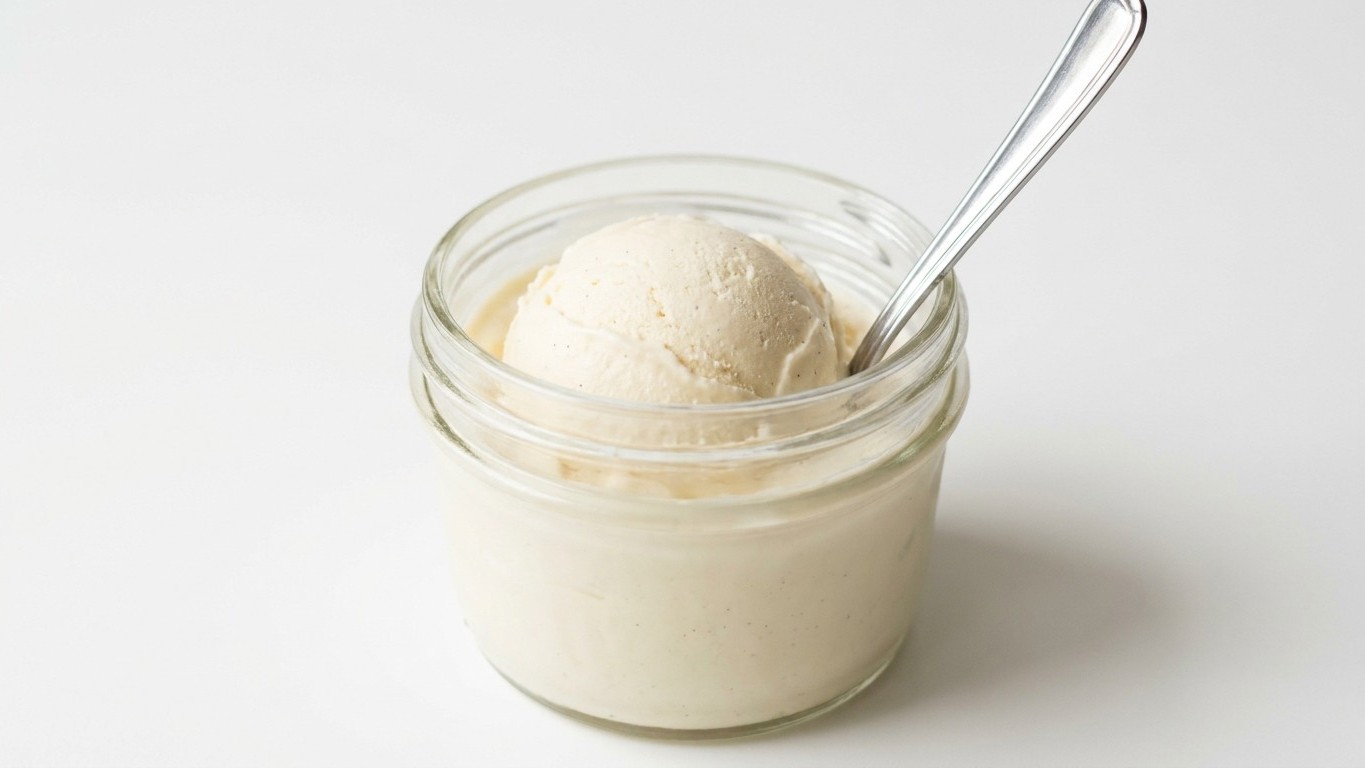
Two common food emulsifiers found in ice cream, salad dressings, and thousands of packaged products are quietly thinning the mucus layer that protects your gut—and the science is catching up to prove it. Researchers have documented how carboxymethylcellulose and polysorbate 80 trigger inflammation and alter your microbiome, but simple dietary swaps can reverse the damage.

Why UV bug zappers kill moths and beetles but not mosquitoes

I hung a UV bug zapper on my terrace all summer just to kill mosquitoes: the day I looked at what was fried inside, I unpl...

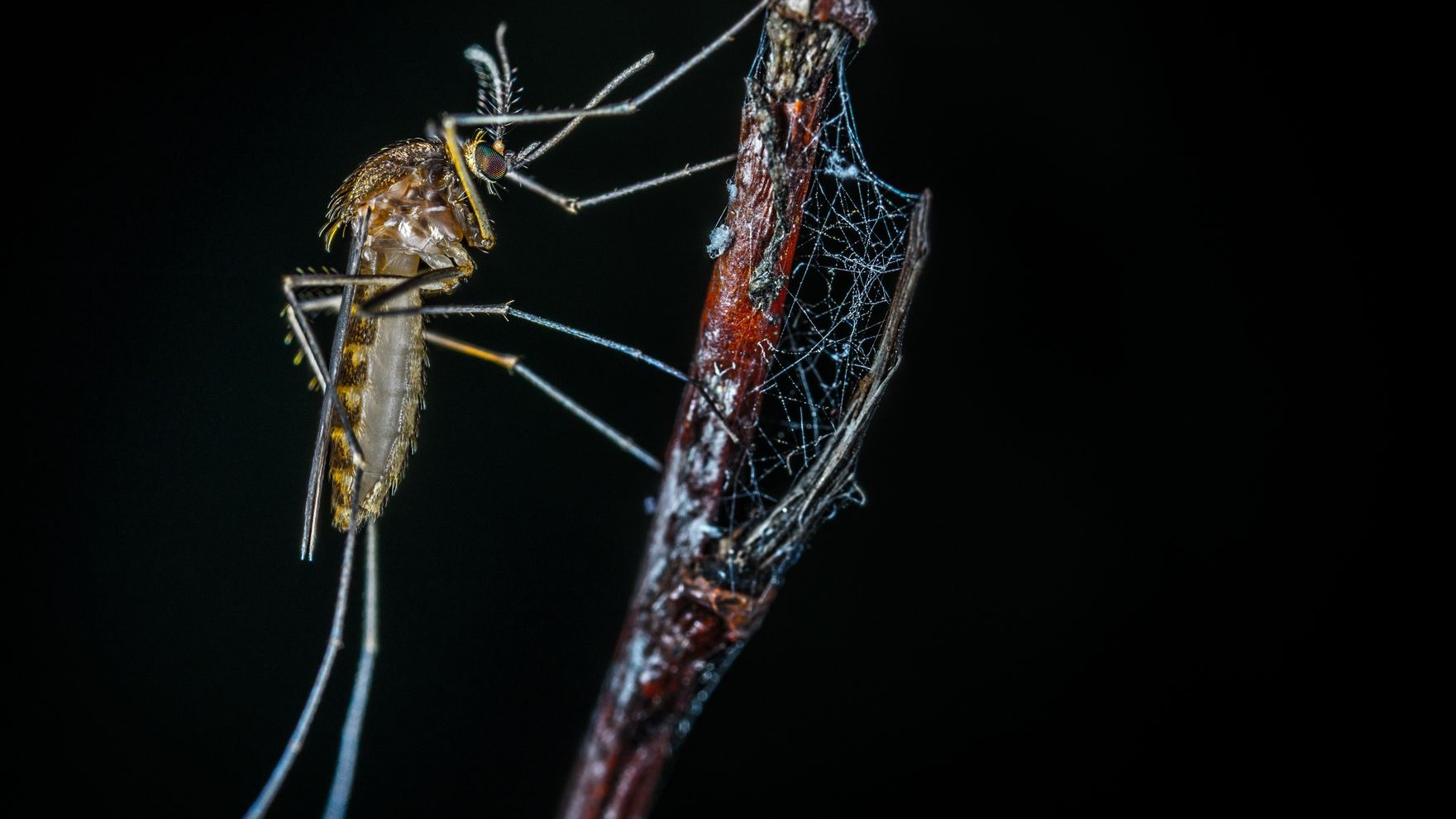
After six weeks of listening to my terrace bug zapper supposedly protecting me from mosquitoes, one glance inside the collection tray revealed a graveyard of moths, beetles, and midges—but barely any mosquitoes. Decades of scientific research confirms what my own eyes discovered: bug zappers are remarkably ineffective at their core job.

Why phthalates in soft plastic toys and lunch boxes are a concern

I kept my daughter's soft plastic toys and lunch boxes for years without a second thought: when the pediatrician explained...

A pediatrician’s casual comment about phthalates sparked a kitchen cupboard purge that revealed a troubling truth: the soft plastic toys and lunch containers we use daily are quietly leaching hormone-disrupting chemicals into our children’s bodies. From gnawed dinosaurs to microwaved lunch boxes, the exposure is cumulative and largely invisible—until you know what to look for.