
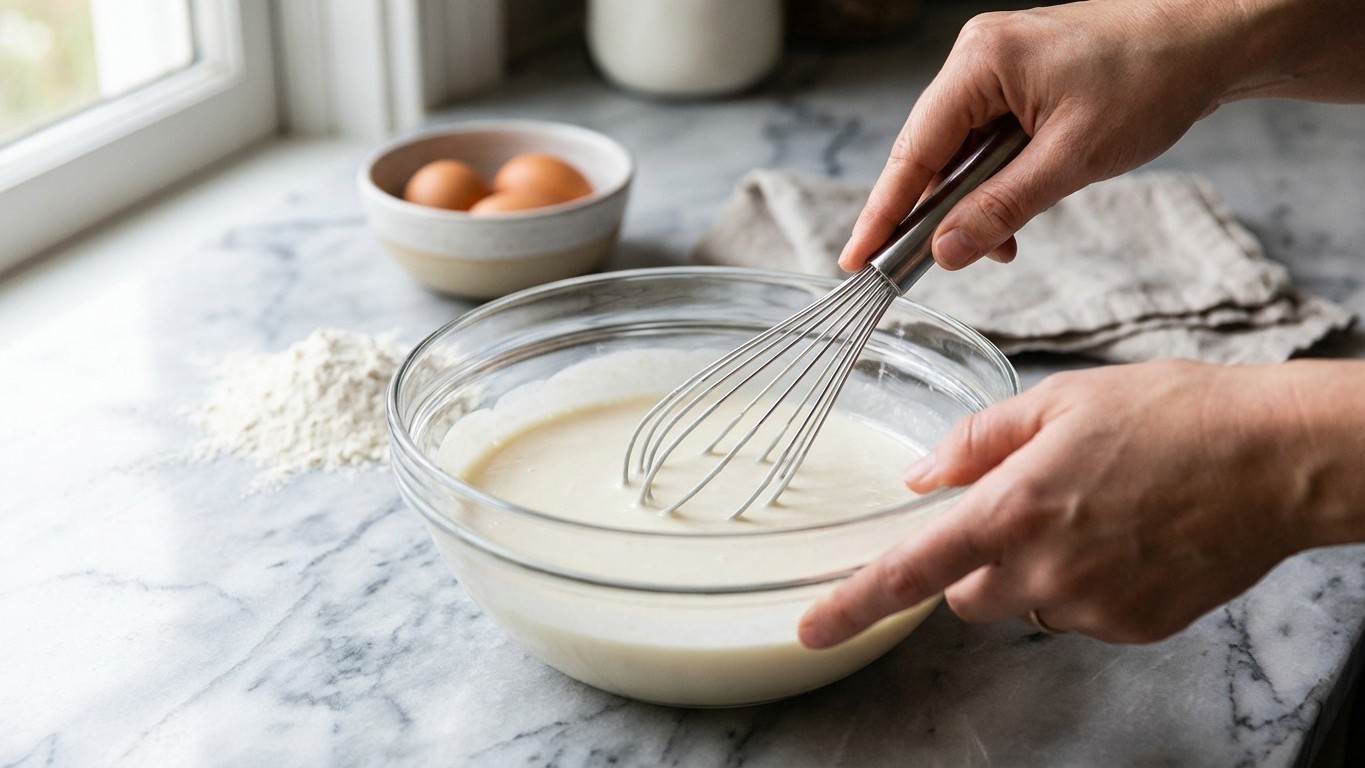
After countless failed attempts at Making-my-bed-was-healthy-until-allergists-revealed-this-Morning-mistake”>Making-a-major-comeback-in-every-outfit”>Making crepes—those disappointing thick, rubbery disasters that bore no resemblance to the delicate French treasures I craved—I Finally-reveal-why-it-transforms-any-room”>Finally-understood-about-cleansing”>Finally discovered the game-changing technique that had been hiding in plain sight. The secret wasn’t in expensive ingredients or special pans, but in a simple whisk movement that transforms ordinary batter into silky perfection.
For years, I followed recipe after recipe, measuring flour precisely and whisking vigorously, only to end up with lumpy, thick batter that produced crepes resembling pancakes more than the paper-thin delicacies I admired in French cafes. The frustration was real, especially when watching cooking videos made it look effortless. What I didn’t realize was that I Was missing one crucial step that makes all the difference between amateur disappointment and Professional-quality results.
The Revolutionary Whisk Technique That changes everything
The breakthrough came when I Learned about the “figure-eight” whisking Method, combined with a specific timing sequence that professional chefs have been using for decades. Instead of the aggressive circular whisking I had been doing, this technique involves creating smooth figure-eight patterns with your whisk while gradually incorporating the liquid ingredients into The Flour.
Here’s the magic: start by creating a well in your flour and adding just one-quarter of your liquid mixture. Using gentle figure-eight motions, slowly incorporate the flour From the edges of the well, working from the center outward. This gradual incorporation prevents the flour proteins from developing too quickly, which is what creates those stubborn lumps that no amount of vigorous whisking can eliminate.
The key lies in patience and rhythm. Each figure-eight motion should be deliberate and smooth, allowing the flour to slowly dissolve into the liquid rather than forcing it together. As the mixture begins to come together, gradually add more liquid while maintaining this gentle motion. The entire process takes about three to four minutes—much longer than the hurried whisking I used to do, but the results are transformative.
What makes this technique so effective is that it respects the science behind gluten development. When flour meets liquid, gluten strands begin to form immediately. Aggressive Mixing creates long, tough strands that result in chewy, thick crepes. The figure-eight method minimizes gluten development while ensuring complete hydration of the flour particles, creating that coveted silky-smooth consistency.
Understanding the Science Behind Perfect Crepe Batter
The revelation about proper whisking technique opened my eyes to the deeper science of crepe-making. Temperature plays a crucial role that I had completely overlooked. Using room-temperature ingredients—eggs, milk, and even melted butter—allows for smoother incorporation and prevents the batter from seizing up during mixing.
The resting period after whisking is equally important. Allowing the batter to rest for at least thirty minutes, or ideally an hour, gives the flour time to fully hydrate and any remaining gluten strands to relax. This resting period transforms even mediocre batter into something approaching perfection, eliminating the slight grittiness that can persist even after careful mixing.
During this resting time, the starches in the flour continue to absorb liquid, creating a more cohesive mixture that spreads effortlessly in the pan. The difference is remarkable—batter that seemed too thin suddenly achieves the perfect consistency for creating those impossibly thin, lace-like crepes that define French cuisine.
Mastering the Consistency and Troubleshooting Common Mistakes
Perfect crepe batter should have the consistency of heavy cream—thin enough to spread quickly across the pan but substantial enough to hold together. If your batter seems too thick after resting, resist the urge to add liquid and whisk vigorously. Instead, add liquid one tablespoon at a time, using the Same gentle figure-eight motion to incorporate it.
One Mistake I Made repeatedly was trying to fix lumpy batter by whisking harder. This only made things worse, developing more gluten and creating an even tougher final product. The proper solution is prevention through technique, but if lumps do form, straining the batter through a fine-mesh sieve can save the day without compromising texture.
Temperature control extends beyond ingredients to cooking technique. A properly heated pan—hot enough that a drop of water sizzles and evaporates within two seconds—ensures that the thin layer of batter sets quickly, preventing it from becoming thick and cake-like. The first crepe often serves as a temperature test; if it’s too thick or doesn’t spread easily, adjust your heat and batter consistency accordingly.
Transforming Your Kitchen Confidence
Mastering This Simple whisk technique has completely Transformed My relationship with crepe-making. What once felt like an intimidating French cooking challenge now feels approachable and even meditative. The gentle rhythm of the figure-eight motion, the gradual transformation of separate ingredients into silky batter, And the satisfaction of achieving professional results at home have made crepe-making one of my favorite weekend activities.
The confidence that comes from understanding the why behind the technique extends far beyond crepes. This same principle of gentle incorporation applies to many other delicate batters, from Yorkshire pudding to tempura. Once you understand how to respect the flour and work with its natural properties rather than against them, a whole world of previously challenging recipes becomes accessible.
This discovery reminded me that cooking is as much about technique as it is about ingredients. Sometimes the difference between failure and success lies not in exotic components or expensive equipment, but in understanding the simple science behind why certain methods work. That gentle figure-eight whisk movement has become my secret weapon, turning years of crepe frustration into consistent success and genuine joy in the kitchen.