Does Old Sunscreen Still Work? Why Last Year’s SPF May Fail

Your Old Sunscreen Bottle Is Lying to You: Why Last Year's SPF Won't Save Your Skin

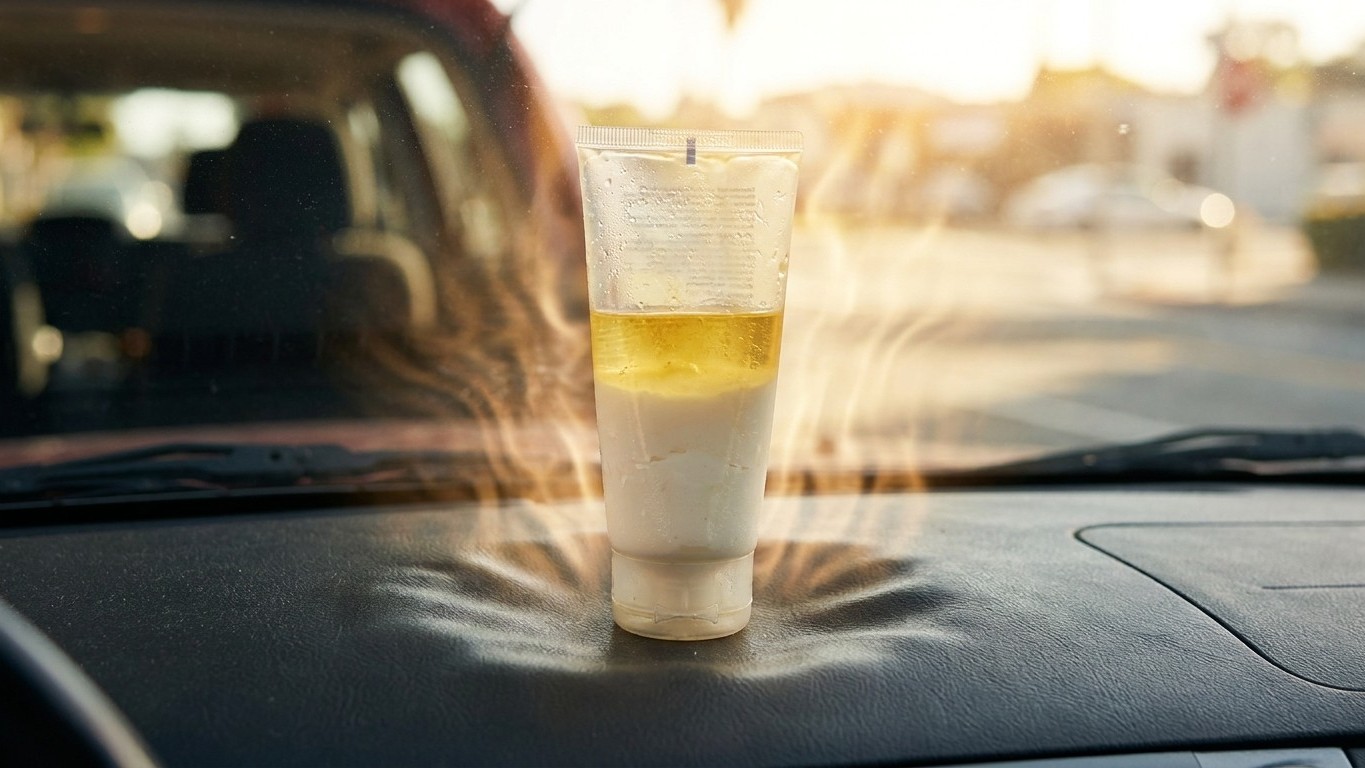
The sunscreen sitting in your bathroom cabinet since last summer isn’t just old—it’s likely providing almost zero protection while giving you dangerous false confidence. Chemical filters degrade rapidly in heat, and expired sunscreen can be worse than using nothing at all because you think you’re protected when you’re not.

Waking Up Twice a Night: Causes and Tests Beyond Just Age

Waking Up Twice a Night? Your Doctor Knows It's Not Just Age—And the Tests Will Prove It

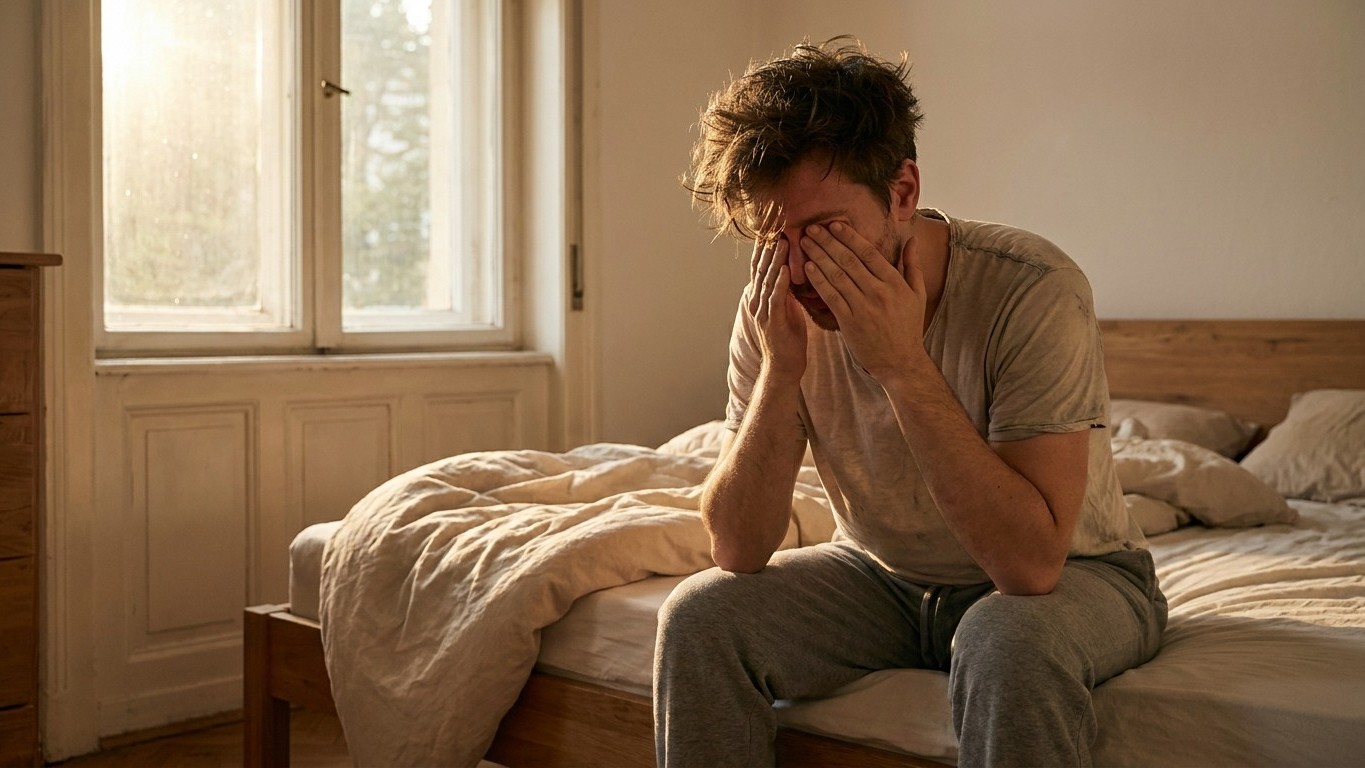
You’ve blamed it on age, but waking twice a night to use the bathroom is a medical condition called nocturia—and it’s often signaling something more serious. When a patient finally mentioned it to their doctor, the response triggered a cascade of tests that revealed the real culprit. Here’s what urologists wish everyone knew.

Why Your Antihistamine Fails in Spring and How Timing Helps

Why Your Antihistamine Fails Every Spring—And the One Timing Trick That Actually Works

Every spring, millions assume their antihistamines have stopped working. The truth is far simpler: they’re taking them at the wrong time of day. Your immune system follows a 24-hour schedule, and so does pollen—and one strategic timing shift can eliminate morning allergy symptoms before they start.

Why an Evening Shower Can Help With Nighttime Spring Allergies

Why You're Still Waking Up Gasping at 2 AM: The Evening Shower Allergy Doctors Won't Stop Mentioning

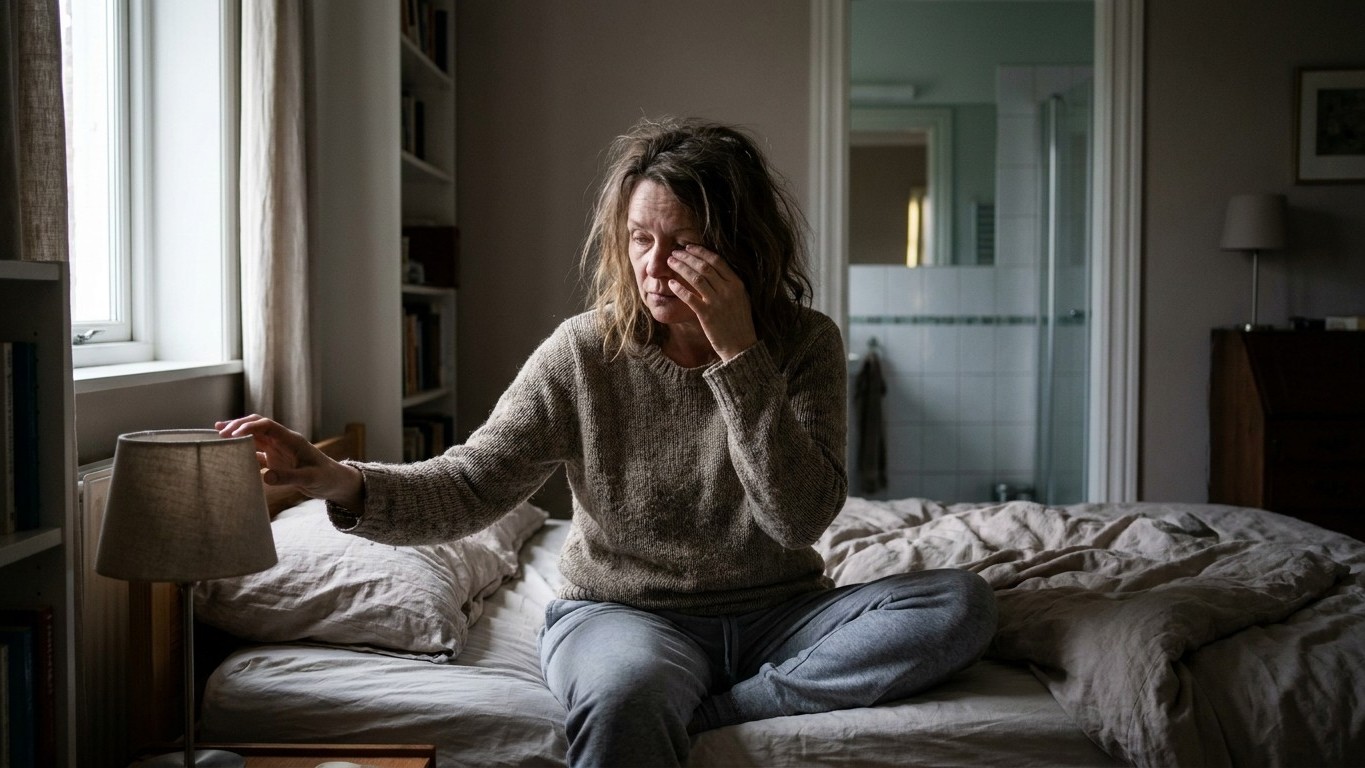
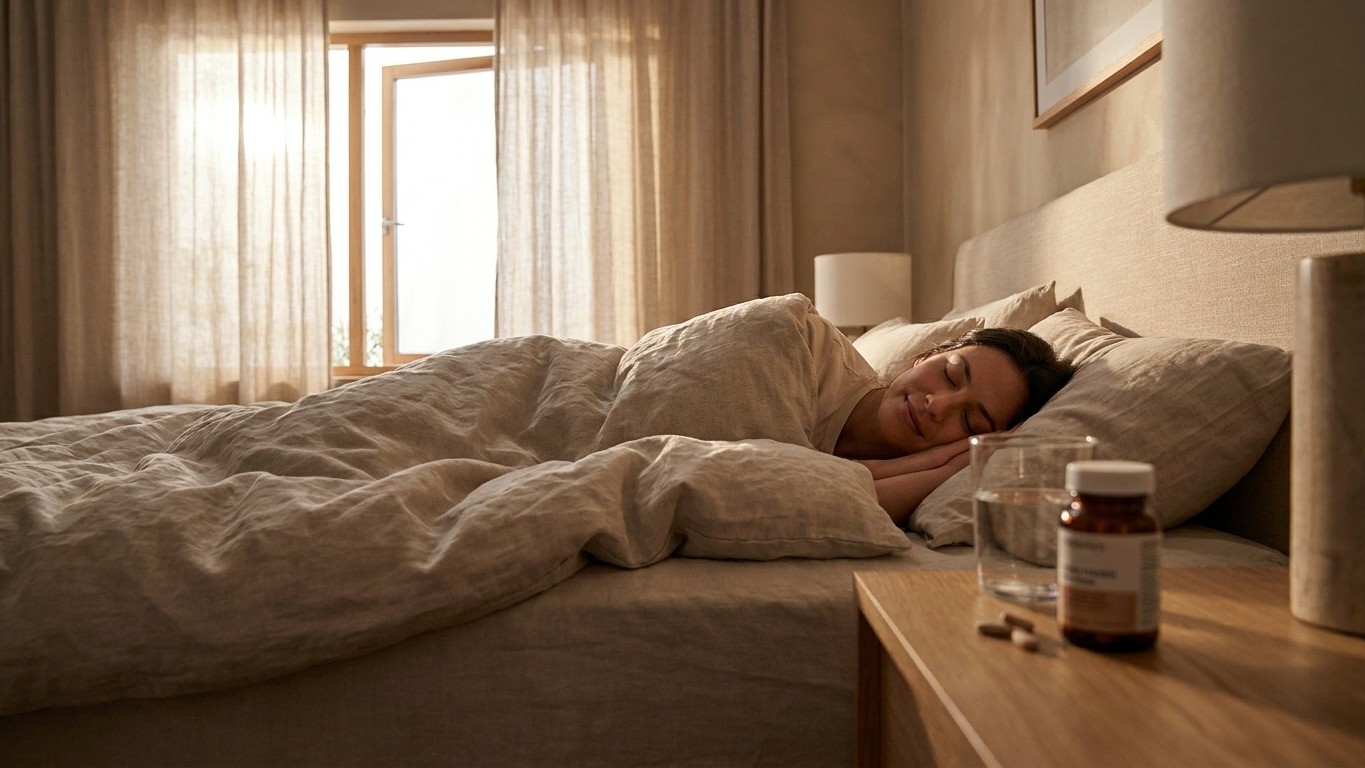
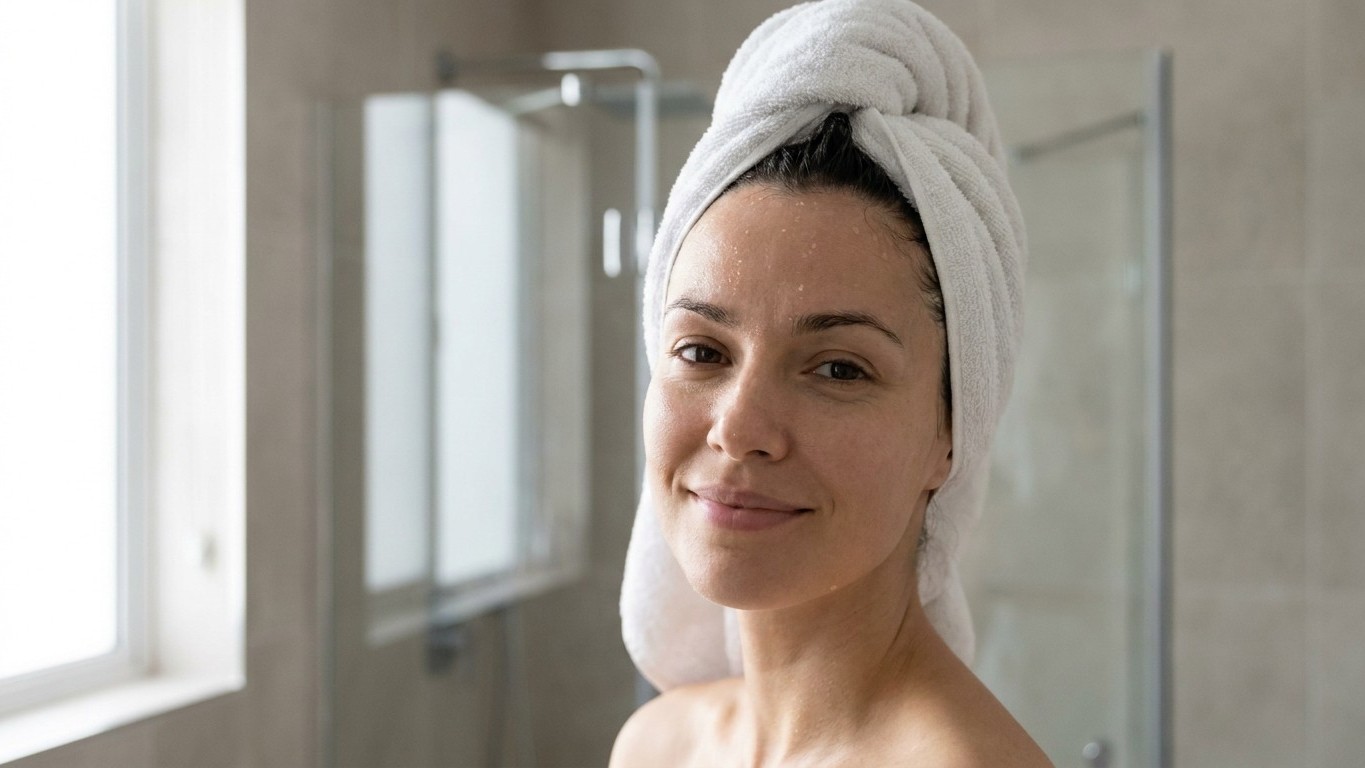
Most allergy sufferers treat spring allergies during the day but unknowingly sabotage themselves every evening. Pollen clings to your hair and clothes, then transfers to your pillow for 7-9 hours of direct exposure—but that’s only half the problem. Your own biology amplifies allergic reactions at night, creating a perfect storm for sleepless nights.

Why Your Water Bottle Tastes Like Metal and What Grows Inside

Lab Results Reveal Why Your Water Bottle Tastes Like Metal—And What's Actually Growing Inside

A week without washing your reusable water bottle creates the perfect storm: bacterial colonies numbering in the millions, plus metal ion leaching that triggers that unmistakable metallic taste on your tongue. Scientific testing reveals what’s really happening inside that ‘premium’ stainless steel bottle you thought was safe.

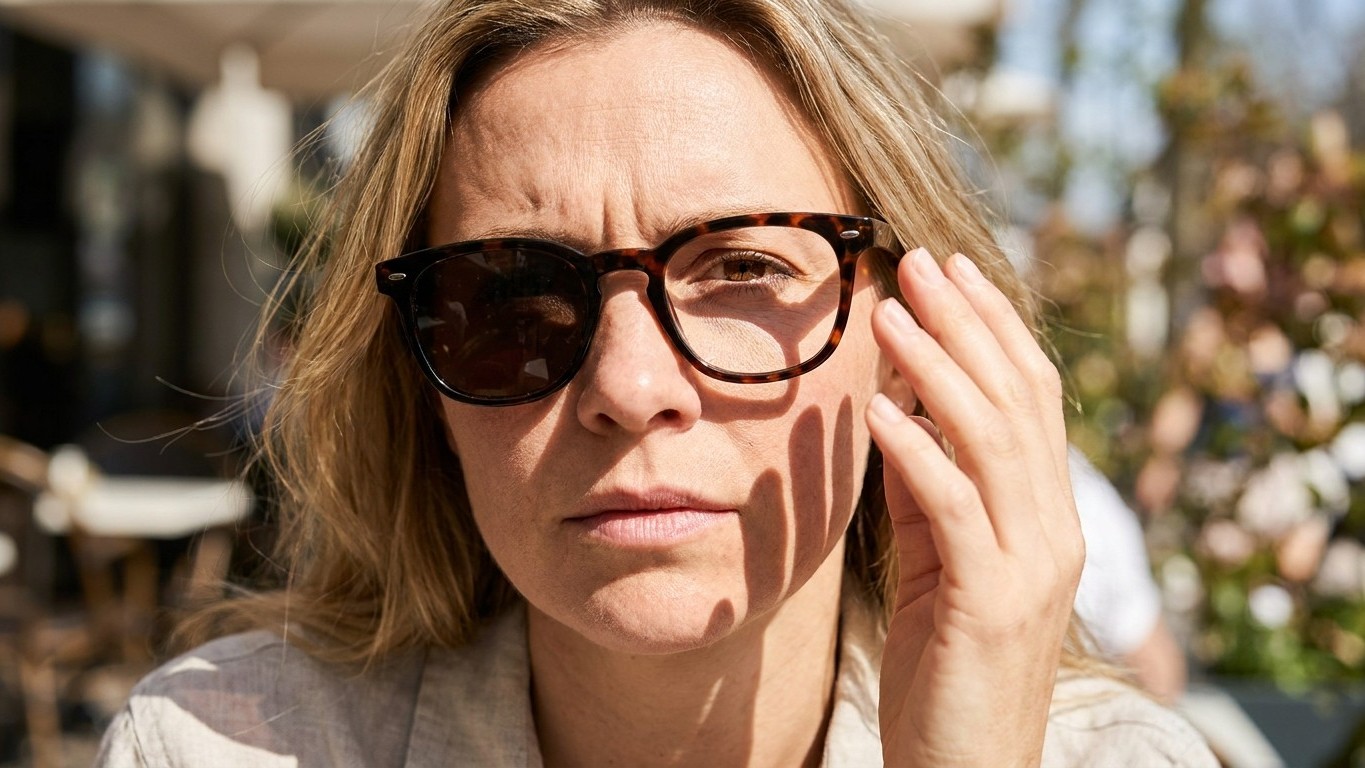
Why dark sunglasses may leave your eyes more vulnerable

The Hidden Danger Behind Dark Sunglasses: Why Your Eyes Are More Vulnerable Than You Think

Dark sunglasses create a biological trap: they trick your eyes into dropping their natural defenses while potentially offering no UV protection in return. A 2024 study reveals that wearing non-protective dark lenses is more dangerous than wearing nothing at all, and most people won’t notice the cumulative damage until it’s far too late.

Why one side of your face ages faster than the other

Why One Side of Your Face Ages Faster: Dermatologists Reveal the Surprising Culprits

Your mirror isn’t lying—one side of your face really is aging faster than the other. Dermatologists have pinpointed three surprising culprits: invisible UV rays through car windows, nightly pillow pressure, and your face’s natural structural asymmetry. Here’s what science says you can actually do about it.