Skip the 10,000 Steps: A 10-Minute Wall Sit Habit Lowers Blood Pressure Better Than Walking, Doctors Now Say
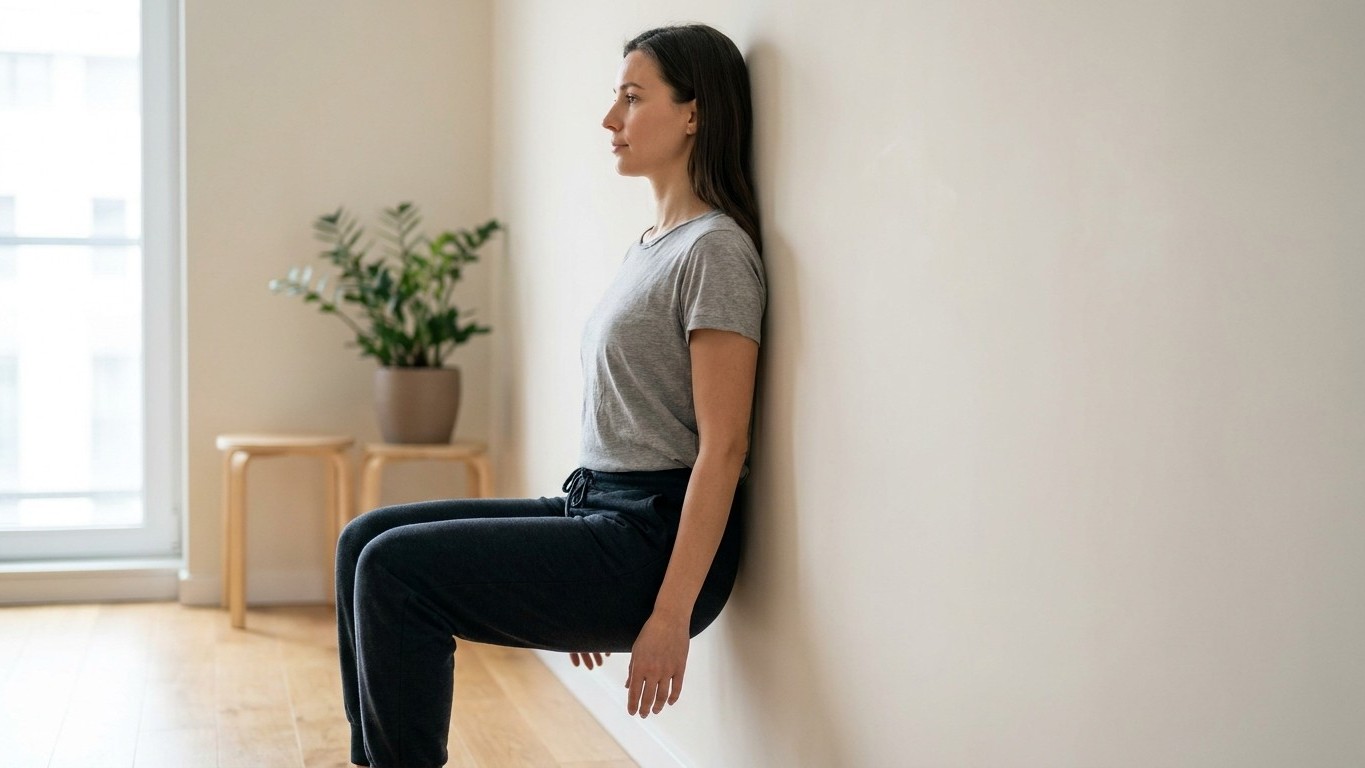
Skip the 10,000 Steps: A 10-Minute Wall Sit Habit Lowers Blood Pressure Better Than Walking, Doctors Now Say

A comprehensive analysis of 270 exercise studies reveals that isometric exercises like wall sits lower blood pressure better than running, cycling, or walking 10,000 steps. Doctors are now recommending a simple 10-minute protocol—just four 2-minute wall sits, three times weekly—that outperforms traditional cardio by nearly double.

Why Gynecologists Say One Hour in a Wet Swimsuit Can Trigger Months of Infections

Why Gynecologists Say One Hour in a Wet Swimsuit Can Trigger Months of Infections

Sitting poolside in a damp swimsuit feels harmless, but gynecologists warn that just one hour creates the perfect breeding ground for yeast and bacteria. Discover why the same infections keep returning and the surprisingly simple fix that costs less than 90 seconds.

The Morning Mistake Destroying Your Teeth: Why Brushing After Orange Juice Is Sabotaging Your Smile

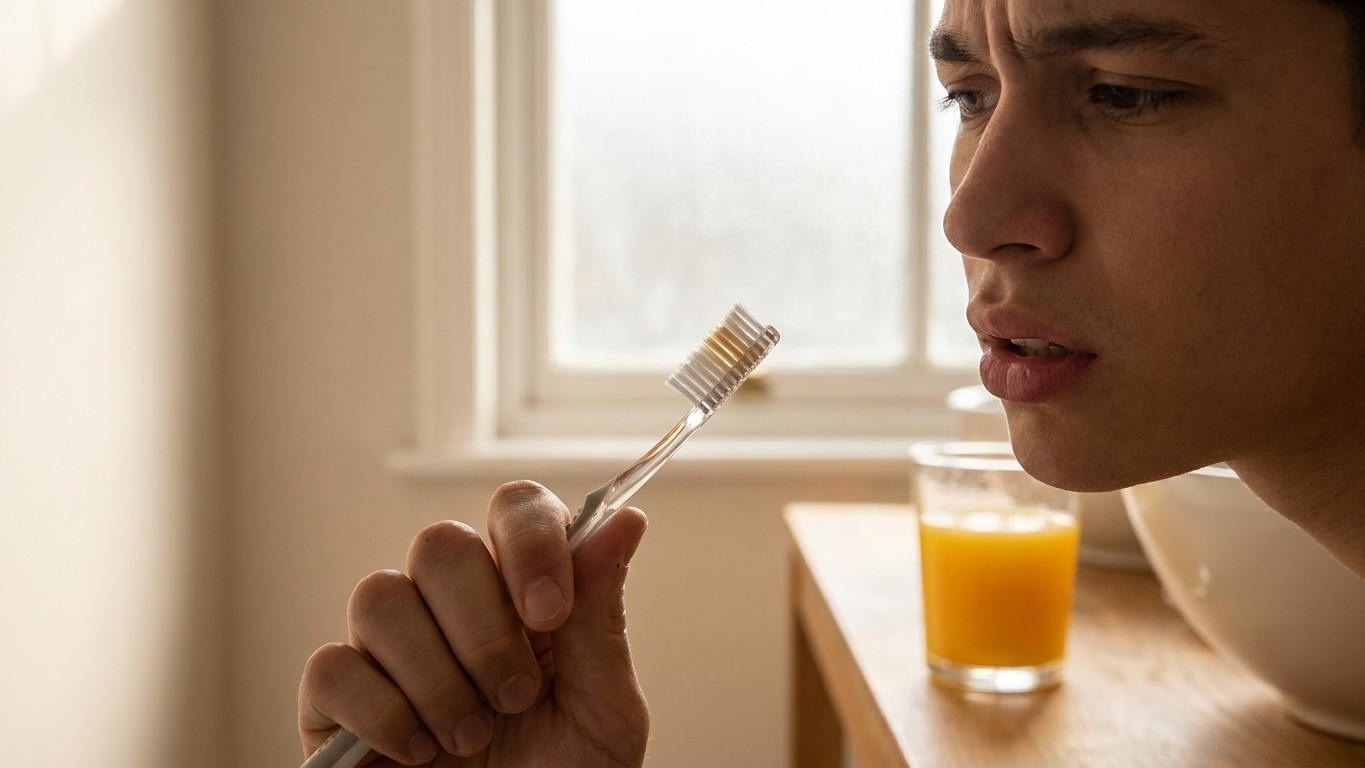
The Morning Mistake Destroying Your Teeth: Why Brushing After Orange Juice Is Sabotaging Your Smile

Brushing your teeth right after orange juice feels responsible, but your dentist knows the truth: you’re scrubbing away softened enamel with every stroke. This daily habit causes irreversible damage that accumulates silently until sensitivity and decay appear.

Why Your Vitamin D Supplements Might Be Completely Wasted: The Fat-Soluble Secret Nobody Tells You

Why Your Vitamin D Supplements Might Be Completely Wasted: The Fat-Soluble Secret Nobody Tells You

For years, taking vitamin D drops on an empty stomach seemed harmless—until a pharmacist revealed the inconvenient truth: without dietary fat, your supplement never reaches your bloodstream. A decade of wasted doses taught one person what research has quietly proven, and it changes everything about how you should be supplementing.

Why Warm Showers Before Bed Changed My Sleep Forever: The Science Behind the 90-Minute Rule

Why Warm Showers Before Bed Changed My Sleep Forever: The Science Behind the 90-Minute Rule

A lifetime of morning showers left me tossing at night until one warm evening shower changed everything. The science is counterintuitive: warm water actually cools your core temperature faster, triggering the exact conditions your brain needs to fall asleep—but only if timed perfectly.

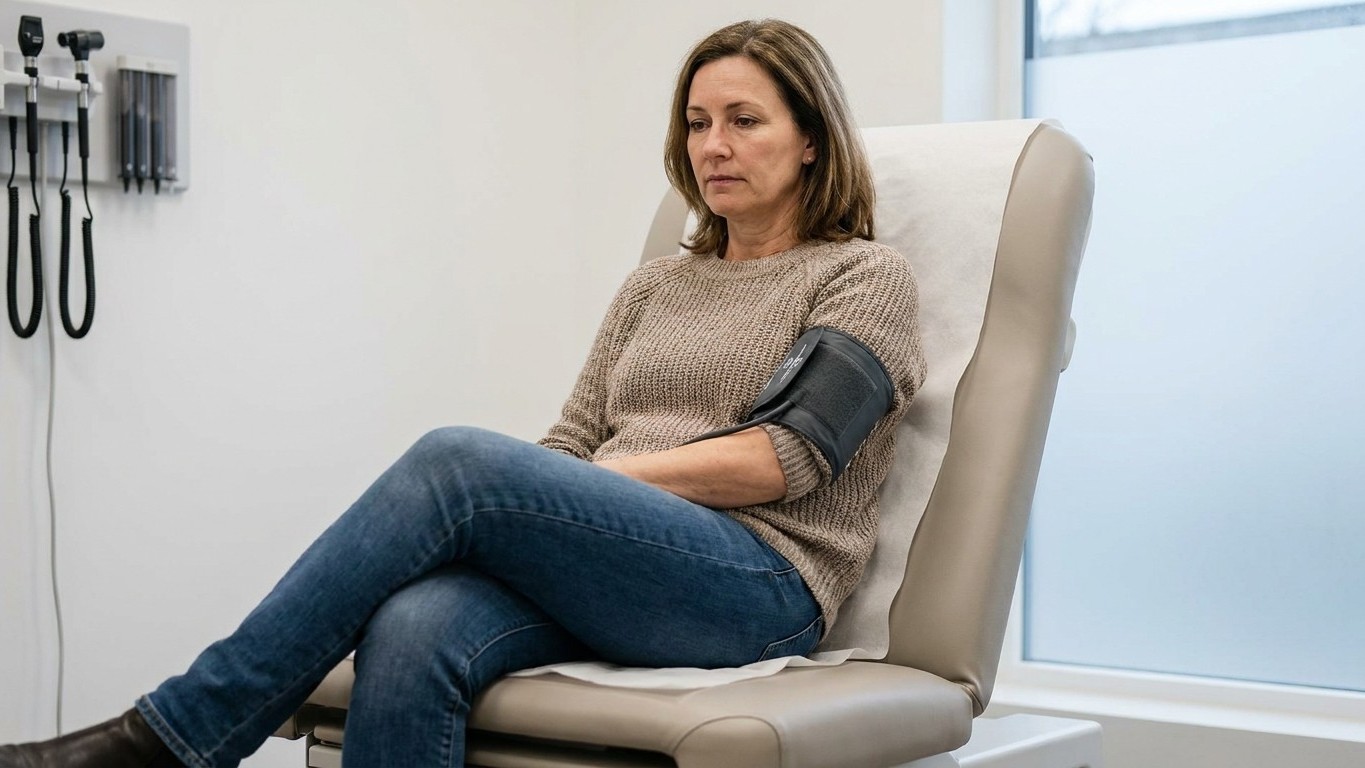
How Crossing Your Legs During Blood Pressure Checks Could Be Giving You a False Hypertension Diagnosis

How Crossing Your Legs During Blood Pressure Checks Could Be Giving You a False Hypertension Diagnosis

For years, a simple habit—crossing my legs during blood pressure checks—was silently sabotaging my health readings by up to 15 mmHg. Research shows this posture mistake hits hardest on those who already have hypertension, potentially misdiagnosing millions. Here’s what nurses and doctors aren’t always telling you about getting an accurate reading.

Beyond Fatigue: How Extreme Heat Silently Damages Your Heart, Kidneys, and Brain

Beyond Fatigue: How Extreme Heat Silently Damages Your Heart, Kidneys, and Brain

Extreme heat masquerades as ordinary tiredness, but behind the fatigue lies a cascade of physiological threats: your heart doubling its workload, your kidneys losing blood flow, and your brain operating on diminished oxygen. Medical experts are now connecting the dots between heat waves and serious organ damage that often goes undiagnosed.

Why Your Melatonin Isn’t Working: The Timing Mistake Millions Make Every Night

Why Your Melatonin Isn't Working: The Timing Mistake Millions Make Every Night

For years, millions take melatonin at lights-out and wonder why it doesn’t work. New research reveals the real culprit: timing. Taking melatonin 2–3 hours before bed, not 30 minutes, is what actually shifts your sleep cycle—and the dose matters far less than when you take it.

Why Your Hour-Long Naps Leave You Groggy: What Sleep Specialists Know About the Perfect Nap Duration

Why Your Hour-Long Naps Leave You Groggy: What Sleep Specialists Know About the Perfect Nap Duration

For years, longer afternoon naps seemed logical—more sleep should mean more rest. But a sleep specialist’s explanation revealed a counterintuitive truth: napping for 60-90 minutes often leaves you groggy because you’re waking up during deep sleep. The solution lies in understanding sleep cycles and choosing the right duration.

Scientists Are Obsessed With Grapes: The Ordinary Fruit Your Grandmother Knew Was Extraordinary

Scientists Are Obsessed With Grapes: The Ordinary Fruit Your Grandmother Knew Was Extraordinary

Your grandmother’s daily grape habit wasn’t just a quirk—it was genius. New research shows that eating whole grapes daily triggers genetic changes that protect skin from UV damage, support brain health, and influence three major organ systems. Scientists are calling 2025 a potential “breakthrough year” for grape science.