What Can Cause a Rash After Swimming in a Lake

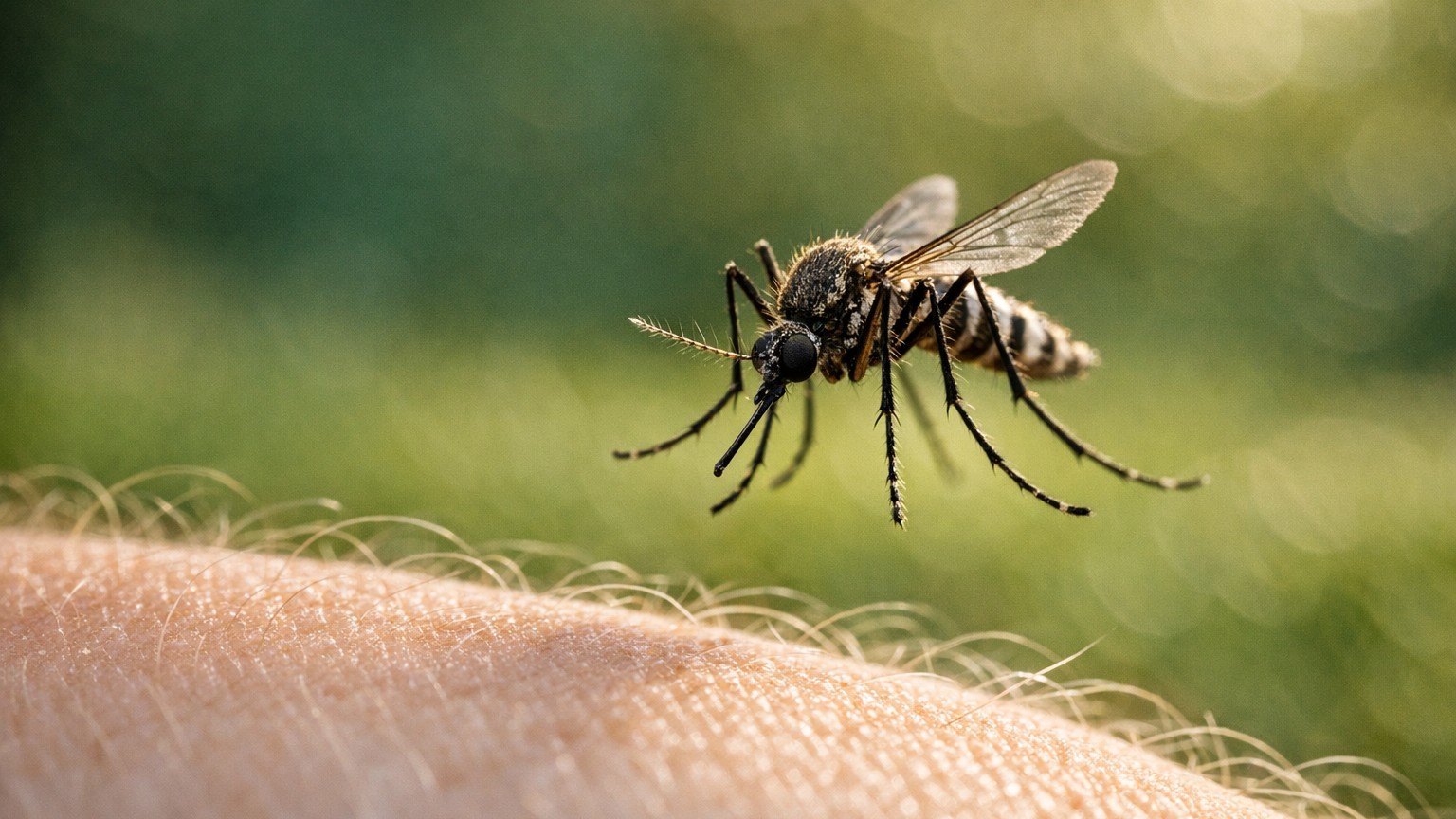
I Swam in My Local Lake and My Skin Erupted: What My Doctor Discovered About That Water Still Haunts Me

A simple June lake swim triggered a mysterious skin rash that led to a shocking discovery: freshwater lakes harbor two invisible culprits—parasitic cercariae and toxic cyanobacteria—that most swimmers never see coming. The findings revealed why water temperature, timing, and what your doctor checks for matter far more than most people realize.
What Happens Inside Your Ear When You Wear Earbuds All Day

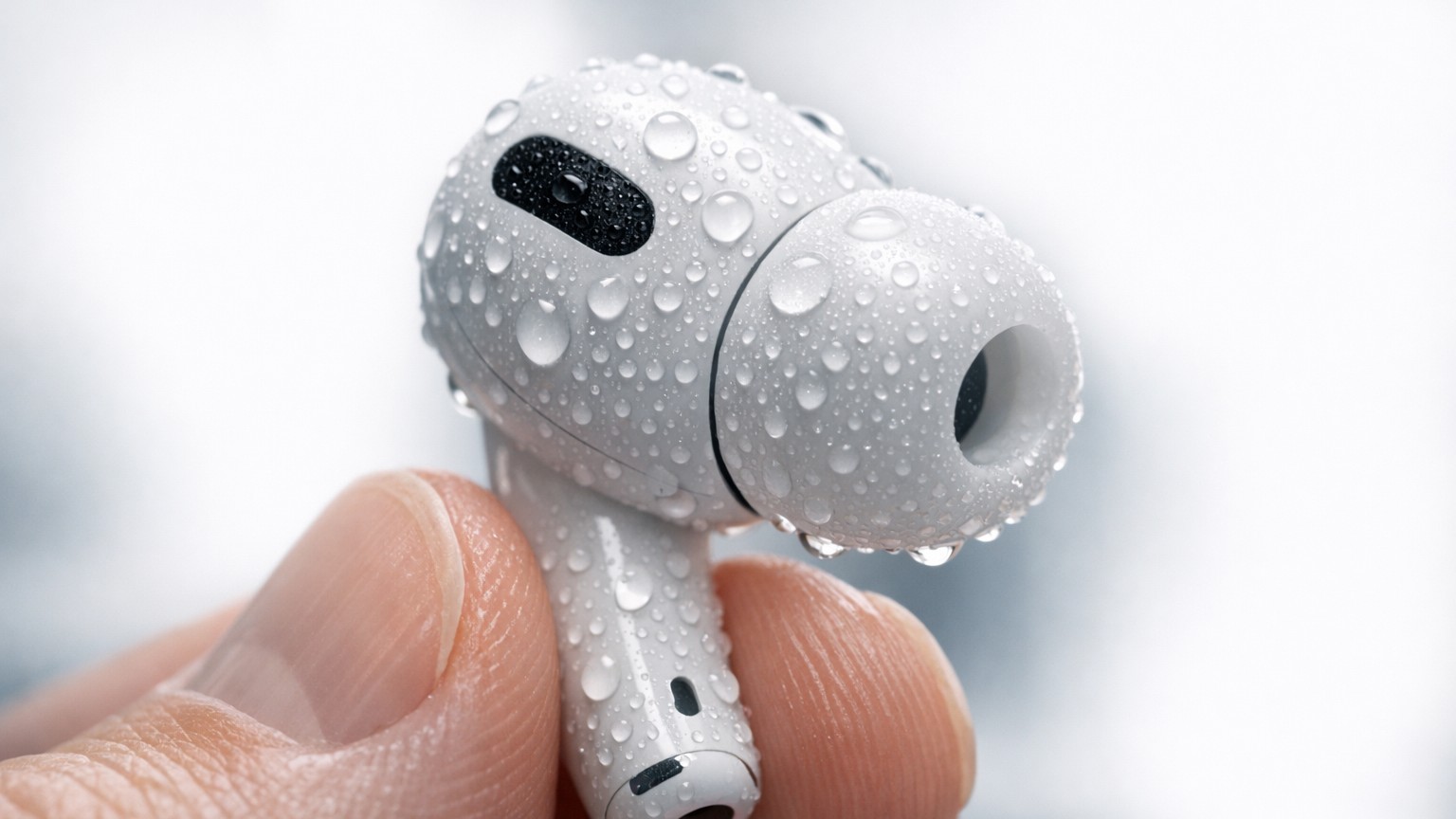
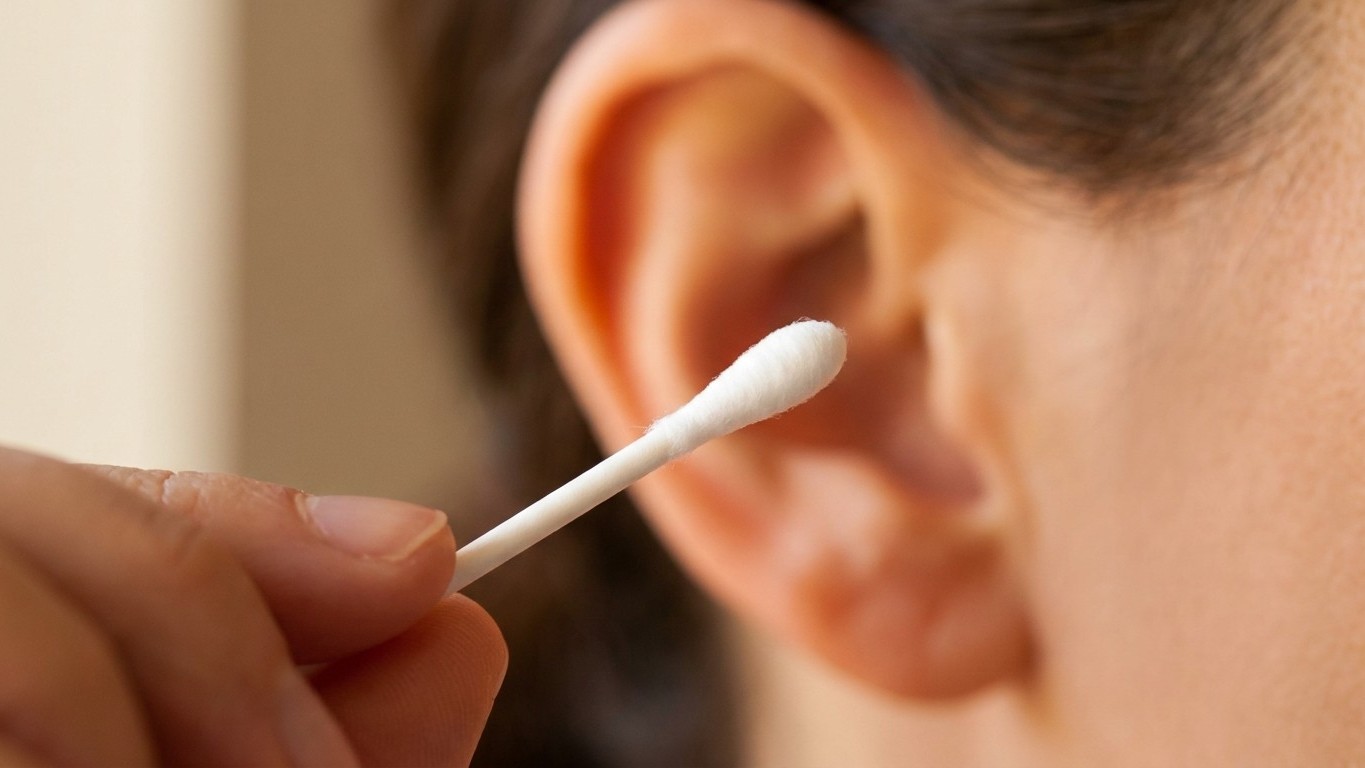
I Wore Earbuds 6 Hours Daily Until My Doctor Found What Was Growing Inside

Wearing in-ear earbuds for six hours daily creates a warm, moist environment where bacteria and fungi thrive—turning your ear canal into an incubation chamber. When one user pulled out a wet earbud, their doctor revealed a microscopic ecosystem that could lead to serious ear infections without intervention.

Why Eating Standing Up Is Sabotaging Your Digestion (And Making You Hungrier)

Why Eating Standing Up Is Sabotaging Your Digestion (And Making You Hungrier)

For years, eating dinner standing at the kitchen counter seemed like a time-saving hack. But your body has a completely different response when you sit down—one that affects everything from digestion speed to how full you actually feel. The science reveals why this simple shift could transform your relationship with food.

What Actually Comes Through Your Open Bedroom Window at Night

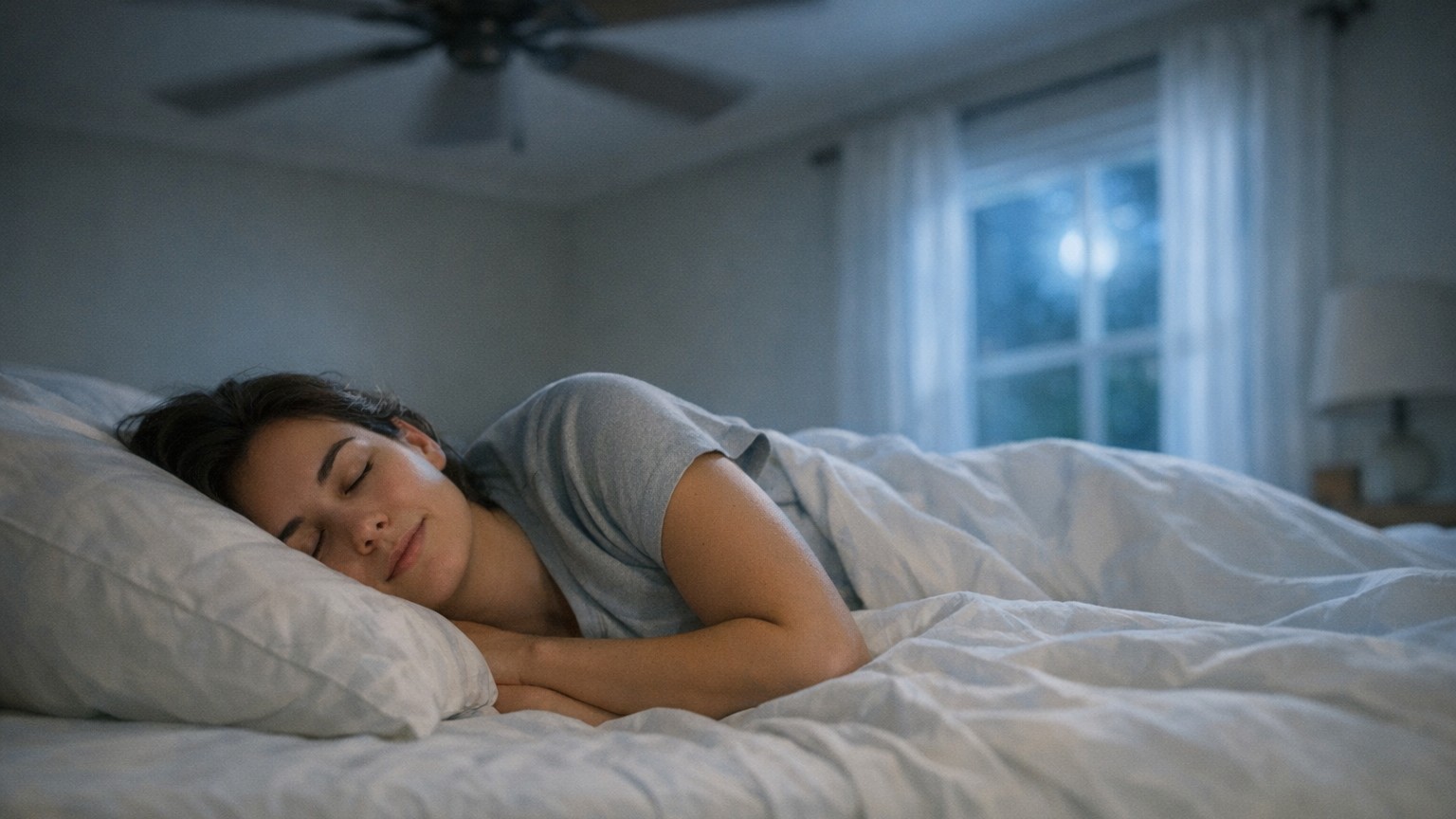
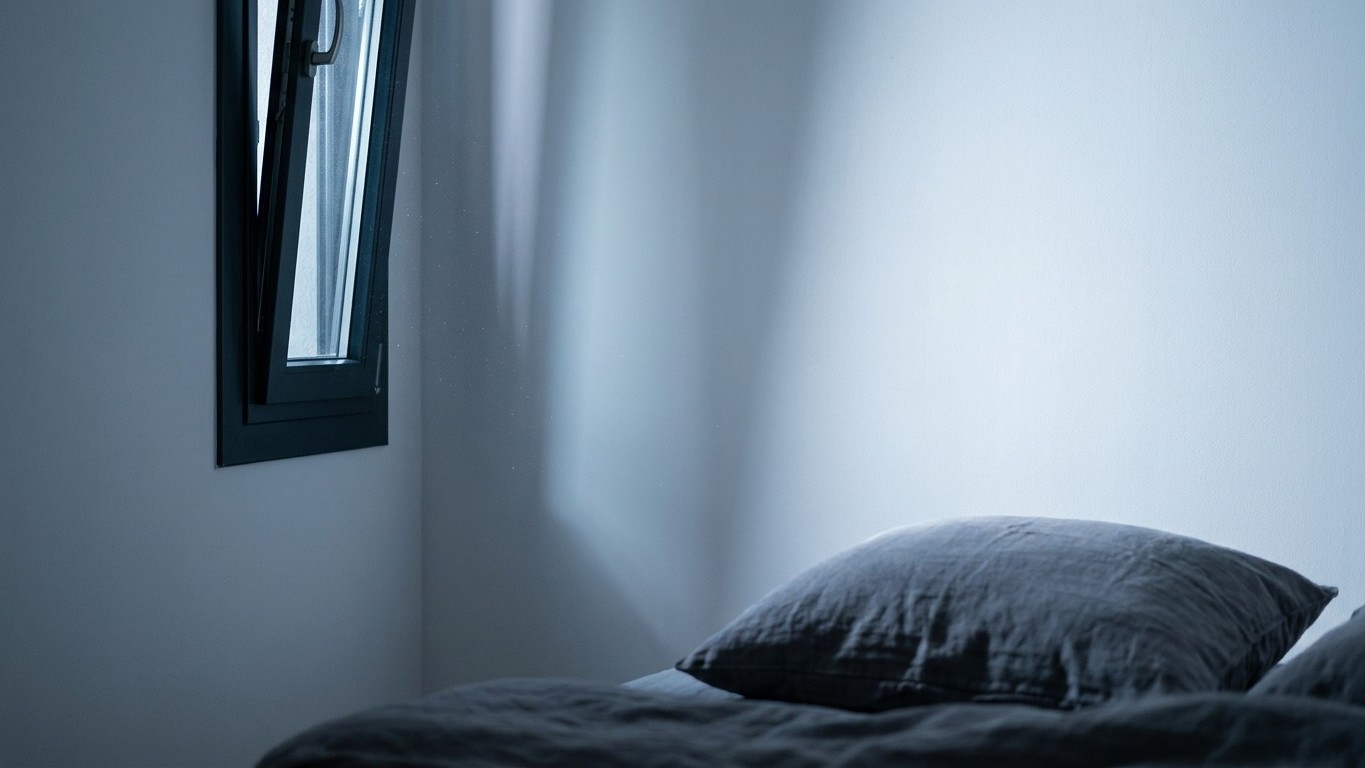
What's Actually Floating Into Your Bedroom at 3 a.m.? A 25-Year Sleep Habit Reveals the Uncomfortable Truth

For 25 summers, opening the bedroom window felt like inviting fresh air and better sleep. But tracking what actually crosses that threshold by 3 a.m. reveals a more complicated picture: nighttime pollen surges, temperature inversions trapping pollution at ground level, and CO₂ accumulation that wakes you without you knowing why. Science suggests a smarter approach.