Measles can erase up to 73% of existing antibodies

We all insist on treating measles as a simple childhood rash, whereas this virus wipes out up to 73% of the antibodies alr...

Measles is far more dangerous than the childhood rash we’ve dismissed it as. New research reveals the virus can erase up to 73% of the antibodies protecting against other infections, leaving immunity compromised for years—not weeks. As measles cases surge, understanding immune amnesia becomes critical.
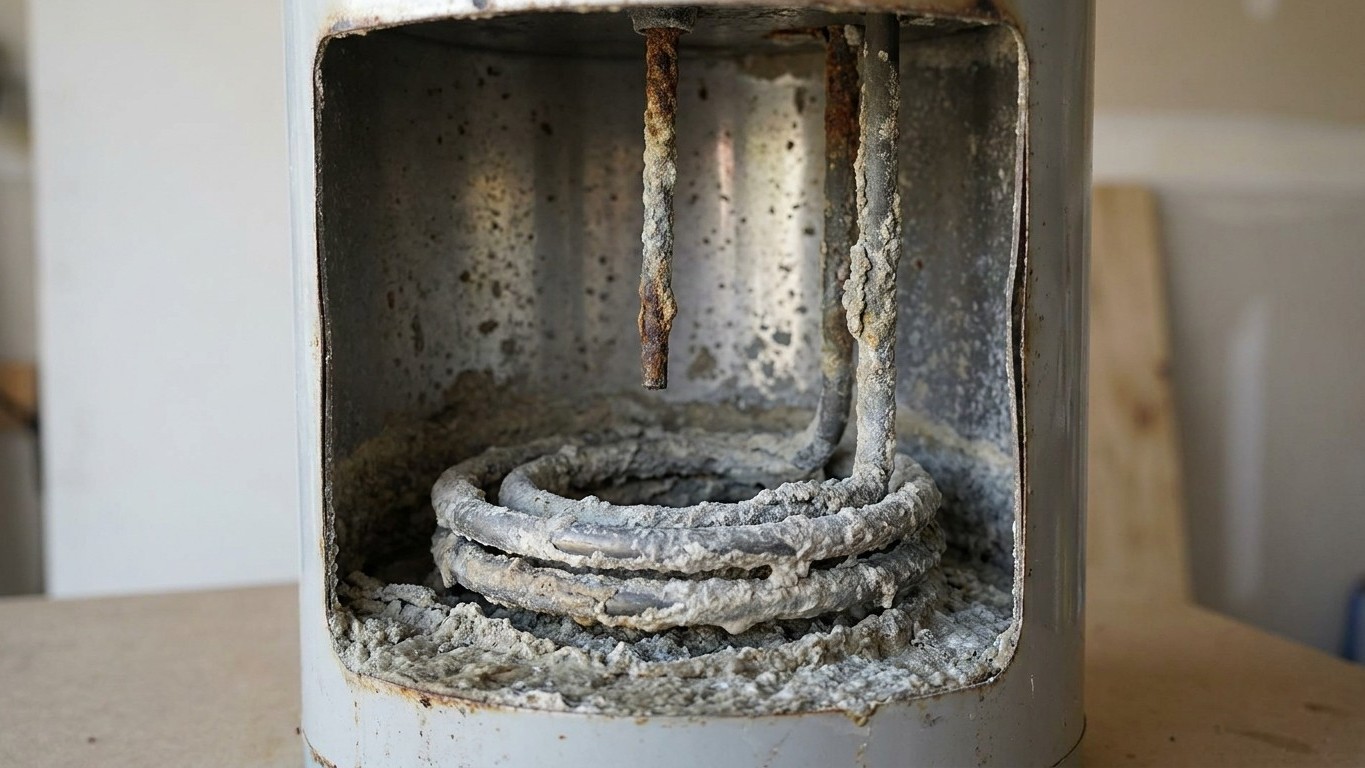
What happens inside a water heater set to 70°C

I left my water heater at 70 °C all summer just to be safe: the day a plumber opened the tank, I saw what those extra degr...

A homeowner’s attempt to protect against bacteria by running their water heater at 70°C (158°F) all summer created a nightmare of mineral buildup. What started as a safety instinct turned into a structural disaster that accelerated tank failure and wasted energy—all for protection that wasn’t even necessary.

Why carboxymethylcellulose and polysorbate 80 are in food

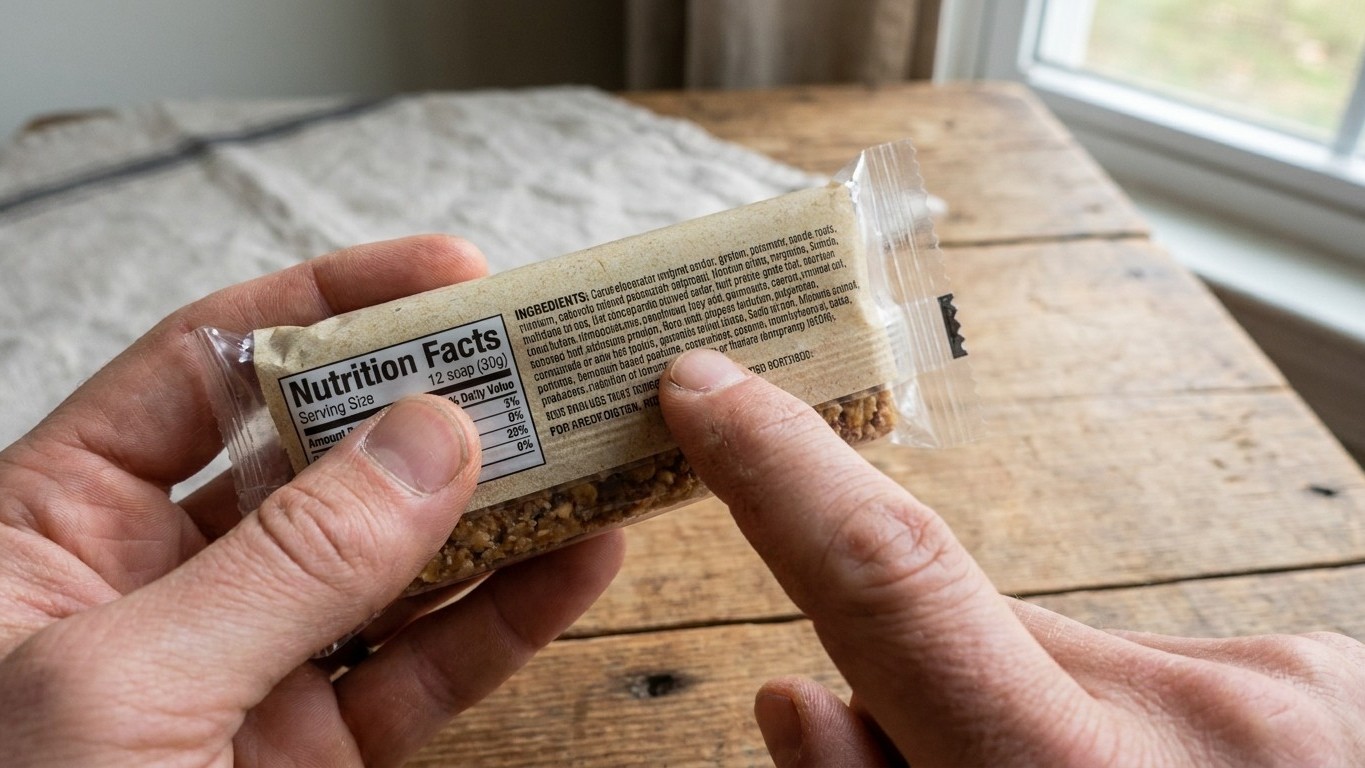
« I thought it was just there for the texture »: why carboxymethylcellulose and polysorbate 80 keep turning up in products...

“Gut-friendly” protein bars and clean-label yogurts contain two industrial emulsifiers linked to microbiome damage and intestinal inflammation. Research shows these additives are hiding in products marketed as nutritional upgrades, raising uncomfortable questions about what “healthy” really means on a label.

Why kitchen ant trails return after daily spraying

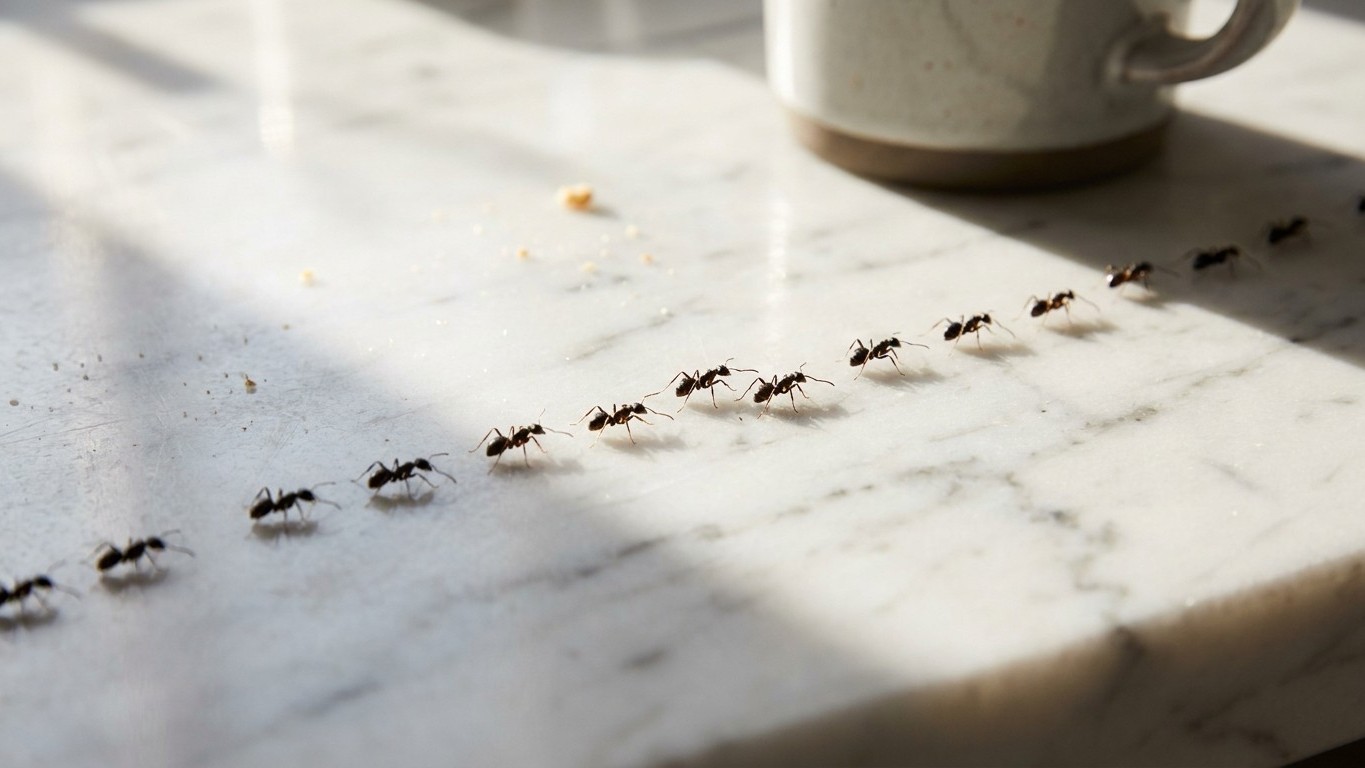
I sprayed the ant trail on my kitchen counter every morning for weeks: an exterminator showed me I wasn't touching the rea...

For weeks, I sprayed the ant trail on my kitchen counter every morning—only to watch them return by sunrise. An exterminator’s first words stopped me cold: the ants I was killing weren’t the real problem. They were just messengers, and my spray sessions may have actually made things worse.

Why raw potatoes need boiling before oven roasting

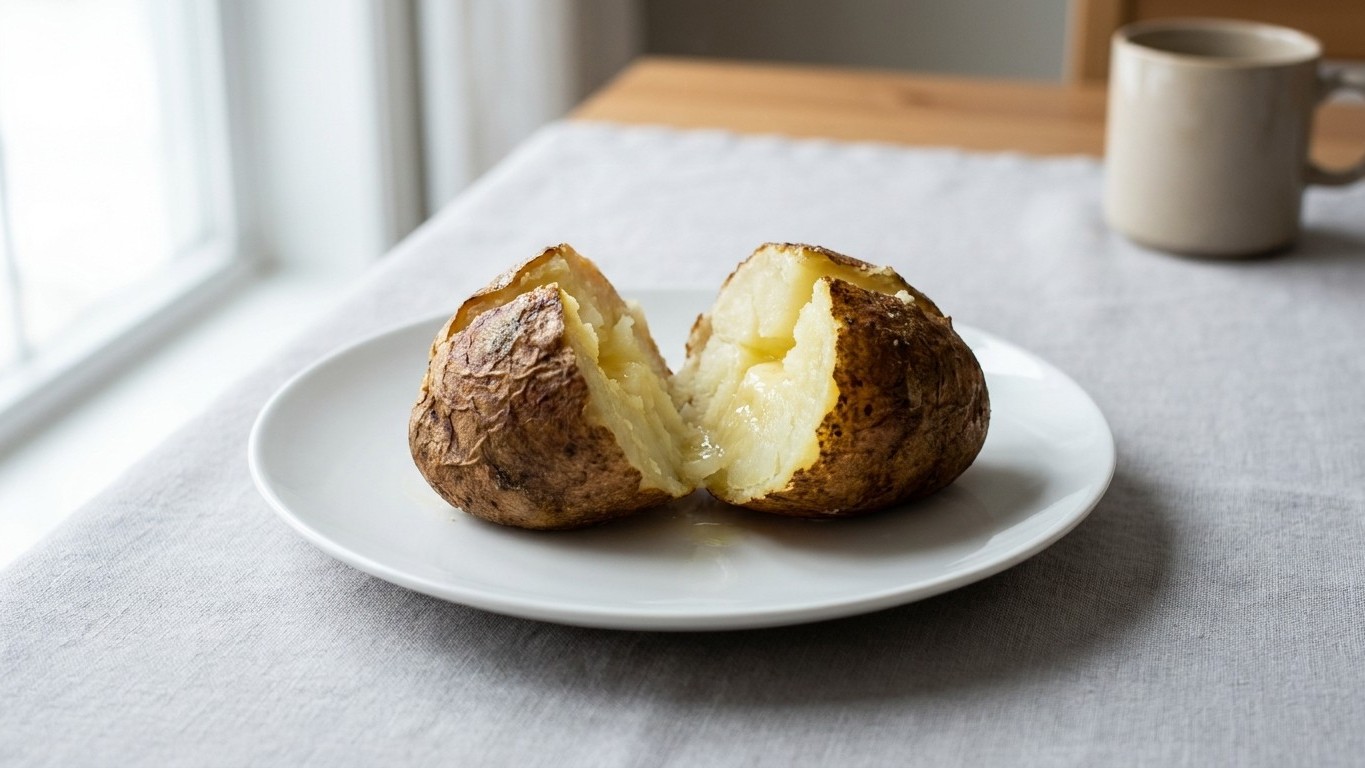
I threw my potatoes straight into the oven raw just to save time: when I pulled out the tray, I understood what the boilin...

After throwing raw potatoes into a 425-degree oven, I pulled out a tray of pale, rock-hard disappointment. Turns out the boiling water step wasn’t a suggestion—it’s doing essential chemistry that raw potatoes can’t replicate. Here’s what I learned about the starch secret that separates crispy perfection from culinary failure.

Why wildfire smoke particles can slip into your alveoli despite masks

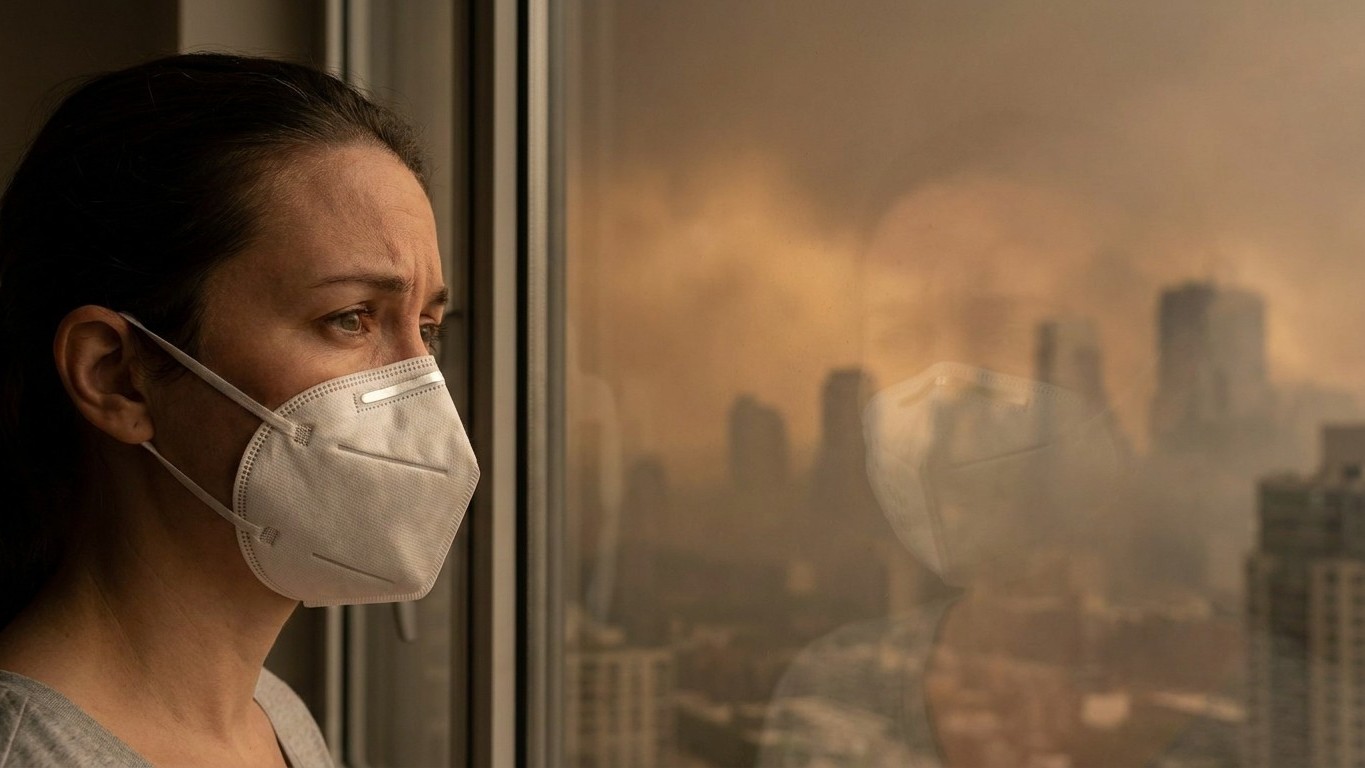
« I thought any mask was better than nothing »: why wildfire smoke particles slip straight into your alveoli

When wildfire smoke turned cities brown, most people grabbed whatever mask was nearby—a dangerous mistake. Wildfire particles are 28 times smaller than a human hair and slip past cotton masks with 91% efficiency. Only NIOSH-approved N95 respirators offer real protection.

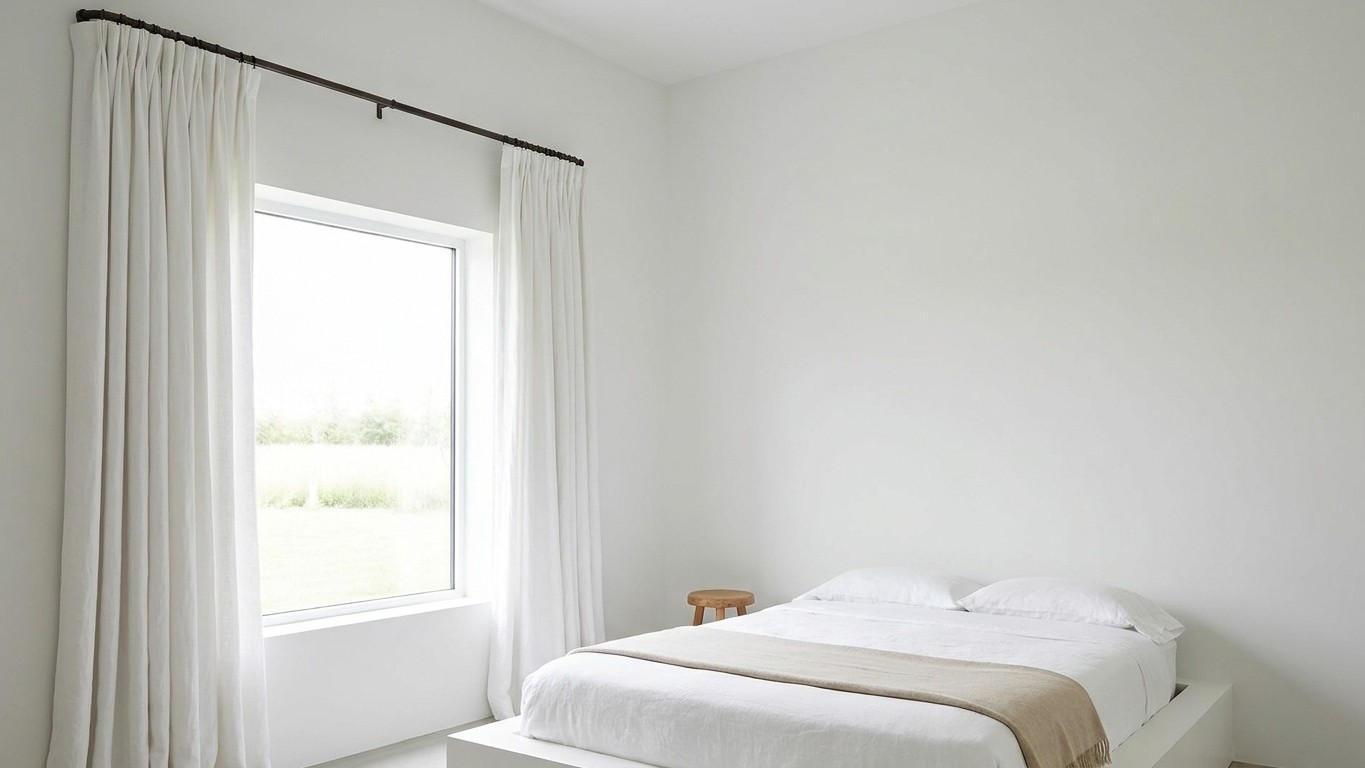
Why curtain rods should extend past the window to make a room look taller

We all insist on hanging the rod just above the window, when it's these 20 centimetres on each side that decide how tall t...

Most people hang curtain rods directly above windows, but interior designers know a different secret: those extra 20 centimetres of wall space on each side fundamentally change how a room feels. The placement of your rod—both width and height—creates optical illusions that make windows appear larger and ceilings feel higher.

Why rinsing raw chicken in the sink spreads bacteria

I rinsed my chicken under the tap for fifteen years just to clean it: the day someone swabbed my worktop, I understood wha...

For fifteen years, rinsing raw chicken seemed like basic kitchen hygiene—until a food safety consultant’s swab test revealed colonies of bacteria spread across the counter. The science is shocking: water doesn’t kill the bacteria that makes you sick; it launches them in an invisible mist up to three feet away.

Why a bedroom above 25°C is a warning for people over 65

'I thought I was just sleeping badly': why a bedroom that stays above 25 °C is a real warning for anyone over 65

That restless night you blamed on stress? For anyone over 65, a bedroom above 77°F may be silently triggering heart rate changes, sleep disruption, and increased stroke risk. New research reveals why the universal “keep it cool” advice fails aging bodies—and what temperature actually protects them.