Can Daily Medication Make Your Skin Sensitive to Sun?
Your Daily Pill Might Be Secretly Burning Your Skin: The Photosensitivity Crisis Nobody Talks About

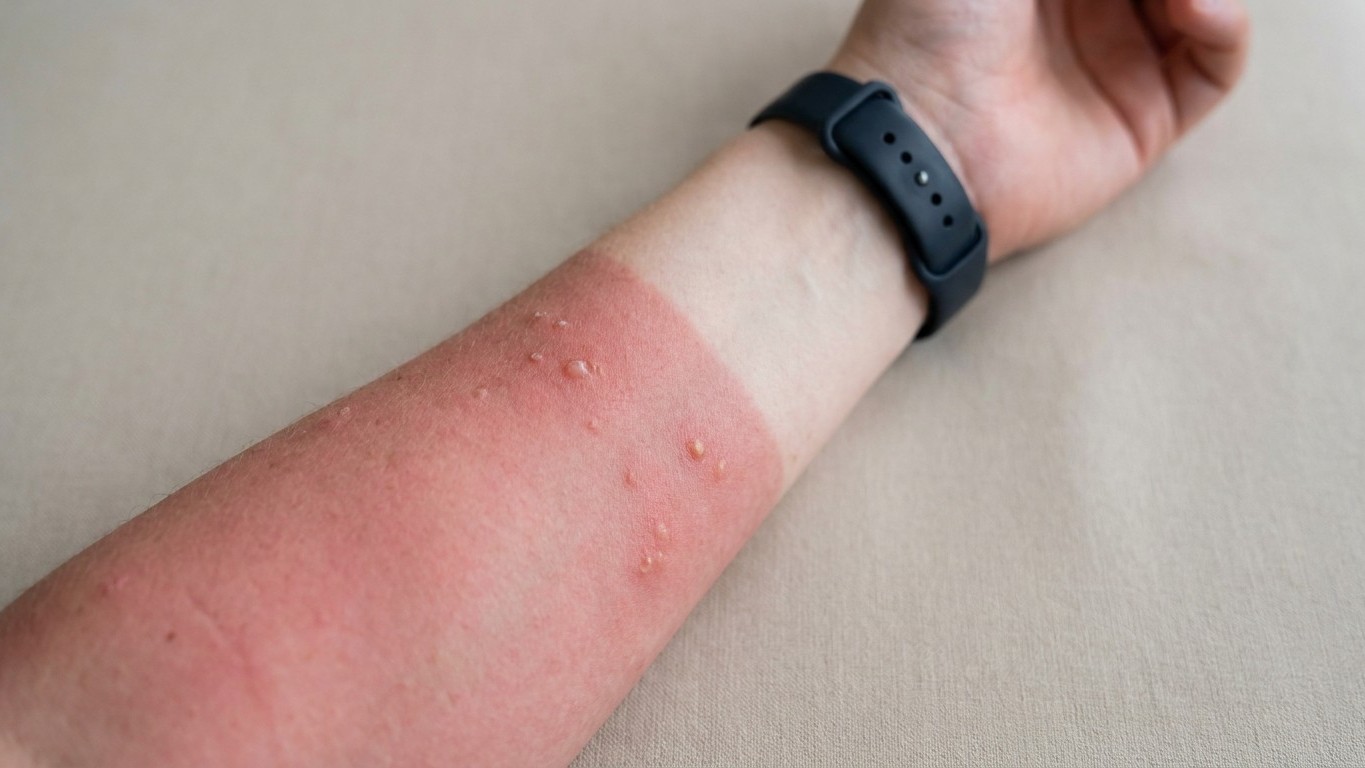
A casual walk in the sun left her with severe blistering—but sunscreen wasn’t the problem. Her daily medication was chemically altering her skin’s reaction to UV rays, a condition affecting millions of women taking everything from birth control to antibiotics. Here’s what dermatologists want you to know before it happens to you.
What Happens When You Wear Contact Lenses in a Pool

I Wore Contact Lenses to the Pool and My Optician Showed Me What Was Burrowing Into My Eye

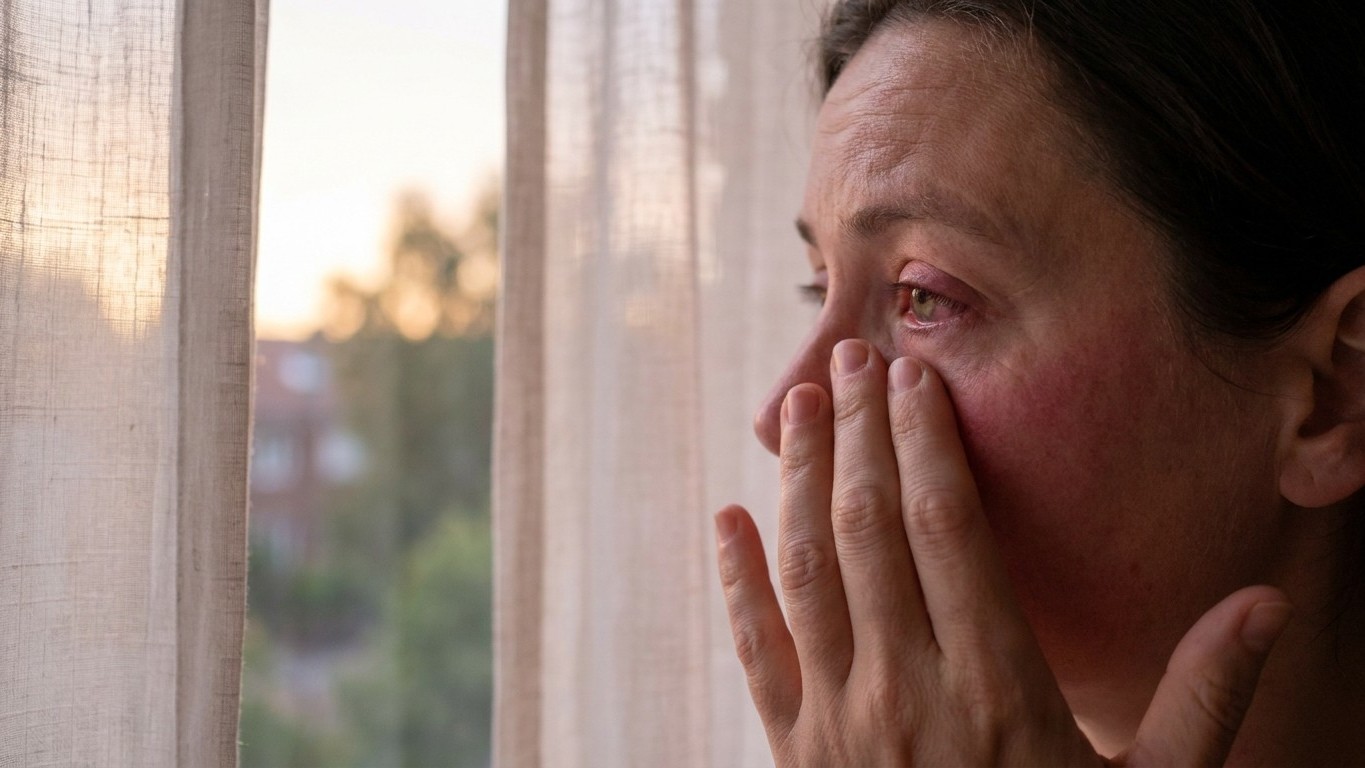
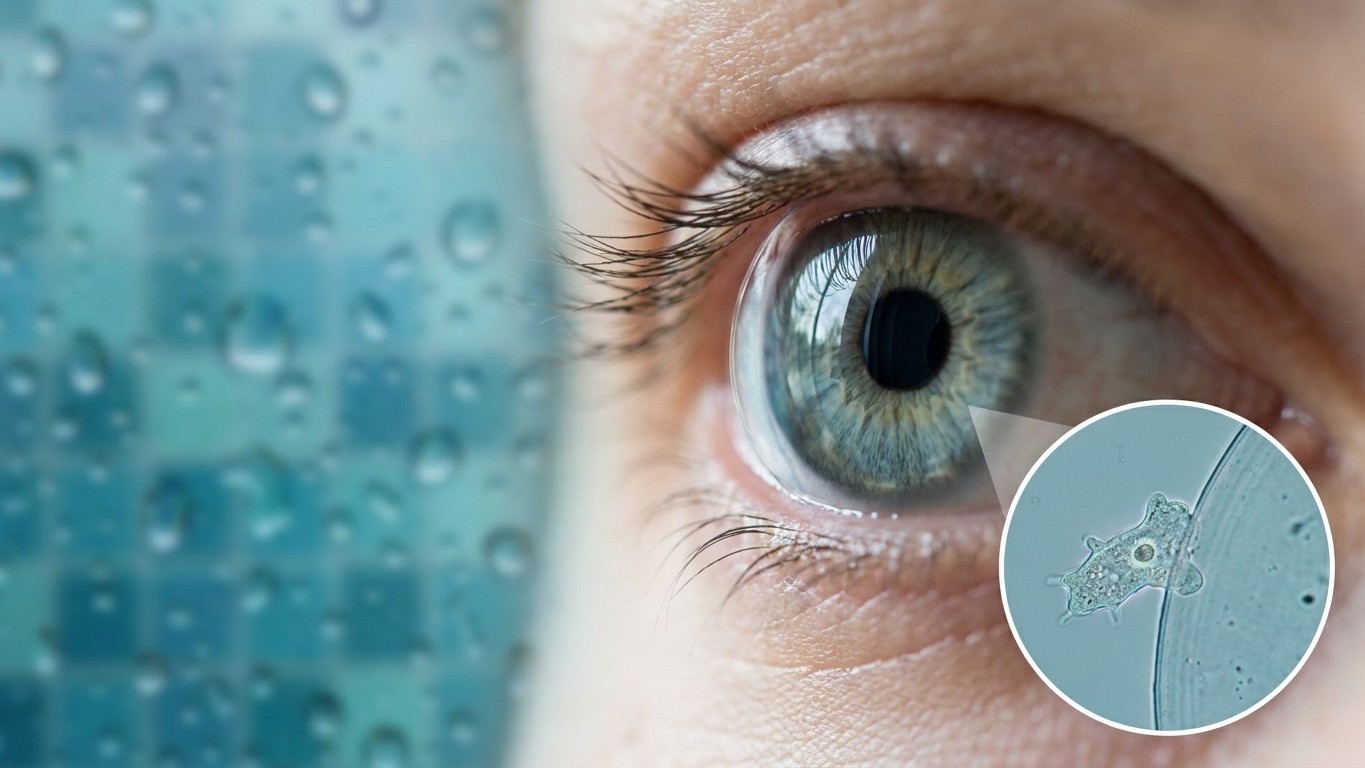
Millions of contact lens wearers swim without removing their lenses, assuming chlorine makes it safe. What they don’t know is that soft lenses act as a sponge for dangerous single-celled organisms that can burrow into your cornea, potentially causing permanent vision loss. One afternoon in the pool could trigger a year-long infection.

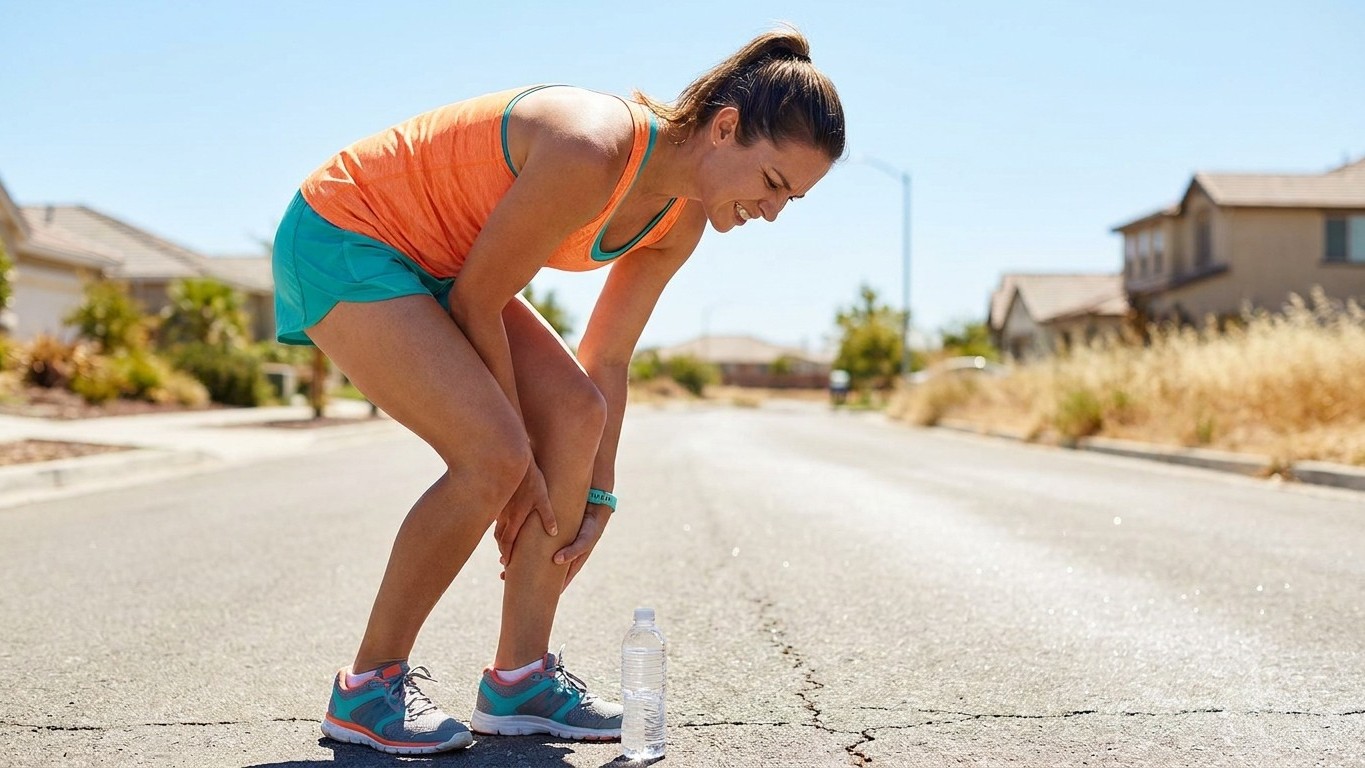
Can Drinking Ice Water Cause Cramps During a Run?

Why Ice Water Made Your Calves Seize Up Mid-Run: The Science Behind Exercise Cramps

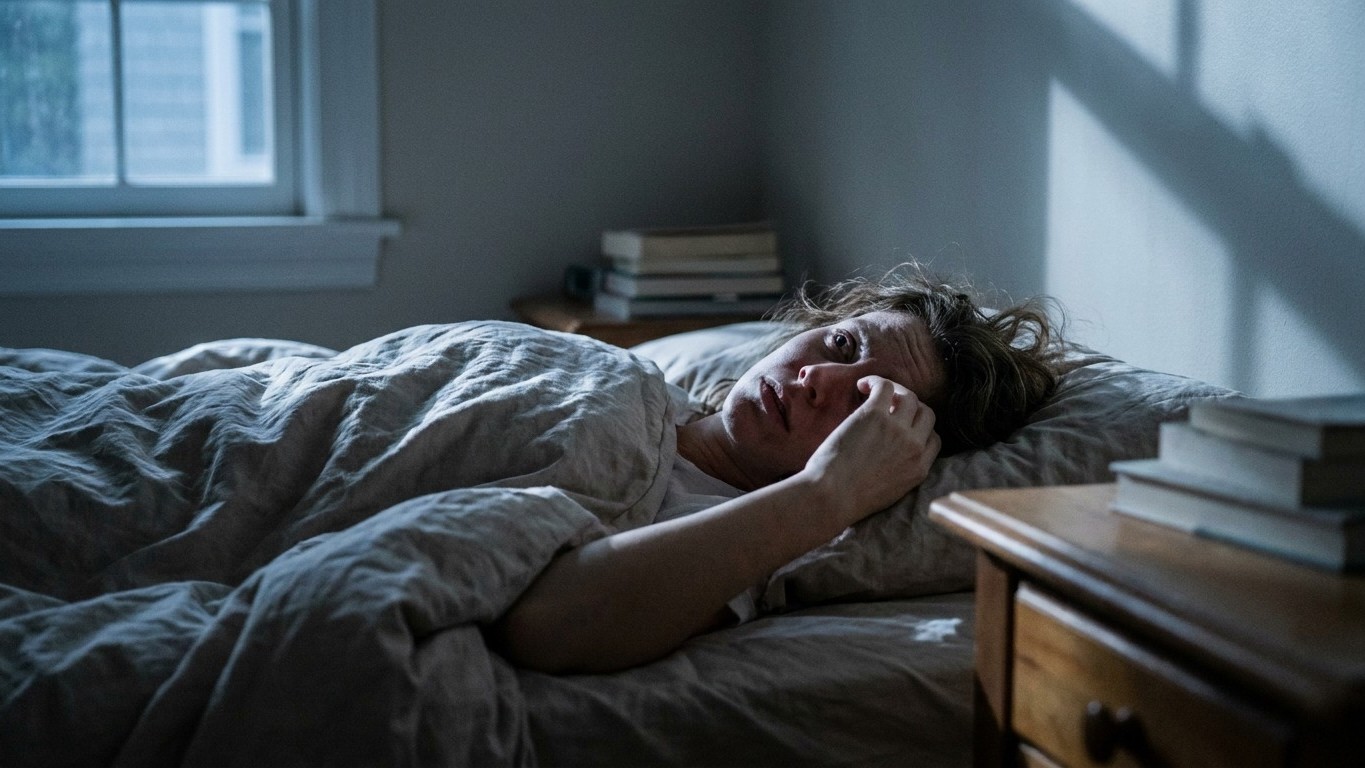
You thought ice water would save your overheating run. Instead, your calves locked up 20 minutes later. The culprit isn’t dehydration alone—it’s a cascade of electrolyte depletion, vasoconstriction, and nervous system dysfunction triggered by what seemed like the perfect hydration choice.

Slower Walking in Aging Parents: When Is It a Warning Sign?

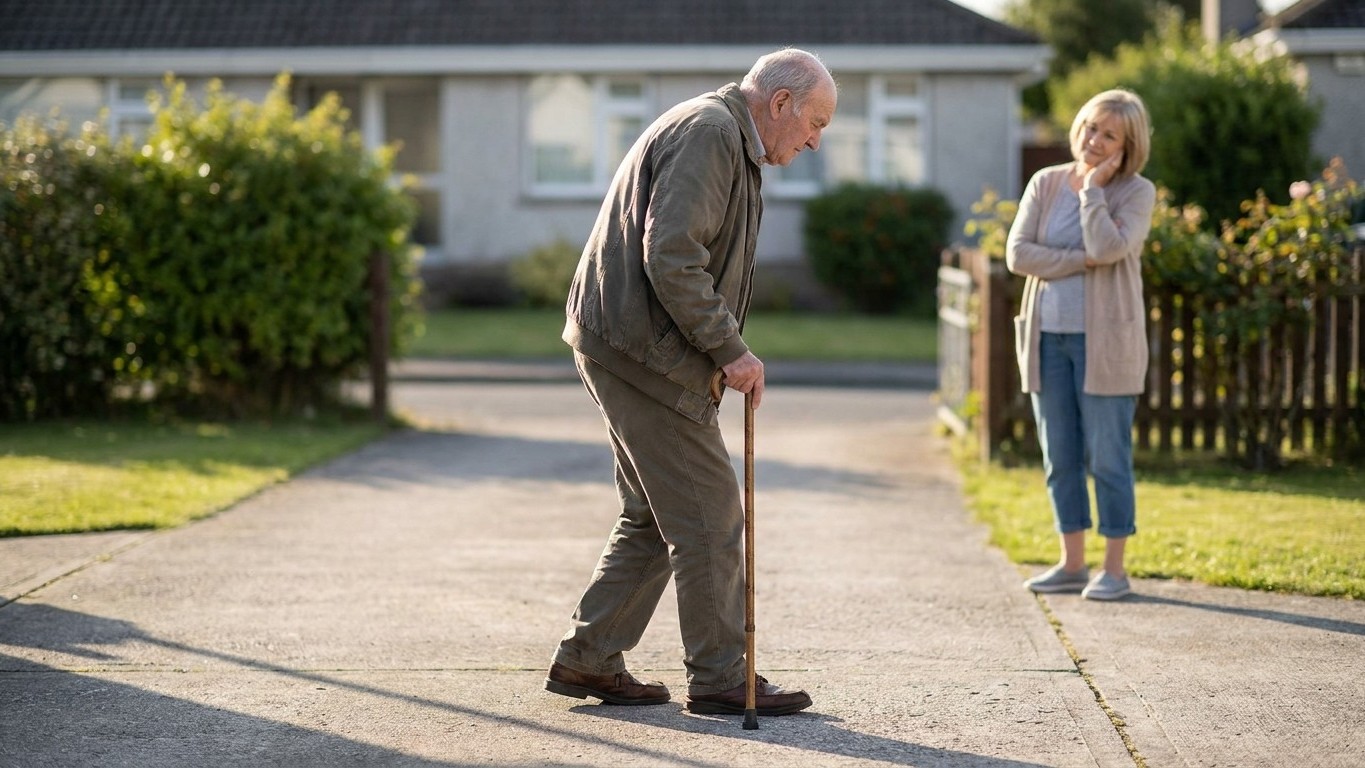
Why Your Aging Parent's Slower Walking Could Be a Medical Warning Sign—Not Just Age

A retired nurse’s single observation changed a family’s understanding of aging. Walking speed is now recognized as one of medicine’s most powerful health indicators—and a sudden slowdown could signal everything from Parkinson’s disease to reversible medication side effects. Here’s what every family should know.

Why Opening Windows in May Worsens Seasonal Allergies

Why Opening Your Windows in May Makes Your Allergies Worse—And When You Should Actually Do It

Opening your windows on May mornings seems healthy—until your eyes swell shut by noon. Your neighbor’s pollen count data reveals an uncomfortable truth: you’ve been timing it perfectly wrong. The early morning ‘fresh air’ you crave is actually peak allergen delivery.

Can Eating Eggs Before Coffee Reduce Afternoon Cravings?

Eat Eggs Before Coffee: Why Your 3 PM Sugar Cravings Disappear by Day Four

The 3 PM candy drawer call isn’t about willpower—it’s biochemistry. A simple two-week experiment reveals that eating eggs before coffee triggers a hormonal shift by day four that silences afternoon cravings entirely. Here’s the science behind why breakfast timing matters more than you think.

Are Flip-Flops Bad for Your Heels? What to Know

Your Flip-Flops Are Silently Destroying Your Heels—Here's Why

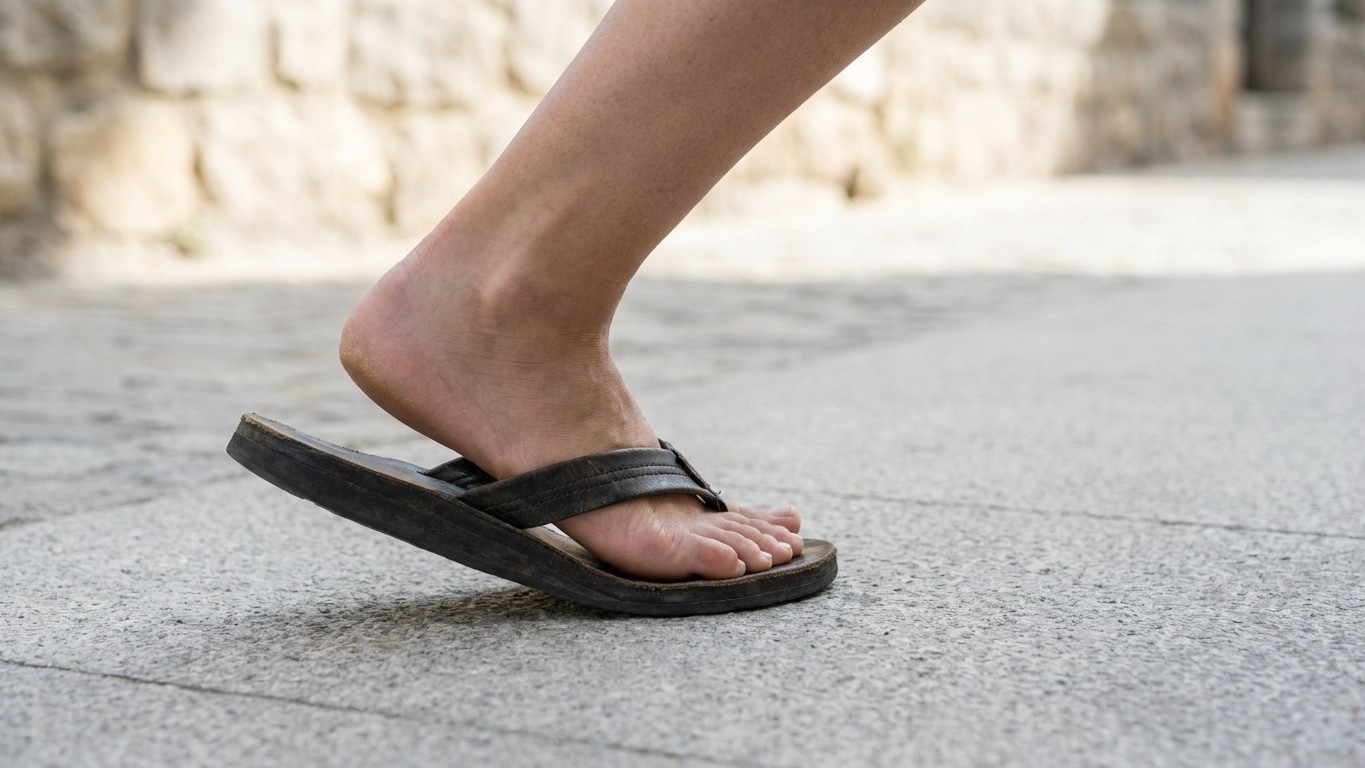
Every step in flip-flops triggers an invisible muscular reflex: your toes grip to keep the shoe from sliding off. Repeated thousands of times, this tiny action strains your plantar fascia and concentrates damage at your heel—often resulting in painful plantar fasciitis that strikes hardest each morning.

Why cardiologists avoid vegetable and canola oil

Why Your Kitchen's Go-To Cooking Oil Has Disappeared From Doctors' Counters

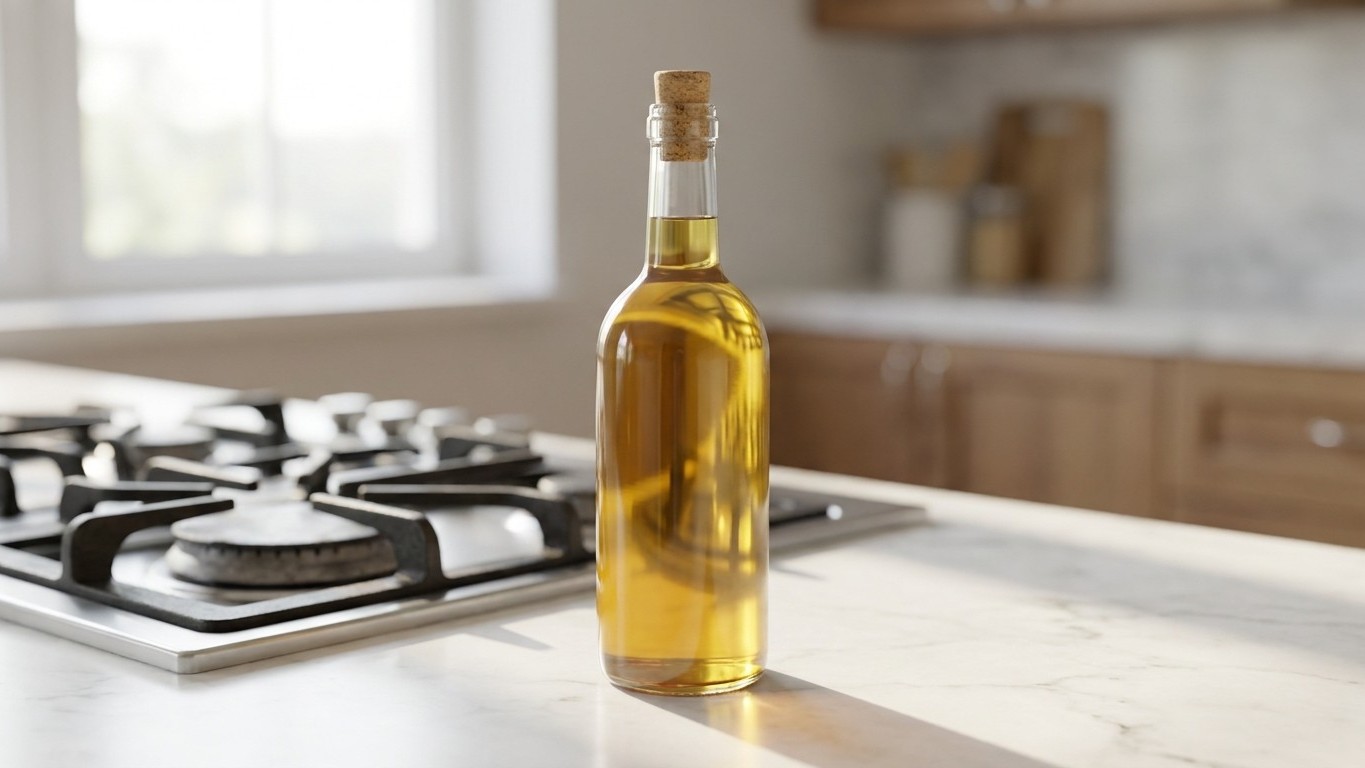
That bottle of vegetable oil in your kitchen has been quietly abandoned by the medical community—not because it’s poison, but because science has found something better. The viral wellness narrative about “toxic” seed oils doesn’t hold up to scrutiny, but that doesn’t mean your current oil choice is ideal.

Is reheated rice safe? The bacteria microwaves cannot kill

Why Reheated Rice Sent Me to the Bathroom All Night: The Bacteria Your Microwave Can't Kill

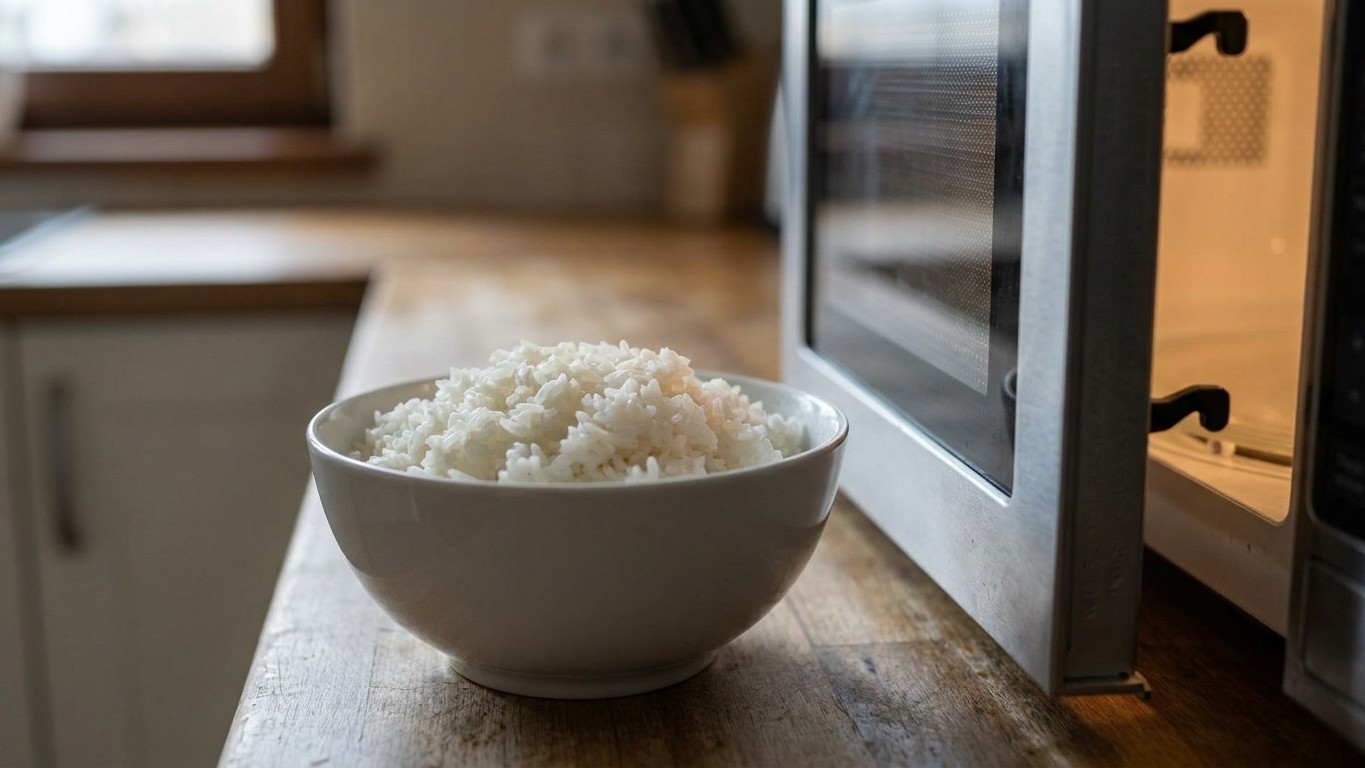
You reheat rice that looks and smells perfectly fine, but by evening you’re violently ill. The culprit isn’t bacteria—it’s heat-stable toxins produced by Bacillus cereus that your microwave can’t destroy. Here’s why this happens and how to prevent it.